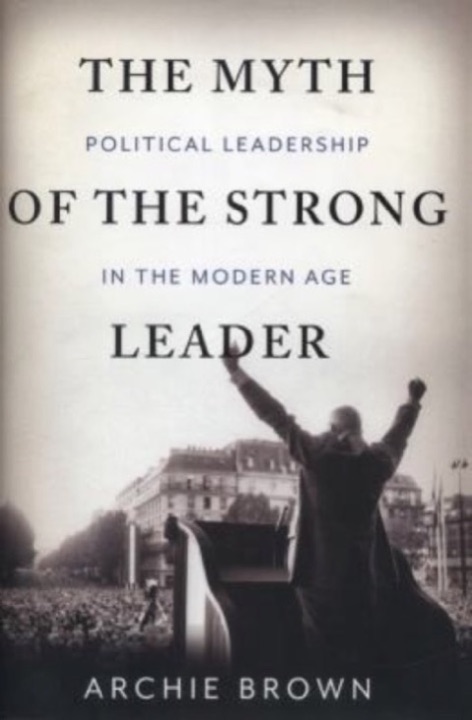
The Myth of the Strong Leader
Applying the lessons from "The Myth of the Strong Leader" by Archie Brown to your life involves embracing a more collaborative and context-aware approach to leadership and decision-making. Here are some ways you might integrate these insights:
-
Embrace Collaborative Leadership: - Given your emphasis on kindness and empathy, you can further enhance your leadership style by actively seeking input and collaboration from others. Encourage open dialogue and diverse perspectives in both your personal and professional life, whether it's in the emergency department or when making family decisions.
-
Value Context and Adaptability: - Recognize the importance of context in decision-making. Just as you adapt your approach in emergency situations, consider the broader context when making decisions in other areas of your life. This might involve understanding the unique dynamics of your family, workplace, or community before taking action.
-
Foster Strong Institutions and Systems: - Advocate for and support systems of checks and balances in your professional environment. This could mean promoting transparency and accountability in your workplace or supporting policies that ensure fair and equitable treatment for all.
-
Focus on Long-term Goals: - Align your actions with long-term visions and goals, both personally and professionally. This might involve setting sustainable goals for your family, career, or advocacy work, ensuring that your efforts contribute to lasting positive change.
-
Encourage Open Communication: - Given your direct and humorous communication style, continue to foster an environment where open communication is encouraged. This can help build trust and facilitate collaboration, whether you're working with colleagues, engaging in activism, or spending time with family.
-
Reflect on Leadership Qualities: - Regularly assess and reflect on the qualities that make you an effective leader. Consider how your strengths, such as resilience and humor, can be leveraged to inspire and motivate others, while also being mindful of areas for improvement, like impulsivity and balance.
-
Promote Equality and Acceptance: - Continue to champion social issues like equality and acceptance, drawing on your belief that everyone deserves a chance. Use your influence to advocate for policies and practices that promote inclusivity and fairness.
By integrating these lessons into your life, you can enhance your leadership effectiveness and contribute to more positive outcomes in your personal and professional endeavors.
What the book covers
"The Myth of the Strong Leader: Political Leadership in the Modern Age" by Archie Brown is a comprehensive examination of political leadership, challenging the conventional wisdom that strong, decisive leaders are the most effective. Brown, a renowned political scientist, argues that the qualities often associated with strong leadership—such as authoritarianism, decisiveness, and a top-down approach—are not necessarily conducive to good governance or successful outcomes.
Summary:
-
Introduction to Leadership Myths: - Brown begins by dissecting the popular notion of the "strong leader," often characterized by authoritarian control and unilateral decision-making. He argues that this perception is a myth and that such leaders are not always the most successful or beneficial for their countries.
-
Historical and Contemporary Examples: - The book provides a wide array of historical and contemporary examples, analyzing leaders from different political systems and eras. Brown examines figures like Margaret Thatcher, Winston Churchill, Franklin D. Roosevelt, and Mikhail Gorbachev, among others, to illustrate his points.
-
Types of Leadership: - Brown categorizes leadership into different types, such as transformational, transactional, and authoritative. He emphasizes that transformational leaders, who inspire and bring about significant change through collaboration and vision, are often more effective than those who rely on sheer power and control.
-
The Role of Context: - The author stresses the importance of context in determining the effectiveness of a leader. He argues that the political environment, institutional constraints, and cultural factors play crucial roles in shaping leadership success.
-
The Dangers of Concentrated Power: - Brown warns against the dangers of concentrated power, highlighting how it can lead to poor decision-making, corruption, and a lack of accountability. He suggests that systems with checks and balances tend to produce better outcomes.
-
Collaborative Leadership: - The book advocates for collaborative leadership, where power is shared, and decisions are made through consensus and consultation. Brown argues that this approach leads to more sustainable and effective governance.
-
Case Studies and Analysis: - Through detailed case studies, Brown illustrates how leaders who embraced collaboration and were open to advice and dissent often achieved more lasting and positive results than those who ruled with an iron fist.
Key Takeaways and Lessons:
- Rethink Leadership Qualities:
-
Effective leadership is not about being the strongest or most authoritarian but about being adaptable, collaborative, and open to diverse perspectives.
-
Importance of Institutions:
-
Strong institutions and systems of checks and balances are crucial for preventing the abuse of power and ensuring good governance.
-
Value of Collaboration:
-
Collaborative leadership, which involves sharing power and making decisions through consensus, often leads to better outcomes than unilateral decision-making.
-
Context Matters:
-
The effectiveness of a leader is heavily influenced by the political, cultural, and institutional context in which they operate.
-
Long-term Vision Over Short-term Gains:
- Leaders who focus on long-term goals and the greater good, rather than short-term political gains, tend to leave more positive legacies.
In conclusion, "The Myth of the Strong Leader" challenges readers to reconsider what makes a leader effective. By emphasizing the importance of collaboration, context, and institutional strength, Brown provides a nuanced perspective on political leadership that goes beyond the simplistic notion of strength equating to success.