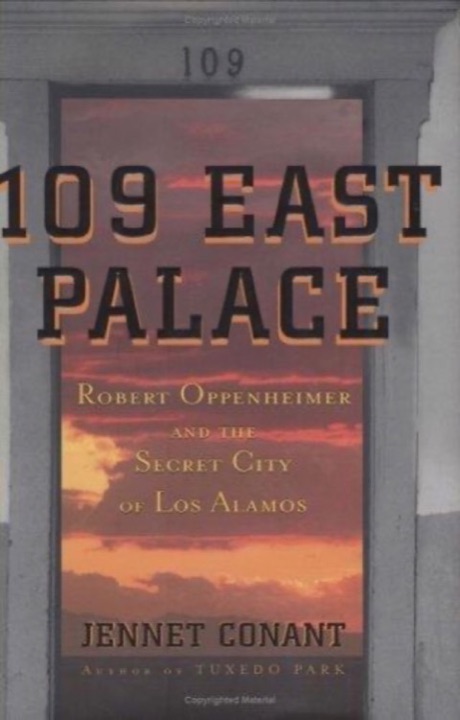
109 East Palace
"109 East Palace" by Jennet Conant offers several lessons that can be applied to your life, particularly in the context of your values, experiences, and aspirations. Here are some ways you might integrate these lessons:
-
Leadership and Vision: Like Oppenheimer, you can continue to harness your leadership skills by inspiring and coordinating diverse groups of people, whether in your professional life or personal endeavors. Your experiences in emergency situations and your ability to remain calm under pressure are valuable assets that align with the leadership qualities highlighted in the book.
-
Collaboration and Innovation: The Manhattan Project exemplifies the power of interdisciplinary collaboration. You can apply this lesson by seeking diverse perspectives and expertise in your pursuits, whether it's in your medical career, advocacy work, or personal projects. Embrace innovation and be open to new ideas that can enhance your work and personal growth.
-
Ethical Responsibility: The moral dilemmas faced by the scientists in the book resonate with your own ethical beliefs and the challenges you've encountered as a physician. Continue to prioritize kindness and empathy in your interactions, and maintain your commitment to ethical decision-making, especially in complex situations.
-
Impact of War on Society: The book highlights how significant events can drive technological advancements and pose moral questions. Reflect on how major cultural and social events have influenced your life and continue to advocate for positive change in areas you are passionate about, such as equality and civil rights.
-
Human Resilience and Adaptability: The resilience of the Los Alamos community mirrors your own resilience in the face of challenges, such as surviving plane crashes and overcoming personal setbacks. Use this resilience to pursue your aspirations, like skydiving or living in the moment, and to support others in their journeys.
-
Legacy and Impact: Consider the legacy you want to leave behind, as the book reflects on the impact of the Manhattan Project. Your desire to be remembered as someone who lived fully and was kind aligns with this theme. Continue to focus on making meaningful contributions to your family, community, and the world.
By applying these lessons, you can further enrich your life, strengthen your relationships, and continue to make a positive impact in the areas that matter most to you.
What the book covers
"109 East Palace: Robert Oppenheimer and the Secret City of Los Alamos" by Jennet Conant is a historical account that delves into the creation of the atomic bomb during World War II, focusing on the people and events surrounding the Manhattan Project. The book is named after the address in Santa Fe, New Mexico, where new arrivals for the project were processed before being taken to the secretive Los Alamos laboratory.
Summary:
-
Setting and Context: - The book is set during World War II, primarily in Los Alamos, New Mexico, where the Manhattan Project was headquartered. The project was a top-secret initiative by the United States to develop the first atomic bomb.
-
Key Figures: - J. Robert Oppenheimer: Often referred to as the "father of the atomic bomb," Oppenheimer was the scientific director of the Manhattan Project. The book explores his leadership, intellectual prowess, and the moral dilemmas he faced. - Dorothy McKibbin: Known as the "Gatekeeper to Los Alamos," McKibbin played a crucial role in managing the logistics and personnel arriving at 109 East Palace. Her perspective provides a unique view of the project's inner workings. - Other scientists and military personnel involved in the project are also highlighted, showcasing the diverse group of individuals who contributed to the development of the bomb.
-
Life at Los Alamos: - The book provides a vivid depiction of life in the isolated and secretive community of Los Alamos. It describes the challenges faced by scientists and their families, including issues of security, isolation, and the pressure of working on a project of such magnitude.
-
Scientific and Technical Challenges: - Conant details the scientific hurdles and breakthroughs that occurred during the development of the atomic bomb. The narrative explains complex scientific concepts in an accessible manner, highlighting the ingenuity and dedication of the scientists involved.
-
Moral and Ethical Dilemmas: - A significant theme in the book is the moral and ethical implications of creating a weapon of mass destruction. Oppenheimer and his colleagues grappled with the potential consequences of their work, especially after the bombings of Hiroshima and Nagasaki.
-
Impact and Legacy: - The book concludes with the aftermath of the bomb's creation and use, examining its impact on the world and the individuals involved. It reflects on the legacy of the Manhattan Project and its role in shaping modern history.
Key Takeaways and Lessons:
-
Leadership and Vision: Oppenheimer's leadership was crucial in bringing together a diverse group of scientists and managing a complex project under immense pressure. His ability to inspire and coordinate was a key factor in the project's success.
-
Collaboration and Innovation: The Manhattan Project exemplifies the power of collaboration and innovation. Scientists from various disciplines worked together to solve unprecedented challenges, demonstrating the importance of interdisciplinary approaches.
-
Ethical Responsibility: The book underscores the ethical responsibilities of scientists and leaders. The development of the atomic bomb serves as a reminder of the potential consequences of scientific advancements and the need for ethical considerations in decision-making.
-
Impact of War on Society: The narrative highlights how war can drive technological and scientific advancements, but also poses significant moral questions about the use of such technologies.
-
Human Resilience and Adaptability: The residents of Los Alamos adapted to a unique and challenging environment, showcasing human resilience and the ability to thrive under difficult circumstances.
Overall, "109 East Palace" provides a comprehensive and humanizing look at one of the most significant scientific endeavors of the 20th century, offering insights into the complexities of scientific innovation and its profound impact on the world.