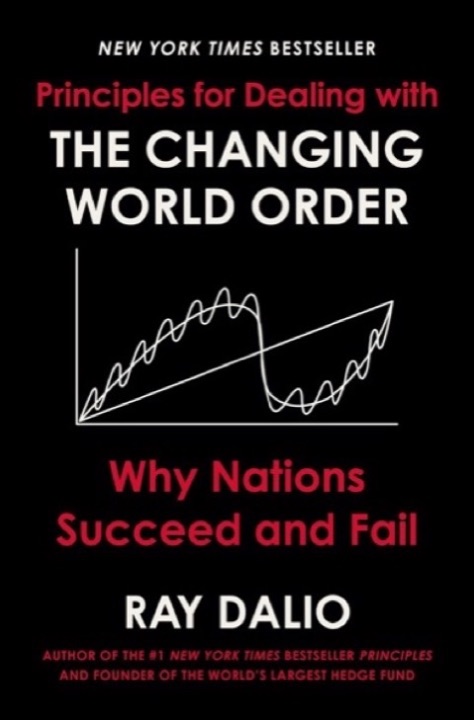
Principles for Dealing with the Changing World Order: Why Nations Succeed or Fail
Applying the lessons from Ray Dalio's "Principles for Dealing with the Changing World Order: Why Nations Succeed or Fail" to your life can be a valuable exercise in personal growth and strategic planning. Here are some ways you might integrate these principles into your life:
-
Understanding Personal Cycles: Just as nations experience cycles of rise, peak, and decline, individuals go through personal cycles. Reflect on your own life stages and recognize patterns that have led to success or challenges. Use this understanding to anticipate future changes and prepare accordingly.
-
Prioritizing Education and Innovation: Continue to invest in your personal education and foster innovation in your life. This could mean learning new skills, exploring new hobbies like skydiving, or staying informed about technological advancements that interest you.
-
Practicing Economic Prudence: Apply sound economic principles to your personal finances. This includes budgeting wisely, investing in diverse opportunities, and preparing for potential economic downturns.
-
Fostering Social Cohesion: Maintain and strengthen your relationships with family and friends. Your values of kindness and empathy align well with this principle, as they contribute to social harmony and support networks.
-
Being Adaptable: Embrace change and be willing to adapt to new circumstances. Whether it's a shift in your career, personal life, or the broader societal context, flexibility will help you navigate challenges and seize opportunities.
-
Building Global Cooperation: While this principle applies to nations, you can interpret it as building strong relationships and networks in your personal and professional life. Collaborate with others, share knowledge, and support mutual growth.
-
Preparing for Change: Just as nations prepare for shifts in the global order, you can prepare for changes in your life. This might involve setting goals, creating contingency plans, and being open to new experiences, such as your aspiration to live in the moment.
By integrating these principles into your life, you can enhance your resilience, adaptability, and overall well-being, much like the successful nations Dalio describes in his book.
What the book covers
"Principles for Dealing with the Changing World Order: Why Nations Succeed or Fail" by Ray Dalio is a comprehensive exploration of the historical patterns that have led to the rise and fall of nations. Dalio, a renowned investor and founder of Bridgewater Associates, uses his expertise in economics and history to analyze the factors that contribute to the success or failure of nations over time. Here is a thorough summary of the book, including key takeaways and lessons:
Summary:
Introduction:
Dalio begins by explaining his motivation for writing the book: to understand the underlying principles that govern the rise and fall of empires and nations. He emphasizes the importance of studying history to identify patterns that can help predict future trends.
Historical Cycles:
Dalio introduces the concept of historical cycles, which he refers to as the "Big Cycle." This cycle includes the rise, peak, and decline of nations and empires. He identifies several key phases within this cycle: 1. The Rise: Characterized by strong leadership, innovation, and economic growth. 2. The Top: A period of prosperity and dominance, often accompanied by complacency and increased debt. 3. The Decline: Marked by internal conflict, economic stagnation, and loss of global influence.
Determinants of Success and Failure:
Dalio outlines several factors that determine the success or failure of nations: - Education and Innovation: Nations that prioritize education and innovation tend to rise and maintain their status. - Economic Management: Effective economic policies and fiscal management are crucial for sustained growth. - Military Strength: A strong military can protect a nation's interests and deter external threats. - Internal Cohesion: Social and political stability are essential for long-term success. - External Environment: Global alliances and trade relationships can influence a nation's trajectory.
Case Studies:
Dalio examines historical case studies of major empires, including the Dutch, British, and American empires, to illustrate the Big Cycle. He also discusses the current geopolitical landscape, focusing on the United States and China, and the potential implications of their interactions.
The Changing World Order:
Dalio explores the current global order and the shifts that are occurring. He highlights the rise of China as a major global power and the challenges facing the United States. He discusses the potential for conflict and cooperation between these two nations and the impact on the global economy.
Key Takeaways and Lessons:
-
Understanding Cycles: Recognizing the patterns of rise and decline can help nations and individuals make informed decisions about the future.
-
Importance of Education and Innovation: Investing in education and fostering innovation are critical for maintaining a competitive edge.
-
Economic Prudence: Sound economic policies and fiscal responsibility are essential for long-term stability and growth.
-
Social Cohesion: Maintaining internal harmony and addressing social inequalities can prevent internal conflicts and contribute to national success.
-
Adaptability: Nations must be adaptable and willing to change in response to shifting global dynamics.
-
Global Cooperation: Building strong international relationships and alliances can enhance a nation's influence and security.
-
Preparation for Change: Individuals and nations should prepare for inevitable changes in the global order by diversifying investments and developing contingency plans.
Dalio's book serves as a guide for understanding the complex forces that shape the world and offers insights into how nations can navigate the challenges of the changing world order. By learning from history, Dalio believes that nations can better position themselves for future success.