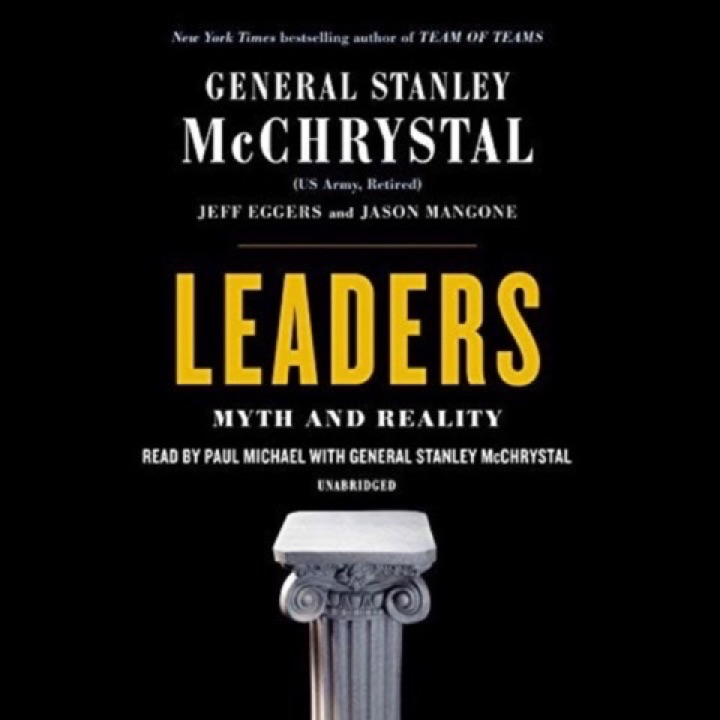
Leaders: Myth and Reality
Applying the lessons from "Leaders: Myth and Reality" to your life can be both insightful and transformative, given your rich experiences and personal philosophy. Here are some ways you might integrate the book's insights into your life:
-
Embrace Contextual Leadership: - Recognize that your leadership style may need to adapt depending on the situation. Whether you're in the emergency department, flying, or engaging in advocacy work, consider the unique context and adjust your approach to best fit the circumstances.
-
Challenge Leadership Myths: - Reflect on any preconceived notions you might have about leadership. Given your diverse experiences, you likely already appreciate the complexity of leadership, but continue to question and refine your understanding, especially in new or challenging situations.
-
Value Diverse Archetypes: - Appreciate the different leadership styles and archetypes around you. Whether interacting with colleagues, family, or friends, recognize the strengths each person brings to the table and how they complement your own leadership style.
-
Engage with Followers: - Given your emphasis on kindness and empathy, continue to build strong relationships with those around you. Inspire and mobilize others by understanding their needs and fostering a supportive environment.
-
Commit to Continuous Learning: - As a lifelong learner, keep seeking new knowledge and experiences. Whether through reading, traveling, or engaging in new activities like skydiving, embrace opportunities for growth and development.
-
Cultivate Adaptability and Resilience: - Your resilience is already a strength, but continue to hone your adaptability. In times of change or adversity, draw on your past experiences and remain open to new strategies and solutions.
-
Reflect on Personal Growth: - Use the book's insights to evaluate your personal growth journey. Consider how your experiences, values, and beliefs have shaped your leadership style and how you can continue to evolve.
-
Leverage Your Superpower: - Your persistence is a powerful asset. Use it to drive positive change in areas you're passionate about, such as social issues and advocacy work.
By integrating these lessons into your life, you can enhance your leadership effectiveness and continue to make a meaningful impact in your personal and professional endeavors.
What the book covers
"Leaders: Myth and Reality" by General Stanley McChrystal, Jeff Eggers, and Jay Mangone is a comprehensive exploration of leadership through the lens of historical and contemporary figures. The book challenges conventional wisdom about what makes an effective leader by examining the myths and realities surrounding leadership.
Summary:
The authors structure the book around a series of biographical sketches of leaders from various fields, including politics, business, sports, and the military. Each leader is categorized into one of thirteen archetypes, such as the "Hero," "Genius," or "Power Broker." This approach allows the authors to dissect the different dimensions of leadership and how these figures either conformed to or defied traditional leadership expectations.
Key Sections:
-
Introduction to Leadership Myths: - The book begins by debunking common myths about leadership, such as the idea that leaders are born with innate qualities or that they always possess a clear vision. The authors argue that these myths oversimplify the complex nature of leadership.
-
Archetypes of Leadership: - Each chapter focuses on a different archetype, providing detailed accounts of leaders who exemplify these roles. For example, the "Hero" archetype might include figures like Winston Churchill, while the "Genius" could feature Albert Einstein.
-
Case Studies: - The authors provide in-depth case studies of leaders like Martin Luther King Jr., Margaret Thatcher, and Coco Chanel. These studies highlight how each leader navigated challenges and leveraged their unique strengths and weaknesses.
-
Leadership in Context: - The book emphasizes the importance of context in leadership. It argues that effective leadership is not just about individual traits but also about understanding and adapting to the environment and circumstances.
-
The Role of Followers: - A significant portion of the book is dedicated to the relationship between leaders and followers. The authors suggest that followers play a crucial role in shaping leadership and that effective leaders are those who can inspire and mobilize their followers.
Key Takeaways and Lessons:
-
Leadership is Contextual: - There is no one-size-fits-all model for leadership. Effective leaders understand the context in which they operate and adapt their strategies accordingly.
-
Myths Can Be Misleading: - Common leadership myths can obscure the true nature of leadership. It's important to question these myths and focus on the realities of leadership dynamics.
-
Diverse Archetypes: - Leadership comes in many forms, and different situations may require different types of leaders. Recognizing and valuing diverse leadership styles can enhance organizational effectiveness.
-
The Importance of Followers: - Leadership is a two-way street. Successful leaders engage with their followers, understand their needs, and build strong relationships.
-
Continuous Learning: - Effective leaders are lifelong learners who constantly seek to improve themselves and their understanding of the world around them.
-
Adaptability and Resilience: - The ability to adapt to changing circumstances and bounce back from setbacks is crucial for sustained leadership success.
In conclusion, "Leaders: Myth and Reality" offers a nuanced view of leadership that challenges traditional notions and emphasizes the complexity and variability of effective leadership. The book encourages readers to rethink what it means to lead and to appreciate the diverse ways in which leadership can manifest.