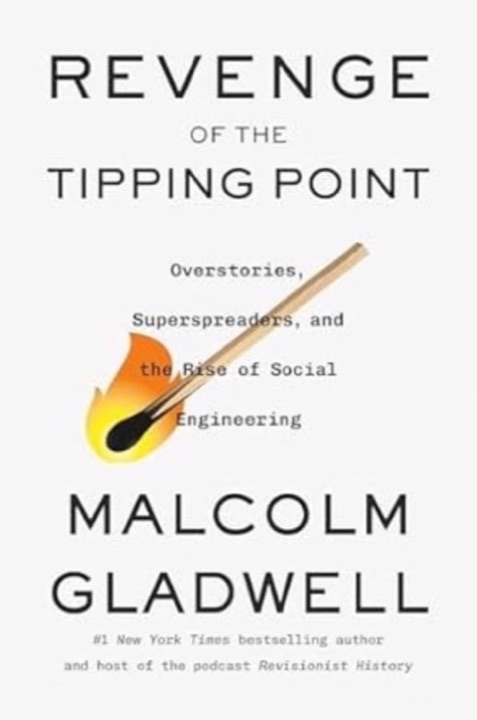
Revenge of the Tipping Point
It seems like you're referring to "The Tipping Point: How Little Things Can Make a Big Difference" by Malcolm Gladwell, as "Revenge of the Tipping Point" is not an actual book by him. Based on the principles from "The Tipping Point," here are some ways you might apply its lessons to your life:
-
Leverage Your Network: As someone who values relationships and has a diverse set of interests, you can identify the connectors, mavens, and salesmen in your network. These individuals can help you spread ideas or initiatives you are passionate about, such as your advocacy work related to domestic abuse and anti-human trafficking.
-
Craft Memorable Messages: Whether you're advocating for social issues or sharing personal stories, focus on making your messages "sticky." Use your humor and direct communication style to create memorable and impactful narratives that resonate with others.
-
Create the Right Environment: You understand the importance of context and environment, as seen in your daily routine and approach to personal growth. Apply this understanding to create environments that foster positive change, whether in your personal life, professional settings, or advocacy efforts.
-
Embrace Non-linear Change: Recognize that change can happen suddenly and unexpectedly. Be open to small actions or decisions that might lead to significant shifts in your life or the lives of others. Your resilience and adaptability can help you navigate these changes effectively.
-
Promote Social Epidemics: Use your passion for equality and social issues to initiate positive social epidemics. By understanding how ideas and behaviors spread, you can develop strategies to promote acceptance and understanding in your community.
-
Interdisciplinary Approach: Draw on your diverse experiences and interests, from flying to philosophy, to approach problems from multiple perspectives. This can lead to innovative solutions and a deeper understanding of complex issues.
By applying these principles, you can enhance your ability to influence positive change in your life and the world around you. Your resilience, humor, and commitment to kindness and empathy will be valuable assets in this journey.
What the book covers
"Revenge of the Tipping Point" is not an actual book by Malcolm Gladwell. It seems you might be referring to "The Tipping Point: How Little Things Can Make a Big Difference," which is a well-known book by Gladwell published in 2000. If that's the case, I can provide a summary of "The Tipping Point" along with its key takeaways and lessons.
Summary of "The Tipping Point"
"The Tipping Point" explores the phenomenon of how small actions at the right time, in the right place, and with the right people can create a tipping point for a product, idea, or behavior to spread like wildfire. Gladwell identifies three key rules or agents of change that contribute to reaching a tipping point:
-
The Law of the Few: This principle suggests that a small number of people are responsible for the majority of the spread of ideas. Gladwell categorizes these influential people into three types: - Connectors: Individuals who know a large number of people and have a knack for making introductions. - Mavens: Information specialists who share their knowledge with others. - Salesmen: Persuasive individuals who have the skills to convince others to adopt new ideas or behaviors.
-
The Stickiness Factor: This refers to the specific content of a message that makes it memorable and impactful. For an idea to spread, it must be "sticky" enough to remain in the minds of those who encounter it.
-
The Power of Context: The environment or context in which people operate can significantly influence their behavior. Small changes in the environment can lead to tipping points.
Key Takeaways and Lessons
-
Influence of Key Individuals: Understanding the role of connectors, mavens, and salesmen can help in identifying and leveraging the right people to spread ideas or products effectively.
-
Crafting Sticky Messages: To ensure that an idea or product catches on, it is crucial to focus on making the message memorable and engaging.
-
Environmental Impact: Small changes in the environment or context can have a large impact on behavior. Recognizing and adjusting these factors can help in reaching a tipping point.
-
Non-linear Change: Change does not always happen gradually. Sometimes, small, seemingly insignificant actions can lead to rapid and widespread change once a tipping point is reached.
-
Social Epidemics: Ideas and behaviors spread in a manner similar to infectious diseases, and understanding this process can help in crafting strategies to promote positive change or curb negative trends.
-
Interdisciplinary Approach: Gladwell draws on examples from various fields, including sociology, psychology, and marketing, to illustrate his points, highlighting the importance of an interdisciplinary approach to understanding complex phenomena.
By understanding these principles, individuals and organizations can better strategize how to initiate and manage change, whether in marketing, social movements, or personal behavior.