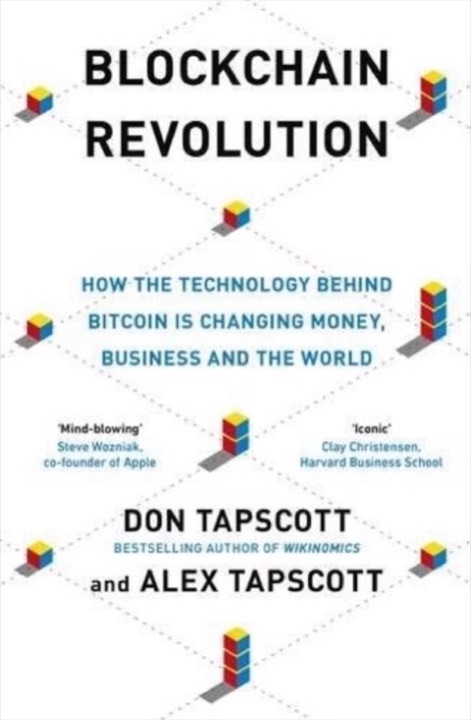
Blockchain Revolution: How the Technology Behind Bitcoin and Other Cryptocurrencies Is Changing the World
Given your background, interests, and values, there are several ways you might apply the lessons from "Blockchain Revolution" to your life:
-
Embrace Decentralization and Empowerment: - As someone who values autonomy and empowerment, you can explore how blockchain technology might offer new ways to manage personal data and assets. Consider how decentralization could enhance your control over your digital footprint and financial transactions.
-
Innovate in Your Field: - With your medical background, think about how blockchain could transform healthcare, such as improving patient data security, streamlining administrative processes, or enhancing transparency in medical supply chains. You could advocate for or participate in initiatives that leverage blockchain to improve healthcare outcomes.
-
Advocate for Trust and Transparency: - Given your passion for social issues and equality, you might support blockchain projects that aim to increase transparency and reduce corruption in areas like government or charitable organizations. This aligns with your values of kindness and empathy by promoting fairness and accountability.
-
Explore Smart Contracts: - Your interest in efficiency and innovation could lead you to explore smart contracts, which automate agreements and transactions. This could be particularly useful in your personal or professional life, streamlining processes and reducing the need for intermediaries.
-
Stay Informed and Educate Others: - As a lifelong learner, you can continue to educate yourself about blockchain technology and its potential impacts. Share this knowledge with others, fostering awareness and understanding of how blockchain can drive positive change.
-
Engage in Thoughtful Regulation and Collaboration: - With your forward-thinking approach to technology, consider engaging in discussions about the ethical and regulatory aspects of blockchain. Collaborate with others to ensure that the technology is used responsibly and benefits society as a whole.
-
Leverage Blockchain for Advocacy: - Use blockchain's transparency and traceability features to support your advocacy work in areas like anti-human trafficking. Blockchain can help track and verify the authenticity of goods and services, potentially reducing exploitation and fraud.
By integrating these lessons into your life, you can harness the transformative potential of blockchain technology to align with your values and aspirations, driving innovation and positive change in areas that matter to you.
What the book covers
"Blockchain Revolution: How the Technology Behind Bitcoin and Other Cryptocurrencies Is Changing the World" by Don Tapscott and Alex Tapscott is a comprehensive exploration of blockchain technology and its potential to transform various industries. The authors, a father-son duo, delve into the intricacies of blockchain, explaining its origins, mechanics, and the wide-ranging implications it holds for the future.
Summary:
-
Introduction to Blockchain: - The book begins by explaining blockchain as a decentralized, distributed ledger technology that underpins cryptocurrencies like Bitcoin. It emphasizes the transparency, security, and efficiency blockchain offers by eliminating the need for intermediaries.
-
The Mechanics of Blockchain: - The authors break down how blockchain works, including the concepts of blocks, chains, and consensus mechanisms like proof of work and proof of stake. They highlight the importance of cryptography in ensuring the integrity and security of data on the blockchain.
-
Beyond Cryptocurrencies: - While Bitcoin is the most well-known application, the book explores how blockchain can be applied beyond cryptocurrencies. It discusses potential uses in various sectors such as finance, healthcare, supply chain, and government.
-
Decentralization and Trust: - A key theme is the shift from centralized systems to decentralized networks, which can democratize data and empower individuals. Blockchain is portrayed as a trust protocol that can reduce fraud and corruption.
-
Smart Contracts and Decentralized Applications: - The authors introduce smart contracts, self-executing contracts with the terms of the agreement directly written into code. They discuss how these can automate and streamline processes in various industries.
-
Challenges and Risks: - The book does not shy away from addressing the challenges blockchain faces, such as scalability, energy consumption, regulatory hurdles, and the potential for misuse. It stresses the need for innovation and adaptation to overcome these obstacles.
-
Case Studies and Real-World Applications: - Throughout the book, numerous case studies illustrate how blockchain is being implemented in real-world scenarios. Examples include its use in improving supply chain transparency, enhancing financial services, and enabling secure digital identities.
-
The Future of Blockchain: - The authors speculate on the future trajectory of blockchain technology, envisioning a world where it plays a foundational role in the digital economy. They discuss the potential for blockchain to drive innovation and create new economic models.
Key Takeaways and Lessons:
-
Empowerment through Decentralization: Blockchain has the potential to redistribute power from centralized institutions to individuals, fostering greater autonomy and control over personal data and assets.
-
Trust and Transparency: By providing a transparent and immutable record of transactions, blockchain can enhance trust and reduce the need for intermediaries, leading to more efficient and cost-effective systems.
-
Innovation and Disruption: Blockchain is a disruptive technology that can drive innovation across various sectors. Organizations must be willing to adapt and explore new business models to leverage its full potential.
-
Collaboration and Regulation: For blockchain to achieve widespread adoption, collaboration between stakeholders, including governments, businesses, and technologists, is essential. Thoughtful regulation is necessary to address challenges and ensure security and compliance.
-
Education and Awareness: As blockchain technology continues to evolve, ongoing education and awareness are crucial for individuals and organizations to understand its implications and opportunities.
Overall, "Blockchain Revolution" provides a thorough examination of blockchain technology, highlighting its transformative potential while acknowledging the challenges that lie ahead. The book serves as both an introduction for newcomers and a detailed analysis for those familiar with the technology, offering insights into how blockchain could reshape the world.