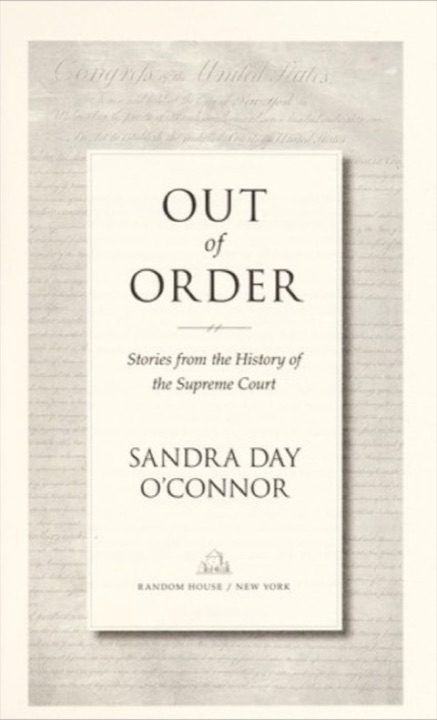
Out of Order
Applying the lessons from "Out of Order" by Sandra Day O'Connor to your life can be a meaningful exercise, especially given your rich personal experiences and values. Here are some ways you might integrate the book's insights into your life:
-
Judicial Independence and Personal Integrity: Just as O'Connor emphasizes the importance of judicial independence, you can continue to uphold your personal integrity and independence in your decisions. This aligns with your belief in kindness and empathy, ensuring that your actions remain true to your core values, free from external pressures or influences.
-
Role of Precedent and Learning from Experience: The book highlights the significance of precedent in decision-making. You can apply this by reflecting on your past experiences, both successes and failures, to guide your future actions. Your resilience and ability to learn from failures are already strong, and this approach can further reinforce your growth.
-
Adaptability and Change: O'Connor discusses the Court's adaptability to societal changes. You can embrace this lesson by remaining open to change and innovation in your personal and professional life. Your forward-thinking attitude towards technology and societal progress can help you navigate and contribute positively to evolving circumstances.
-
Human Element of Justice and Empathy: The book humanizes the justices, reminding us of the importance of empathy. Your commitment to kindness and understanding that everyone is fighting their own battles aligns with this lesson. Continue to approach interactions with empathy, recognizing the diverse perspectives and experiences of others.
-
Civic Education and Advocacy: O'Connor's emphasis on civic education can inspire you to continue your advocacy work in areas like equality and anti-human trafficking. Sharing your knowledge and experiences can help educate others about the importance of these issues and the role they play in a just society.
-
Balancing Tradition and Innovation: The book explores the balance between tradition and change within the Court. You can apply this by honoring the traditions and values that have shaped you while remaining open to new ideas and experiences, such as your aspiration to live in the moment and try new activities like skydiving.
By integrating these lessons into your life, you can continue to grow as an individual who values integrity, empathy, and progress, while also contributing positively to the world around you.
What the book covers
"Out of Order: Stories from the History of the Supreme Court" by Sandra Day O'Connor is a compelling exploration of the United States Supreme Court, offering insights into its history, traditions, and the pivotal role it plays in American governance. As the first female justice on the Supreme Court, O'Connor provides a unique perspective, blending historical analysis with personal anecdotes.
Summary:
-
Historical Evolution: O'Connor traces the Supreme Court's development from its inception in 1789 to its current status as a cornerstone of American democracy. She highlights key moments and decisions that have shaped the Court's role and authority.
-
Landmark Cases: The book delves into several landmark cases, explaining their significance and impact on American law and society. O'Connor discusses how these decisions reflect the evolving interpretation of the Constitution.
-
Justices and Personalities: O'Connor offers insights into the lives and personalities of various justices, both past and present. She shares anecdotes and stories that humanize these figures, illustrating how their backgrounds and beliefs influenced their judicial philosophies.
-
Traditions and Procedures: The book provides a behind-the-scenes look at the Court's traditions and procedures, from the justices' conference discussions to the ceremonial aspects of the Court's operations. O'Connor explains how these traditions contribute to the Court's functioning and its public perception.
-
Challenges and Changes: O'Connor addresses the challenges the Court has faced, including issues of public perception, political pressure, and internal dynamics. She discusses how the Court has adapted to changes in society and technology while maintaining its core principles.
Key Takeaways and Lessons:
-
Importance of Judicial Independence: O'Connor emphasizes the necessity of maintaining the Court's independence from political influences to ensure fair and impartial justice.
-
Role of Precedent: The book highlights the importance of precedent in the Court's decision-making process, illustrating how past decisions guide future rulings and contribute to legal stability.
-
Adaptability and Change: O'Connor underscores the Court's ability to adapt to societal changes while upholding constitutional principles, demonstrating the dynamic nature of the law.
-
Human Element of Justice: Through personal stories and anecdotes, O'Connor reveals the human side of the justices, reminding readers that the Court's decisions are made by individuals with diverse perspectives and experiences.
-
Civic Education: The book serves as a reminder of the importance of civic education and understanding the judiciary's role in democracy, encouraging readers to appreciate the complexities and responsibilities of the Supreme Court.
Overall, "Out of Order" is both an informative and engaging read, offering a comprehensive look at the Supreme Court's history and its crucial role in shaping American law and society.