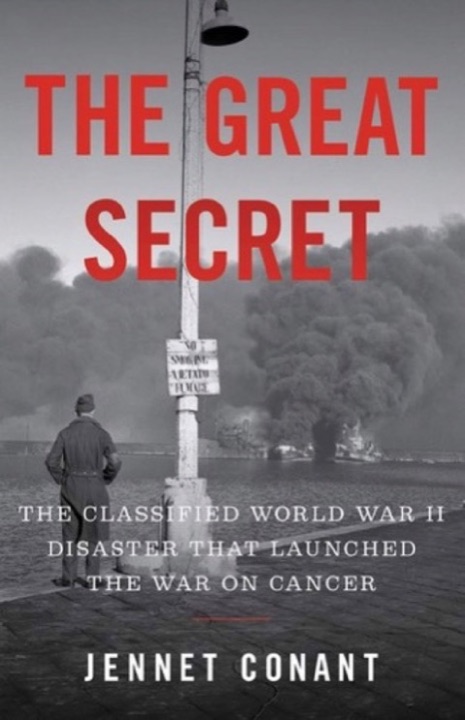
The Great Secret
Applying the lessons from "The Great Secret" by Jennet Conant to your life involves embracing the interconnectedness of different experiences and recognizing the potential for unexpected outcomes to lead to significant personal growth and contributions. Here are some ways you might integrate these lessons:
-
Embrace Interdisciplinary Connections: Just as the Bari disaster unexpectedly influenced cancer research, consider how your diverse interests and experiences—such as flying, medicine, and advocacy—can intersect to create unique opportunities for innovation and impact. Look for ways to combine your passions to contribute to fields you care about, like leveraging technology for societal betterment.
-
Value Serendipity in Discovery: Recognize that unexpected events, even those that seem negative at first, can lead to positive outcomes. Your experiences with near-death situations have reinforced your belief in having more to accomplish. Continue to view challenges as opportunities for growth and learning, and remain open to the unexpected paths they may lead you down.
-
Ethical Considerations and Transparency: The book highlights the importance of ethical decision-making and transparency. In your life, continue to prioritize kindness and empathy, and advocate for transparency and accountability in your professional and personal interactions. Your involvement in activism and advocacy work reflects this commitment.
-
Historical Awareness and Learning: Just as the book uncovers a lesser-known historical event, strive to learn from history and apply those lessons to your life. Your interest in lifelong learning and personal growth aligns with this approach. Seek out stories and experiences that may have been overlooked and use them to inform your worldview and actions.
-
Persistence and Resilience: The story of the Bari disaster underscores the importance of persistence in the face of adversity. Your personal philosophy of "never, ever quit" and your resilience in overcoming challenges reflect this lesson. Continue to apply your persistence to achieve your goals and make a positive impact.
-
Leveraging Past Experiences: Use your past experiences, both positive and negative, to inform your decisions and actions. Your ability to find humor in difficult situations and your commitment to kindness and empathy can guide you in navigating future challenges.
By integrating these lessons into your life, you can continue to make meaningful contributions to the areas you are passionate about while remaining open to the unexpected opportunities that life presents.
What the book covers
"The Great Secret: The Classified World War II Disaster that Launched the War on Cancer" by Jennet Conant is a historical narrative that delves into a lesser-known episode of World War II and its unexpected impact on medical science. The book explores the Bari disaster, a chemical warfare catastrophe, and its subsequent influence on cancer treatment research.
Summary:
-
The Bari Disaster: - On December 2, 1943, the Italian port city of Bari was the site of a devastating air raid by German forces. Among the ships in the harbor was the SS John Harvey, which was secretly carrying a cargo of mustard gas intended for retaliatory use if the Axis powers resorted to chemical warfare. - The attack resulted in the release of mustard gas, causing numerous casualties among military personnel and civilians. The incident was shrouded in secrecy due to the sensitive nature of the cargo.
-
Medical Investigation: - Dr. Stewart Francis Alexander, a young medical officer, was tasked with investigating the mysterious symptoms affecting the survivors. His work led to the identification of mustard gas exposure as the cause of the injuries and deaths. - Alexander's findings were pivotal in understanding the effects of chemical warfare agents on the human body, particularly their impact on rapidly dividing cells.
-
Impact on Cancer Research: - The observations made by Alexander and other medical professionals about mustard gas's ability to target and destroy rapidly dividing cells laid the groundwork for its use in chemotherapy. - Researchers began to explore the potential of chemical agents to treat cancer, leading to the development of early chemotherapy drugs.
-
Secrecy and Ethics: - The book also addresses the ethical dilemmas and secrecy surrounding the use of chemical weapons and the subsequent medical research. The U.S. government's decision to keep the incident classified for many years highlights the tension between military secrecy and public health.
Key Takeaways and Lessons:
-
Interdisciplinary Impact: The Bari disaster illustrates how events in one field (military history) can have profound and unexpected consequences in another (medical science). It underscores the interconnectedness of different domains of knowledge.
-
Ethical Considerations: The book raises important ethical questions about the use of chemical weapons and the responsibilities of governments to protect and inform their citizens. It also touches on the ethics of using wartime discoveries for medical advancements.
-
Scientific Innovation: The story highlights the role of serendipity in scientific discovery. The tragic circumstances of the Bari disaster inadvertently led to breakthroughs in cancer treatment, demonstrating how innovation can arise from unexpected sources.
-
Historical Awareness: Conant's work emphasizes the importance of uncovering and understanding historical events that have been overlooked or kept secret. It serves as a reminder of the need for transparency and accountability in both military and scientific endeavors.
Overall, "The Great Secret" provides a compelling narrative that combines elements of history, science, and ethics, offering readers a deeper understanding of how a wartime tragedy contributed to a significant medical advancement.