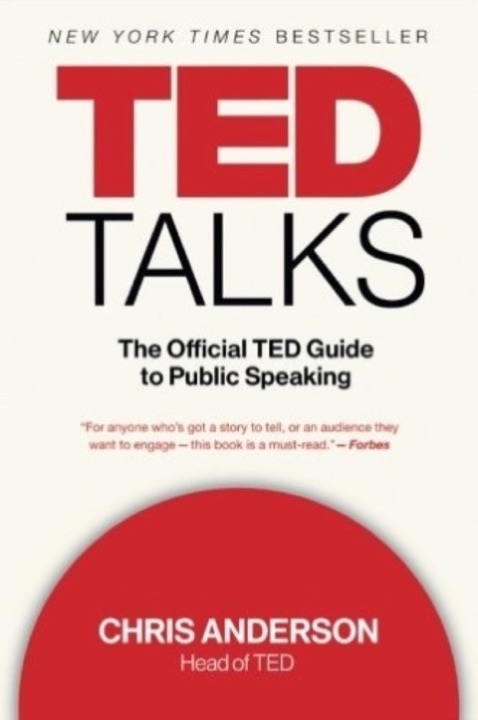
Ted Talks
Applying the lessons from "Ted Talks: The Official TED Guide to Public Speaking" by Chris Anderson to your life can enhance your communication skills and help you share your unique experiences and insights more effectively. Here’s how you might integrate these lessons:
-
Focus on a Single Idea: - Given your rich life experiences, such as surviving plane crashes and your philosophy on life, you could focus on a single, compelling idea for any public speaking opportunity. For instance, you might center a talk around resilience and how near-death experiences have shaped your outlook on life.
-
Engage with Empathy: - Your core values of kindness and empathy align well with Anderson's advice. When speaking, consider your audience's perspective and tailor your message to resonate with their experiences and emotions.
-
Structure Matters: - Use a clear structure in your talks. Start with an engaging story, perhaps about your plane crash experiences, to grab attention. Then, logically progress through your insights on resilience and conclude with a powerful message about living life fully.
-
Practice and Rehearse: - Although you prefer not to rehearse phone calls, practicing your public speaking can help refine your message and delivery. Rehearse your stories and key points to ensure clarity and impact.
-
Be Authentic: - Your authenticity and humor are strengths. Embrace these qualities in your talks to connect with your audience genuinely. Share personal anecdotes, like your humorous plane crash story, to illustrate your points.
-
Use Storytelling: - You have a wealth of stories, from your childhood to your professional life. Use storytelling to make your talks memorable and relatable. Stories about your children or significant life events can illustrate your messages effectively.
-
Overcome Nerves: - While you seem calm under pressure, focusing on your message and the impact you want to have can help reduce any nerves. Remember that your goal is to inspire and connect with your audience.
-
Embrace Feedback: - Continuously seek feedback on your speaking engagements. Use it to improve and adapt your style, ensuring your message is as impactful as possible.
-
Passion and Authenticity: - Your passion for social issues and personal beliefs can be powerful motivators in your talks. Speak from the heart about topics you care deeply about, such as equality and kindness.
By applying these lessons, you can effectively share your unique perspective and experiences, inspiring others with your resilience, humor, and insights. Whether speaking at a formal event or sharing stories with friends and family, these skills can enhance your ability to communicate and connect with others.
What the book covers
"Ted Talks: The Official TED Guide to Public Speaking" by Chris Anderson is a comprehensive guide to public speaking, drawing on Anderson's extensive experience as the curator of TED, a platform known for its powerful and engaging talks. The book is designed to help speakers of all levels improve their presentation skills and deliver impactful talks.
Summary:
-
The TED Philosophy: - Anderson begins by explaining the TED philosophy, which centers around the idea of spreading ideas that matter. TED Talks are not just about sharing information but about inspiring and engaging audiences.
-
Foundation of a Great Talk: - The book emphasizes the importance of having a clear idea worth sharing. Anderson suggests that speakers should focus on a single, strong idea and build their talk around it.
-
Structure and Preparation: - Anderson outlines the importance of structuring a talk effectively. He suggests starting with a compelling opening to grab attention, followed by a logical progression of ideas, and ending with a powerful conclusion. - Preparation is key. Anderson advises speakers to rehearse extensively, refine their message, and anticipate audience reactions.
-
Connection with the Audience: - Building a connection with the audience is crucial. Anderson discusses techniques for engaging the audience, such as storytelling, humor, and authenticity. - He emphasizes the importance of empathy and understanding the audience's perspective.
-
Delivery Techniques: - The book covers various delivery techniques, including body language, voice modulation, and the use of visuals. Anderson stresses the importance of being natural and authentic on stage. - He also discusses the use of technology and how to effectively incorporate slides and other visual aids.
-
Overcoming Nerves: - Anderson provides strategies for overcoming stage fright and nervousness. He suggests focusing on the message rather than oneself and practicing mindfulness techniques.
-
The Power of Storytelling: - Storytelling is highlighted as a powerful tool for making talks memorable and engaging. Anderson provides tips on how to craft compelling stories that resonate with audiences.
-
The Role of Passion and Authenticity: - Passion and authenticity are key components of a successful talk. Anderson encourages speakers to be genuine and to speak from the heart.
-
Continuous Improvement: - The book concludes with advice on how to continuously improve as a speaker. Anderson encourages seeking feedback, learning from other speakers, and embracing the journey of becoming a better communicator.
Key Takeaways and Lessons:
- Focus on a Single Idea: A successful talk revolves around a single, clear idea that is worth sharing.
- Engage with Empathy: Understand and connect with your audience by considering their perspective and interests.
- Structure Matters: A well-structured talk with a strong opening, logical flow, and impactful conclusion is more likely to resonate.
- Practice and Rehearse: Extensive preparation and rehearsal are crucial for delivering a polished and confident presentation.
- Be Authentic: Authenticity and passion are more engaging than perfection. Be yourself and speak from the heart.
- Use Storytelling: Stories are powerful tools for making your message memorable and relatable.
- Overcome Nerves: Focus on the message and the audience rather than on yourself to reduce anxiety.
- Embrace Feedback: Continuously seek feedback and learn from each speaking experience to improve over time.
Overall, "Ted Talks" by Chris Anderson serves as a valuable resource for anyone looking to improve their public speaking skills, offering practical advice and insights from one of the most respected figures in the field.