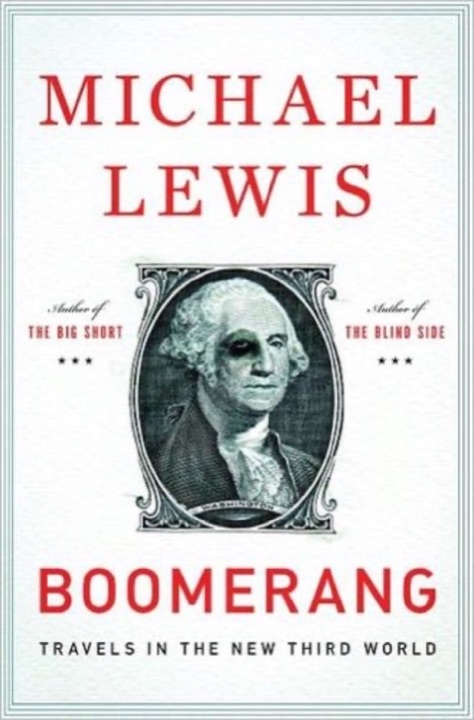
Boomerang
Applying the lessons from Michael Lewis's "Boomerang: Travels in the New Third World" to your life involves reflecting on the cultural and economic insights Lewis presents and considering how they relate to your personal experiences and values. Here are some ways you might integrate these lessons:
-
Cultural Awareness and Adaptability: - Just as Lewis highlights the impact of cultural attitudes on financial decisions, you can apply this by being mindful of how your cultural background and personal beliefs influence your decisions. Embrace your openness to learning from diverse perspectives, which can enhance your adaptability in various situations.
-
Risk Management: - The book underscores the consequences of excessive risk-taking. Given your experiences with near-death situations and your adventurous spirit, you might balance your love for excitement with careful risk assessment, ensuring that your pursuits align with your long-term goals and values.
-
Financial Prudence: - Lewis emphasizes the importance of financial regulation and oversight. You can apply this by maintaining a disciplined approach to your finances, ensuring that your investments and spending align with your values of kindness and empathy, and supporting causes that matter to you.
-
Learning from Mistakes: - The book serves as a reminder of the importance of learning from past mistakes. Reflect on your experiences, such as the plane crash incidents, and consider how they have shaped your resilience and persistence. Use these lessons to continue growing and adapting in your personal and professional life.
-
Interconnectedness and Empathy: - Lewis highlights the interconnected nature of global finance. Similarly, you can recognize the interconnectedness of human experiences and continue to approach others with empathy and kindness, understanding that everyone is fighting their own battles.
-
Embracing Change and Growth: - The financial crisis led to significant changes in the countries Lewis visited. Embrace change as an opportunity for growth, much like your personal philosophy of being in a constant state of beta and aspiring to be a lifelong learner.
-
Balancing Optimism with Realism: - While you are an eternal optimist, the book's lessons can remind you to balance optimism with a realistic assessment of situations, ensuring that your decisions are grounded in both hope and practicality.
By integrating these lessons into your life, you can continue to navigate challenges with resilience, empathy, and a commitment to personal growth, while also contributing positively to the world around you.
What the book covers
"Boomerang: Travels in the New Third World" by Michael Lewis is a compelling exploration of the global financial crisis of 2008 and its aftermath, focusing on how different countries responded to the economic turmoil. Lewis, known for his engaging narrative style, travels to several countries that were significantly impacted by the crisis, offering insights into the cultural and economic factors that contributed to their financial woes.
Summary:
-
Iceland: - Background: Iceland transformed from a fishing-based economy to a financial powerhouse, with its banks expanding aggressively. - Crisis: The banks took on massive debts, leading to a collapse when they couldn't repay them. - Cultural Insight: Lewis highlights a culture of risk-taking and overconfidence, where fishermen turned bankers believed they could master global finance.
-
Greece: - Background: Greece's financial troubles were rooted in excessive government spending and widespread tax evasion. - Crisis: The country faced a severe debt crisis, requiring bailouts from the European Union. - Cultural Insight: Lewis points to a lack of trust in government and systemic corruption as key issues, with citizens and officials alike exploiting the system.
-
Ireland: - Background: Ireland experienced a property boom fueled by easy credit and speculative investments. - Crisis: The bubble burst, leaving banks and the economy in ruins. - Cultural Insight: The Irish tendency to follow authority and avoid confrontation contributed to unchecked financial practices.
-
Germany: - Background: Germany, as Europe's economic powerhouse, played a different role, being a major lender to struggling economies. - Crisis: While not directly hit, Germany faced challenges due to its exposure to bad debts from other countries. - Cultural Insight: Lewis contrasts German thriftiness and discipline with the perceived recklessness of other nations.
-
United States: - Background: The U.S. housing market collapse was a central trigger for the global crisis. - Crisis: The financial system's complexity and lack of regulation led to widespread failures. - Cultural Insight: Lewis critiques the American culture of excessive risk-taking and the belief in continuous growth.
Key Takeaways and Lessons:
- Cultural Influence: Lewis emphasizes how cultural attitudes towards risk, authority, and financial practices significantly influenced each country's crisis experience.
- Global Interconnectedness: The book highlights the interconnected nature of global finance, where the actions of one country can have far-reaching effects.
- Regulation and Oversight: A recurring theme is the need for better financial regulation and oversight to prevent such crises in the future.
- Human Behavior: Lewis underscores the role of human behavior, including greed, denial, and overconfidence, in financial decision-making.
- Learning from Mistakes: The book serves as a cautionary tale about the importance of learning from past mistakes to build more resilient economic systems.
Overall, "Boomerang" provides a vivid and insightful look into the financial crisis, offering lessons on the importance of cultural understanding and prudent financial management.