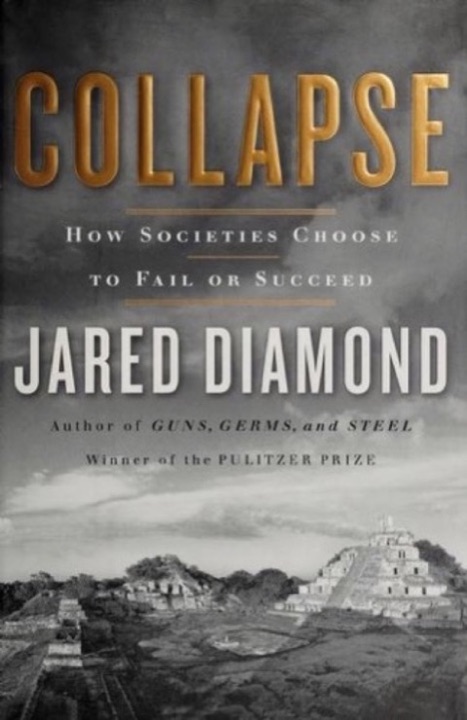
Collapse: How Societies Choose to Fail or Succeed
Applying the lessons from Jared Diamond's "Collapse: How Societies Choose to Fail or Succeed" to your life involves drawing parallels between the factors that contribute to societal collapse and personal challenges. Here are some ways you might integrate these lessons:
-
Environmental Stewardship: - Just as societies must manage their resources sustainably, consider how you manage your personal resources, such as time, energy, and finances. Prioritize activities and relationships that contribute positively to your well-being and long-term goals.
-
Adaptability and Innovation: - Embrace change and be open to adapting your strategies when faced with new challenges. Your resilience and humor are strengths that can help you navigate life's uncertainties. Continue to seek out new experiences, like skydiving, to foster adaptability.
-
Learning from History: - Reflect on past experiences, both successes and failures, to inform your future decisions. Your ability to learn from failures and grow from them aligns with this lesson. Use these insights to guide your actions and avoid repeating past mistakes.
-
Global Interconnectedness: - Recognize the interconnectedness of your personal and professional networks. Foster relationships that support mutual growth and understanding. Your involvement in activism and advocacy work reflects an awareness of broader societal issues and their impact on your life.
-
Role of Leadership: - As a leader in your personal and professional life, prioritize making informed and compassionate decisions. Your core values of kindness and empathy are crucial in guiding others and addressing challenges effectively.
-
Sustainability and Balance: - Strive for balance in your life, recognizing the importance of maintaining physical, emotional, and mental health. Your daily routine reflects a commitment to personal well-being, but continue to evaluate and adjust as needed to ensure sustainability.
-
Proactive Decision-Making: - Like societies that successfully avoid collapse, be proactive in addressing potential issues before they become crises. Your approach to decision-making, which involves gathering information and seeking input, is a valuable strategy.
-
Community and Collaboration: - Engage with your community and collaborate with others to address shared challenges. Your passion for social issues and advocacy work demonstrates a commitment to collective well-being.
By integrating these lessons into your life, you can continue to thrive and contribute positively to those around you, much like the successful societies Diamond describes.
What the book covers
"Collapse: How Societies Choose to Fail or Succeed" by Jared Diamond is a comprehensive exploration of the factors that have historically led to the collapse of societies. Diamond, a geographer and historian, examines a range of case studies from different periods and regions to understand why some societies have failed while others have succeeded. The book is structured around a comparative analysis of these societies, focusing on environmental, economic, social, and political factors.
Summary:
-
Introduction: - Diamond introduces the concept of societal collapse and outlines his framework for analysis. He identifies five key factors that contribute to collapse: environmental damage, climate change, hostile neighbors, friendly trade partners, and the society’s response to its environmental problems.
-
Case Studies of Past Societies: - Easter Island: Diamond explores how deforestation and resource depletion led to the collapse of this isolated society. The overexploitation of resources, particularly trees, resulted in ecological disaster and societal breakdown. - The Ancestral Puebloans (Anasazi): The collapse of this society in the American Southwest is attributed to environmental changes, such as drought, and social factors, including warfare and societal inflexibility. - The Maya: The decline of the Maya civilization is examined through the lens of environmental degradation, overpopulation, and political strife. - Norse Greenland: Diamond discusses how the Norse failed to adapt to Greenland’s environment, leading to their eventual disappearance. Their inability to learn from the Inuit and adapt their agricultural practices was a critical factor.
-
Modern Societies: - Diamond shifts focus to contemporary societies, analyzing how they face similar challenges. He examines Rwanda’s genocide, partly attributing it to overpopulation and resource scarcity. - He also discusses the environmental and economic challenges faced by countries like China and Australia, highlighting the global interconnectedness of modern societies.
-
Comparative Analysis: - Diamond compares successful societies, such as Tikopia and Tokugawa Japan, which managed to avoid collapse through sustainable practices and adaptive strategies. These societies recognized their environmental limits and implemented measures to live within them.
-
Lessons and Key Takeaways: - Environmental Stewardship: Societies must recognize the importance of sustainable resource management. Overexploitation of resources can lead to irreversible damage and societal collapse. - Adaptability and Innovation: Societies that adapt to changing environmental and social conditions are more likely to survive. Flexibility in social and economic practices is crucial. - Learning from History: Understanding the successes and failures of past societies can provide valuable lessons for contemporary decision-making. - Global Interconnectedness: Modern societies are interconnected, and environmental or economic crises in one region can have global repercussions. Collaborative international efforts are necessary to address these challenges. - Role of Leadership: Effective leadership is essential in recognizing and addressing environmental and social issues. Leaders must be willing to make difficult decisions for the long-term benefit of their societies.
In conclusion, "Collapse" emphasizes the importance of learning from history to avoid repeating the mistakes of past societies. Diamond’s analysis serves as a cautionary tale, urging contemporary societies to prioritize sustainability, adaptability, and proactive leadership to ensure their survival and success.