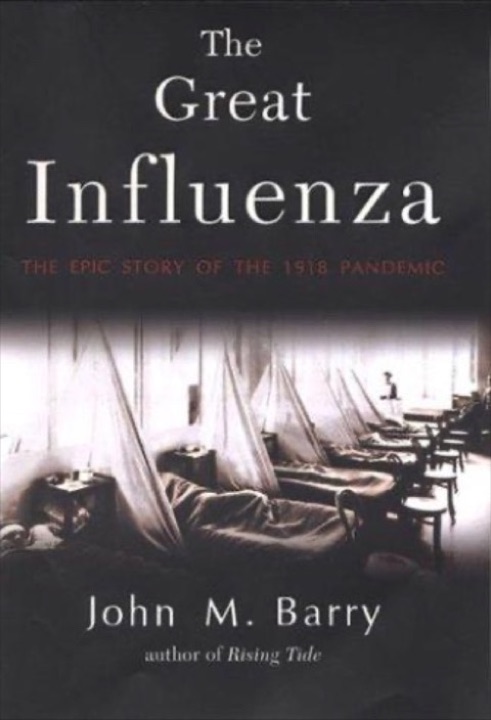
The Great Influenza: The Epic Story of the Deadliest Plague in History
Applying the lessons from "The Great Influenza" by John M. Barry to your life can be both insightful and practical, given your experiences and values. Here are some ways you might integrate these lessons:
-
Preparedness and Resilience: - Just as the 1918 pandemic highlighted the importance of preparedness, you can continue to apply this lesson by ensuring you are ready for unexpected challenges, whether in your personal life or career. Your resilience and persistence are already strengths, so maintaining a mindset of preparedness can further enhance your ability to navigate life's uncertainties.
-
Scientific Curiosity and Lifelong Learning: - The book emphasizes the importance of scientific research and understanding. Given your interest in continuous learning and personal growth, you can stay informed about advancements in science and technology, particularly in areas that interest you, such as health and aviation.
-
Global Perspective and Cooperation: - The pandemic required global cooperation, a lesson that can be applied to your worldview. Embrace opportunities for collaboration and understanding across different cultures and communities, aligning with your belief in equality and acceptance.
-
Effective Communication: - Transparent and accurate communication was crucial during the pandemic. You can apply this lesson by continuing to communicate directly and warmly, ensuring clarity and understanding in your interactions, especially in high-stakes situations like those in the emergency department.
-
Adaptability and Flexibility: - The ability to adapt strategies based on new information was vital during the pandemic. You can apply this lesson by remaining open to change and being willing to adjust your plans and beliefs as new insights emerge, aligning with your philosophy of having strong convictions loosely held.
-
Empathy and Kindness: - The social impact of the pandemic underscores the importance of empathy and kindness, values you already hold dear. Continue to approach others with understanding and compassion, recognizing that everyone faces their own battles.
-
Advocacy and Activism: - The book highlights the role of public health officials and the importance of advocacy. You can continue your involvement in social issues like equality and anti-human trafficking, using your voice and actions to promote positive change.
By integrating these lessons into your life, you can further enhance your ability to navigate challenges, contribute to society, and live in alignment with your values and aspirations.
What the book covers
"The Great Influenza: The Epic Story of the Deadliest Plague in History" by John M. Barry is a comprehensive account of the 1918 influenza pandemic, which is often considered one of the deadliest pandemics in human history. Barry's book delves into the origins, spread, and impact of the influenza virus, as well as the scientific, social, and political responses to the crisis.
Summary:
-
Historical Context and Origins: - Barry begins by setting the stage in the early 20th century, a time of significant scientific advancement and global conflict due to World War I. He explores how the war contributed to the rapid spread of the virus. - The book traces the origins of the influenza virus, likely starting in Haskell County, Kansas, and spreading to military camps before reaching Europe and the rest of the world.
-
The Spread of the Pandemic: - The narrative details how the virus spread globally, facilitated by troop movements and crowded conditions in military camps and urban areas. - Barry describes the three waves of the pandemic, with the second wave being the most lethal.
-
Scientific and Medical Response: - The book highlights the state of medical science at the time, emphasizing the lack of understanding of viruses and the challenges faced by scientists and doctors. - Key figures in the medical field, such as William Welch and Oswald Avery, are profiled for their contributions to understanding and combating the virus.
-
Impact on Society: - Barry examines the social and psychological impact of the pandemic, including widespread fear, the breakdown of public services, and the strain on healthcare systems. - The book also discusses the role of government and public health officials, noting both successes and failures in their responses.
-
Lessons Learned: - Barry concludes with reflections on the lessons learned from the 1918 pandemic, emphasizing the importance of scientific research, public health infrastructure, and transparent communication during health crises.
Key Takeaways and Lessons:
-
Importance of Preparedness: The 1918 pandemic underscores the need for robust public health systems and preparedness plans to effectively respond to future pandemics.
-
Scientific Research: Continued investment in scientific research is crucial for understanding and combating emerging infectious diseases.
-
Global Cooperation: Pandemics require a coordinated global response, as viruses do not respect national borders.
-
Communication: Transparent and accurate communication from authorities is vital to maintain public trust and ensure compliance with health measures.
-
Adaptability: The ability to adapt strategies based on new information is essential in managing a rapidly evolving health crisis.
Barry's book serves as both a historical account and a cautionary tale, reminding readers of the devastating impact of pandemics and the ongoing need for vigilance and preparedness in the face of infectious diseases.