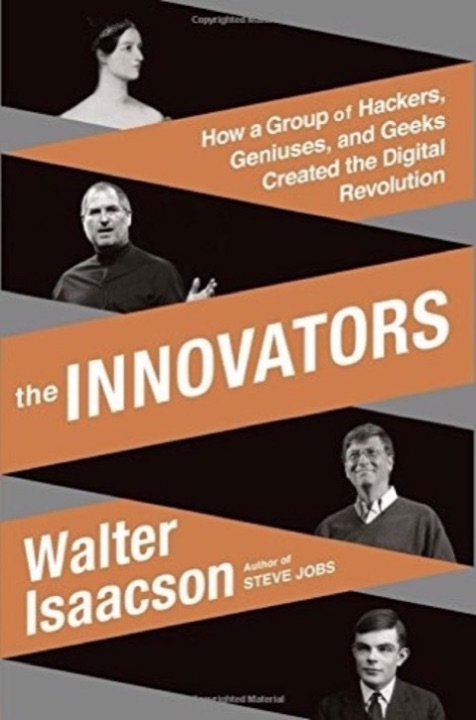
The Innovators: How a Group of Hackers, Geniuses and Geeks Created the Digital Revolution
Applying the lessons from "The Innovators" by Walter Isaacson to your life can be a rewarding endeavor, especially given your rich personal experiences and values. Here are some ways you might integrate these lessons:
-
Embrace Collaboration: - Given your belief in kindness and empathy, you can further emphasize collaboration in your personal and professional life. Seek out diverse perspectives and work with others to achieve common goals, whether in your medical career, advocacy work, or personal projects.
-
Foster an Interdisciplinary Approach: - Your interests in flying, reading, and technology suggest a natural inclination towards interdisciplinary thinking. Continue to blend different fields and ideas, perhaps by integrating technology into your medical practice or exploring new hobbies that combine your varied interests.
-
Cultivate Vision and Persistence: - Your resilience and persistence are already strong traits. Use these qualities to pursue long-term goals, such as your aspiration to live in the moment or your dream of skydiving. Keep pushing forward, even when faced with setbacks.
-
Leverage Institutional Support: - As someone involved in advocacy, consider how you can work with institutions or organizations to further your causes, such as domestic abuse and anti-human trafficking. Seek partnerships that can amplify your impact.
-
Consider Ethical Implications: - Your ethical beliefs guide your actions, and this aligns with the book's emphasis on considering the societal impact of innovations. Continue to apply this mindset to your work and personal life, ensuring that your actions align with your values.
-
Adapt and Evolve: - Your commitment to personal growth and being in a constant state of beta is a strength. Stay open to new ideas and be willing to adapt as the world changes, whether in your professional field or personal life.
-
Embrace Technology: - As a forward-thinking individual, continue to explore how technology can enhance your life and work. Stay informed about technological advancements and consider how they can be used for the betterment of society, aligning with your hopes for the future.
By integrating these lessons into your life, you can continue to grow and make meaningful contributions to the world around you, while staying true to your core values and beliefs.
What the book covers
"The Innovators: How a Group of Hackers, Geniuses, and Geeks Created the Digital Revolution" by Walter Isaacson is a comprehensive exploration of the individuals and teams who contributed to the development of the digital age. Isaacson, known for his biographies of Steve Jobs, Albert Einstein, and Benjamin Franklin, delves into the collaborative nature of innovation, highlighting how teamwork and the exchange of ideas have driven technological progress.
Summary:
-
Historical Context and Early Innovators: - The book begins with Ada Lovelace and Charles Babbage in the 19th century, who laid the groundwork for computing with the concept of a programmable computer. - Isaacson emphasizes Lovelace's vision of computers as more than mere calculators, foreseeing their potential to handle complex tasks.
-
The Development of Computers: - The narrative moves through the 20th century, detailing the creation of the first computers during World War II, such as the ENIAC. - Key figures like Alan Turing are discussed for their theoretical contributions, including the concept of a universal machine and the Turing Test.
-
The Birth of the Internet: - The book covers the development of the internet, starting with ARPANET, and highlights the collaborative efforts of engineers and scientists. - Isaacson discusses the role of government and academia in fostering early internet technologies.
-
The Personal Computer Revolution: - The transition from mainframe computers to personal computers is explored, with a focus on pioneers like Bill Gates, Steve Jobs, and the teams at Xerox PARC. - The book details how the vision of a computer in every home became a reality through innovation and competition.
-
Software and User Interface: - The evolution of software, from early programming languages to user-friendly interfaces, is examined. - Isaacson highlights the importance of software in making technology accessible to the masses.
-
The Rise of the Internet and the Web: - The development of the World Wide Web by Tim Berners-Lee and the subsequent explosion of internet usage are chronicled. - The book discusses the impact of web browsers and search engines in democratizing information.
-
The Social and Mobile Revolution: - The narrative concludes with the rise of social media and mobile technology, examining how platforms like Facebook and smartphones have transformed communication and society.
Key Takeaways and Lessons:
-
Collaboration is Key: Isaacson emphasizes that innovation is rarely the result of a lone genius. Instead, it is the product of collaboration among diverse groups of people with different skills and perspectives.
-
Interdisciplinary Approach: Successful innovation often requires a blend of technical expertise and creative thinking. The book highlights the importance of combining engineering with the arts and humanities.
-
Vision and Persistence: Many of the innovators faced skepticism and failure before achieving success. Their stories underscore the importance of vision and persistence in overcoming obstacles.
-
The Role of Government and Institutions: The book illustrates how government funding and institutional support have been crucial in the early stages of technological development.
-
Ethical Considerations: As technology advances, ethical considerations become increasingly important. Innovators must consider the societal impact of their creations.
-
Adaptability and Evolution: The digital revolution is ongoing, and adaptability is crucial for both individuals and companies to remain relevant in a rapidly changing landscape.
Overall, "The Innovators" provides a detailed and engaging account of the people and ideas that have shaped the digital world, offering valuable insights into the nature of innovation and the collaborative spirit that drives it.