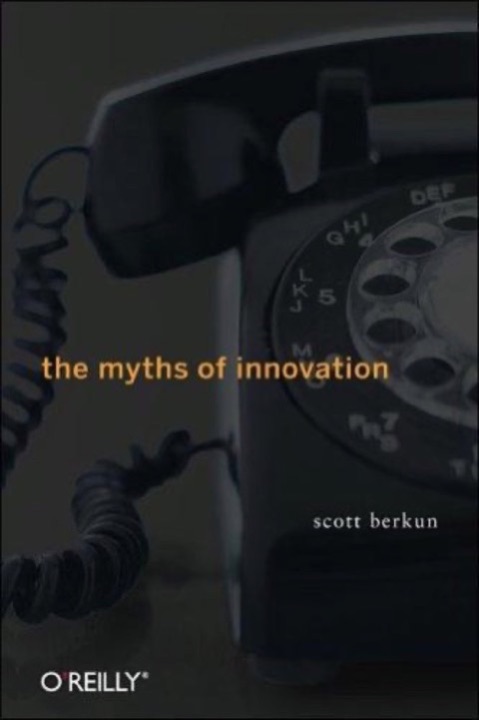
The Myths of Innovation
Applying the lessons from "The Myths of Innovation" by Scott Berkun to your life can enhance your approach to personal growth, problem-solving, and creativity. Here’s how you might integrate these insights:
-
Embrace Iteration: Recognize that personal growth and achievements are often the result of continuous effort and refinement. Just as innovation is iterative, so is personal development. Reflect on your experiences, learn from them, and make incremental improvements in your life.
-
Leverage Collaboration: Given your appreciation for teamwork and collaboration, continue to seek diverse perspectives and input from others. Whether in your professional life or personal projects, value the contributions of those around you and build on collective knowledge.
-
Focus on Execution: While you have many ideas and aspirations, prioritize executing them effectively. Whether it’s pursuing skydiving or advocating for social issues, focus on actionable steps and adapt as needed to achieve your goals.
-
View Constraints as Opportunities: Use limitations as a catalyst for creativity. For example, if time or resources are limited, find innovative ways to work within those constraints to achieve your objectives.
-
Cultivate a Supportive Environment: Foster an environment, both personally and professionally, that encourages experimentation and learning from failure. Encourage those around you, including your family and colleagues, to take risks and explore new ideas.
-
Adaptability and Flexibility: Given the unpredictable nature of life, maintain your adaptability and openness to change. Be willing to pivot when necessary and embrace new opportunities as they arise.
-
Learn from History: Reflect on your past experiences and the lessons they’ve taught you. Use these insights to inform your future decisions and actions, much like how historical context informs innovation.
By integrating these principles into your life, you can enhance your ability to innovate, adapt, and grow, both personally and professionally.
What the book covers
"The Myths of Innovation" by Scott Berkun is a compelling exploration of the misconceptions surrounding the process of innovation. Berkun, drawing from his experience in the tech industry and extensive research, debunks common myths and provides a more nuanced understanding of how innovation truly works. Here’s a thorough summary of the book along with key takeaways and lessons:
Summary:
-
Challenging the Myths: - Berkun begins by addressing the romanticized view of innovation, often seen as a sudden, solitary eureka moment. He argues that this perception is misleading and oversimplifies the complex nature of innovation.
-
The Myth of Epiphany: - One of the central myths Berkun tackles is the idea that innovations come from sudden insights. He explains that most innovations are the result of gradual progress, hard work, and the combination of existing ideas.
-
The Role of History: - Berkun emphasizes the importance of understanding the historical context of innovations. He illustrates how many breakthroughs were built on previous knowledge and how history often overlooks the collaborative and iterative nature of innovation.
-
The Lone Inventor Myth: - The book dispels the myth of the lone genius, highlighting that most innovations are the result of teamwork and collaboration. Berkun provides examples of famous inventors who relied on the support and ideas of others.
-
The Myth of the Best Idea: - Berkun argues that having the best idea is not enough. Execution, timing, and the ability to adapt are crucial components of successful innovation. He stresses the importance of perseverance and resilience in the face of challenges.
-
The Role of Constraints: - Constraints are often seen as obstacles, but Berkun suggests they can be catalysts for creativity. He explains how limitations can force innovators to think differently and come up with unique solutions.
-
The Importance of Culture: - The book discusses how organizational culture can either foster or hinder innovation. Berkun highlights the need for environments that encourage experimentation, risk-taking, and learning from failure.
-
The Myth of Predictability: - Berkun challenges the notion that innovation can be planned and predicted. He argues that uncertainty is inherent in the process and that flexibility and adaptability are essential traits for innovators.
Key Takeaways and Lessons:
-
Innovation is Iterative: It is a process that involves trial and error, learning, and refinement. Breakthroughs are rarely instantaneous.
-
Collaboration is Key: Successful innovation often requires diverse perspectives and teamwork. The myth of the solitary genius is largely unfounded.
-
Execution Over Ideas: A great idea is only as good as its execution. Innovators must focus on bringing ideas to life and adapting them to real-world conditions.
-
Embrace Constraints: Limitations can drive creativity and lead to innovative solutions. Innovators should view constraints as opportunities rather than barriers.
-
Cultivate a Supportive Culture: Organizations should create environments that encourage innovation by supporting experimentation and accepting failure as part of the learning process.
-
Adaptability is Crucial: Given the unpredictable nature of innovation, flexibility and the ability to pivot are vital for success.
-
Learn from History: Understanding the historical context of past innovations can provide valuable insights and inspiration for future endeavors.
In conclusion, "The Myths of Innovation" provides a realistic and insightful look into the nature of innovation, urging readers to move beyond myths and embrace the true, often messy, process of bringing new ideas to life.