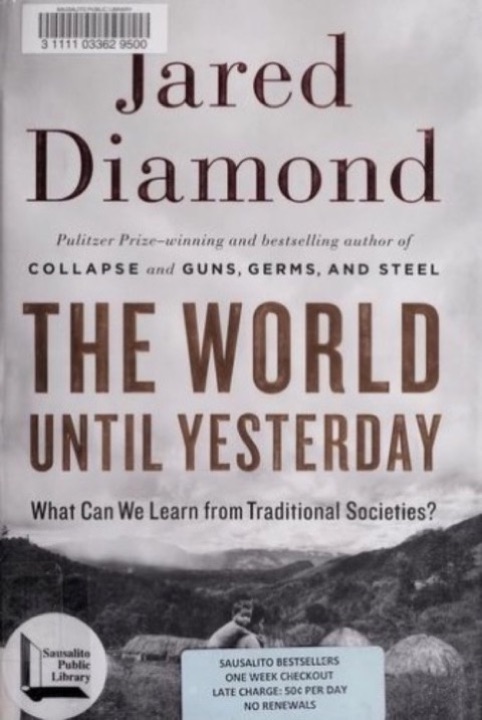
The World Until Yesterday: What Can We Learn from Traditional Societies
Applying the lessons from "The World Until Yesterday" by Jared Diamond to your life can be a thoughtful and enriching process. Here are some ways you might integrate these insights into your daily routine and worldview:
-
Community and Relationships: - Given your emphasis on kindness and empathy, you can further cultivate strong interpersonal relationships by adopting traditional conflict resolution methods. Focus on mediation and reconciliation in your interactions, aiming to restore harmony and understanding.
-
Child-Rearing and Family: - You already value your children and family deeply. Consider incorporating communal caregiving practices by involving extended family and friends in your grandchild's upbringing, fostering a supportive and nurturing environment.
-
Health and Diet: - You have a structured fitness routine, but you might explore integrating more traditional dietary practices. Emphasize whole, unprocessed foods and varied meals, drawing inspiration from traditional diets to enhance your health and well-being.
-
Elder Care: - Reflect on how you can further respect and integrate the wisdom of elders in your life. This could involve spending more time with older family members or community elders, learning from their experiences, and valuing their contributions.
-
Spirituality and Mindfulness: - While you are spiritual but not religious, you might explore traditional spiritual practices that emphasize mindfulness and community cohesion. This could involve meditation, rituals, or storytelling that align with your beliefs in reincarnation and personal growth.
-
Risk Management and Resilience: - Given your experiences with near-death situations and your resilience, consider adopting traditional risk management strategies. This could involve diversifying your activities and resources, as well as fostering a community of mutual support and resource sharing.
-
Cultural Preservation: - You value diversity and equality, so you might engage in activities that preserve and celebrate cultural diversity. This could involve learning new languages, participating in cultural events, or supporting initiatives that protect endangered cultures and languages.
-
Living in the Moment: - You aspire to live in the moment, a concept often emphasized in traditional societies. Practice mindfulness and gratitude daily, focusing on the present and appreciating the small joys in life.
By thoughtfully integrating these lessons into your life, you can enhance your personal growth, strengthen your relationships, and contribute positively to your community, all while staying true to your core values and beliefs.
What the book covers
"The World Until Yesterday: What Can We Learn from Traditional Societies?" by Jared Diamond is a thought-provoking exploration of the lifestyles and practices of traditional societies and what modern societies can learn from them. Diamond, a renowned geographer and author, draws on his extensive fieldwork and research to examine various aspects of traditional life, including conflict resolution, child-rearing, health, diet, and religion.
Summary:
-
Introduction to Traditional Societies: - Diamond begins by defining traditional societies as those that have existed for thousands of years with minimal influence from modern industrialized societies. These societies are often small-scale, with close-knit communities and a reliance on subsistence living.
-
Conflict Resolution: - Traditional societies often resolve conflicts through mediation and reconciliation rather than formal legal systems. Diamond highlights the importance of restoring relationships and community harmony, contrasting this with the often adversarial nature of modern legal systems.
-
Child-Rearing Practices: - The book examines various child-rearing practices, such as communal caregiving and extended breastfeeding, which are common in traditional societies. Diamond suggests that these practices can lead to well-adjusted children and stronger community bonds.
-
Health and Diet: - Traditional diets are typically more varied and less processed than modern diets, leading to lower rates of obesity and chronic diseases. Diamond discusses the benefits of traditional diets and the importance of physical activity, which is naturally integrated into daily life in these societies.
-
Elder Care: - In many traditional societies, elders are respected and integrated into daily life, providing wisdom and continuity. Diamond contrasts this with the often isolated and marginalized status of elders in modern societies.
-
Religion and Spirituality: - Religion in traditional societies often plays a central role in daily life, providing a framework for understanding the world and guiding moral behavior. Diamond explores how these spiritual practices contribute to community cohesion and individual well-being.
-
Risk Management: - Traditional societies often have strategies for managing environmental and social risks, such as food sharing and diversification of resources. Diamond suggests that these practices can offer insights into sustainable living and resilience.
-
Language and Cultural Diversity: - The book highlights the rich linguistic and cultural diversity found in traditional societies, emphasizing the importance of preserving these languages and cultures as they offer unique perspectives and knowledge.
Key Takeaways and Lessons:
-
Community and Relationships: Traditional societies emphasize the importance of community and interpersonal relationships, offering lessons in cooperation, empathy, and conflict resolution.
-
Sustainable Living: Many traditional practices are inherently sustainable and can inform modern approaches to environmental conservation and resource management.
-
Health and Well-being: The integration of physical activity and natural diets in traditional societies provides insights into combating modern health issues such as obesity and chronic diseases.
-
Respect for Elders: The role of elders in traditional societies highlights the value of intergenerational relationships and the wisdom that older generations can offer.
-
Cultural Preservation: The diversity of languages and cultures in traditional societies underscores the importance of preserving these heritages for their intrinsic value and the knowledge they contain.
In conclusion, "The World Until Yesterday" encourages readers to reflect on the practices of traditional societies and consider how these can be adapted to improve modern life. Diamond does not suggest a wholesale return to traditional ways but rather advocates for a thoughtful integration of beneficial practices into contemporary society.