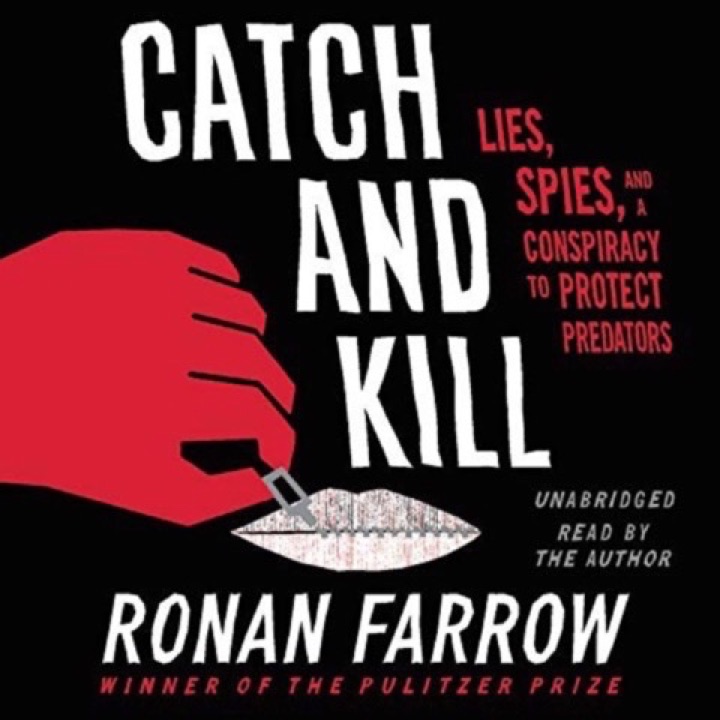
Catch and Kill: Lies, Spies, and a Conspiracy to Protect Predators
Applying the lessons from "Catch and Kill: Lies, Spies, and a Conspiracy to Protect Predators" by Ronan Farrow to your life involves embracing the themes of courage, accountability, and the importance of speaking out against injustice. Here are some ways you might integrate these lessons into your personal and professional life:
-
Courage to Speak Out: Just as the survivors and whistleblowers in Farrow's book bravely came forward despite the risks, you can apply this lesson by standing up for what you believe in, even when it's difficult. Your past experiences, such as fighting for your friend in the ED, show that you already embody this courage. Continue to advocate for those who may not have a voice and challenge injustices when you encounter them.
-
Accountability and Integrity: Farrow's work underscores the importance of holding powerful individuals and institutions accountable. In your life, this can translate to maintaining high ethical standards in your personal and professional interactions. As a physician, you already prioritize kindness and empathy, but you can further ensure that your actions align with your values by being transparent and honest in all your dealings.
-
Support for Investigative Efforts: Recognize the critical role of investigative journalism and support efforts to uncover truths that might otherwise remain hidden. This could involve supporting media outlets that prioritize integrity or even engaging in advocacy work that aligns with your values, such as your involvement in anti-human trafficking initiatives.
-
Empathy and Understanding: The book highlights the importance of empathy, especially towards those who have suffered. Your core values of kindness and empathy align with this lesson. Continue to approach others with understanding, recognizing that everyone is fighting their own battles.
-
Media Literacy and Critical Thinking: Farrow's book reveals how media can sometimes be complicit in protecting powerful figures. Enhance your media literacy by critically evaluating the information you consume and questioning the motivations behind it. Encourage others to do the same, fostering a culture of informed and critical thinking.
-
Promoting Cultural Change: Use your influence to advocate for cultural change in areas you are passionate about, such as equality and civil rights. Your belief in leveraging technology for the betterment of mankind can be a powerful tool in promoting these changes.
-
Resilience and Persistence: Farrow's persistence in pursuing the truth despite obstacles is a testament to the power of resilience. Your personal motto, "Never, ever quit," aligns with this lesson. Continue to apply your persistence in all areas of your life, whether it's personal growth, professional challenges, or advocating for social issues.
By integrating these lessons into your life, you can continue to make a positive impact on those around you and contribute to a more just and equitable society.
What the book covers
"Catch and Kill: Lies, Spies, and a Conspiracy to Protect Predators" by Ronan Farrow is an investigative journalism book that delves into the complex web of power, corruption, and cover-ups surrounding sexual misconduct allegations against powerful figures, most notably Harvey Weinstein. The book is a detailed account of Farrow's efforts to uncover the truth, the obstacles he faced, and the broader implications for media, power, and justice.
Summary:
Background and Investigation:
-
Harvey Weinstein Allegations: The book centers on the allegations against Hollywood producer Harvey Weinstein, who was accused of sexual harassment, assault, and rape by numerous women. Farrow, then a journalist at NBC News, began investigating these claims.
-
Challenges and Obstacles: Farrow faced significant resistance from his own network, NBC, which was reluctant to air the story. The book reveals how powerful individuals and institutions attempted to suppress the allegations through intimidation, legal threats, and surveillance.
-
Surveillance and Intimidation: Weinstein employed private investigators, including former intelligence operatives, to track and intimidate journalists and accusers. Farrow describes being followed and monitored as part of these efforts to "catch and kill" the story.
Key Figures and Stories:
-
Victims and Whistleblowers: The book highlights the bravery of the women who came forward, despite the risks to their careers and personal lives. It also profiles whistleblowers within Weinstein's company and other organizations who provided crucial information.
-
Media Complicity: Farrow explores the role of media companies in protecting powerful predators. NBC's decision not to run the story is scrutinized, raising questions about conflicts of interest and the influence of powerful figures on editorial decisions.
-
Ronan Farrow's Journey: The narrative also follows Farrow's personal journey, including his struggles with NBC, his eventual decision to take the story to The New Yorker, and the impact of his reporting on the #MeToo movement.
Broader Implications:
-
Systemic Issues: The book underscores systemic issues in media and entertainment industries, where power imbalances and a culture of silence allowed predators to operate with impunity.
-
Courage and Accountability: It highlights the importance of courage and accountability in journalism, emphasizing the role of the press in holding powerful individuals and institutions accountable.
Key Takeaways and Lessons:
-
Power and Corruption: The book illustrates how power can corrupt and how influential individuals can manipulate systems to protect themselves from accountability.
-
Importance of Investigative Journalism: Farrow's work demonstrates the critical role of investigative journalism in uncovering truths that powerful entities wish to keep hidden.
-
Courage of Survivors: The bravery of the survivors and whistleblowers is a central theme, showing the importance of speaking out despite personal and professional risks.
-
Media Responsibility: The book calls for greater responsibility and integrity within media organizations to ensure that stories of public interest are not suppressed due to external pressures.
-
Cultural Change: "Catch and Kill" contributes to the broader conversation about cultural change, advocating for environments where victims can safely report misconduct and where accountability is prioritized.
Overall, "Catch and Kill" is a compelling narrative that not only exposes the dark underbelly of Hollywood and media but also serves as a call to action for systemic change and justice.