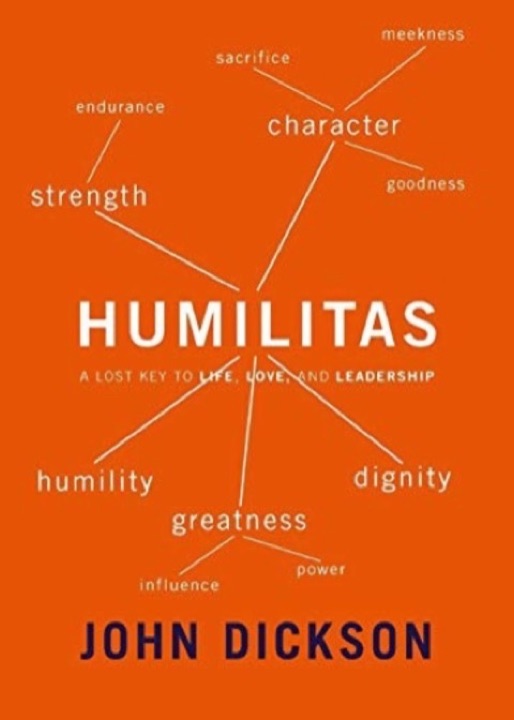
Humilitas
Applying the lessons from "Humilitas" by John Dickson to your life can enhance your personal growth, relationships, and leadership abilities. Here’s how you might integrate these insights:
-
Redefining Humility: - Embrace humility as a balanced self-view. Recognize your strengths, such as resilience and humor, while acknowledging areas for improvement, like impulsivity and lack of balance. This self-awareness can help you serve others more effectively, aligning with your core values of kindness and empathy.
-
Historical Insights: - Reflect on the historical significance of humility and its role in various cultures and religions. This understanding can deepen your appreciation for humility as a virtue and reinforce your belief in equality and acceptance, which are central to your worldview.
-
Leadership: - Apply humility in your leadership roles, whether in your professional life or personal interactions. Be open to feedback and willing to acknowledge your limitations. This approach can enhance your ability to connect with others and inspire them, aligning with your direct and humorous communication style.
-
Practical Steps: - Cultivate humility by seeking honest feedback from those around you, practicing gratitude, and prioritizing the needs of others. These practices can help you maintain strong relationships and foster a supportive community, which is important to you.
-
Personal Development: - Use humility as a tool for personal growth. By being open to learning and acknowledging your limitations, you can continue to improve yourself and your relationships. This aligns with your mindset of being in a constant state of beta and aspiring to be a lifelong learner.
-
Cultural Challenges: - Recognize the societal pressures that may discourage humility, such as the emphasis on self-promotion. Focus on the long-term benefits of humility, like deeper relationships and personal growth, which resonate with your values and aspirations.
By integrating these lessons into your life, you can enhance your personal and professional experiences, fostering a more fulfilling and meaningful existence.
What the book covers
"Humilitas: A Lost Key to Life, Love, and Leadership" by John Dickson explores the concept of humility and its importance in various aspects of life, including leadership, relationships, and personal growth. Dickson, a historian and public speaker, delves into the historical and philosophical roots of humility, arguing that it is a crucial virtue for effective leadership and meaningful human interaction.
Summary:
-
Definition and Misconceptions: - Dickson begins by defining humility not as self-deprecation or weakness, but as a realistic assessment of one's strengths and weaknesses, coupled with a willingness to serve others. - He dispels common misconceptions that equate humility with low self-esteem or lack of ambition.
-
Historical Context: - The book traces the evolution of humility as a virtue, highlighting its significance in ancient cultures and religions, particularly in Christianity, where it was revolutionized by the teachings of Jesus. - Dickson discusses how humility was often seen as a weakness in Greco-Roman culture, but became a cornerstone of Christian ethics.
-
Humility in Leadership: - Dickson argues that humility is essential for effective leadership. Leaders who are humble are more open to feedback, willing to acknowledge their limitations, and better able to connect with their teams. - He provides examples of historical and contemporary leaders who exemplified humility, demonstrating how this trait contributed to their success.
-
Practical Applications: - The book offers practical advice on cultivating humility, such as seeking honest feedback, practicing gratitude, and focusing on the needs of others. - Dickson emphasizes the importance of listening and learning from others, regardless of their status or expertise.
-
Humility and Personal Growth: - Humility is presented as a pathway to personal growth and fulfillment. By acknowledging one's limitations and being open to learning, individuals can improve themselves and their relationships. - Dickson discusses the role of humility in fostering empathy and compassion, which are essential for building strong, supportive communities.
-
Challenges and Rewards: - The book acknowledges the challenges of practicing humility in a culture that often values self-promotion and individualism. - However, Dickson argues that the rewards of humility—such as deeper relationships, personal growth, and effective leadership—far outweigh these challenges.
Key Takeaways and Lessons:
- Redefining Humility: Understand humility as a balanced self-view and a commitment to serving others, rather than a lack of confidence or ambition.
- Historical Insights: Recognize the historical significance of humility and its transformation into a key virtue in various cultures and religions.
- Leadership: Embrace humility as a critical component of effective leadership, enhancing one's ability to connect with and inspire others.
- Practical Steps: Cultivate humility through practices like seeking feedback, expressing gratitude, and prioritizing the needs of others.
- Personal Development: Use humility as a tool for personal growth, fostering empathy, and building meaningful relationships.
- Cultural Challenges: Be aware of societal pressures that may discourage humility, and focus on the long-term benefits it brings to personal and professional life.
Overall, "Humilitas" encourages readers to rethink their understanding of humility and to integrate it into their daily lives as a means to achieve greater success and fulfillment.