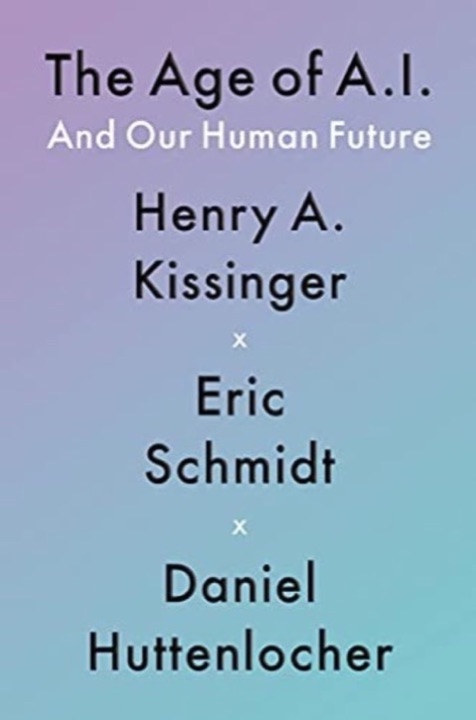
The Age of AI: And Our Human Future
Applying the lessons from "The Age of AI: And Our Human Future" to your life can be a thoughtful and enriching process, especially given your diverse experiences and values. Here are some ways you might integrate the book's insights into your life:
-
Embrace Lifelong Learning: Given your commitment to being a lifelong learner, you can delve deeper into understanding AI technologies and their implications. This aligns with your philosophy of being in a constant state of beta and can help you stay informed about technological advancements that could impact your field and personal interests.
-
Advocate for Ethical AI: Your strong ethical beliefs and passion for social issues can drive you to advocate for responsible AI development. You might engage in discussions or initiatives that promote ethical frameworks ensuring AI aligns with human values, particularly in areas like privacy, bias, and equality.
-
Foster Collaboration: The book emphasizes the importance of collaboration across sectors. You can leverage your network and experiences to foster partnerships between different stakeholders, such as healthcare, technology, and academia, to address AI's challenges and opportunities.
-
Prepare for Economic Shifts: As someone who values education and adaptation, you can focus on preparing yourself and others for the economic changes AI may bring. This could involve supporting education and retraining programs that equip people with skills needed in an AI-driven economy.
-
Maintain Human-Centric Values: Your belief in kindness and empathy can guide you in ensuring that AI technologies serve humanity's best interests. You might advocate for AI applications that enhance human capabilities and maintain human agency, particularly in healthcare and other fields you are passionate about.
-
Reflect on Human Identity: The book's exploration of AI's impact on human identity can prompt you to reflect on what it means to be human in an AI-driven world. This reflection can deepen your understanding of how AI might influence personal and societal values, aligning with your interest in philosophy and personal growth.
-
Engage in Policy Discussions: With your background and interest in governance, you can participate in or initiate discussions on AI policy and regulation. Your insights can contribute to shaping norms and regulations that manage AI's geopolitical and societal impacts.
-
Balance Technology and Humanity: As someone who values humor and human connection, you can strive to balance technological advancements with maintaining meaningful human interactions. This balance can help ensure that technology enhances rather than diminishes the quality of life.
By integrating these lessons into your life, you can contribute to shaping a future where AI technologies are developed and used in ways that align with your values and aspirations for a better world.
What the book covers
"The Age of AI: And Our Human Future" is a thought-provoking exploration of the implications of artificial intelligence (AI) on society, politics, and human identity. Written by Henry A. Kissinger, Eric Schmidt, and Daniel Huttenlocher, the book delves into the transformative power of AI technologies and their potential to reshape the world as we know it.
Summary
-
Introduction to AI and Its Impact: - The authors begin by discussing the rapid advancements in AI and its integration into various aspects of life. They highlight AI's potential to revolutionize industries, enhance productivity, and solve complex problems. - The book emphasizes that AI is not just a technological shift but a fundamental change that will affect human decision-making, ethics, and governance.
-
AI and Human Cognition: - The authors explore how AI systems, particularly those based on machine learning, differ from human cognition. AI's ability to process vast amounts of data and identify patterns can lead to insights beyond human capabilities. - They discuss the implications of AI's decision-making processes, which lack human intuition and moral reasoning, raising questions about trust and accountability.
-
AI in Governance and Geopolitics: - The book examines the role of AI in global politics and governance. AI technologies can enhance national security, but they also pose risks, such as cyber warfare and surveillance. - The authors argue for international cooperation and the establishment of norms and regulations to manage AI's geopolitical impact.
-
Economic and Social Implications: - AI's impact on the economy is profound, with potential benefits such as increased efficiency and new job creation. However, there are also challenges, including job displacement and economic inequality. - The authors discuss the need for policies that address these challenges, such as education and retraining programs to prepare the workforce for an AI-driven economy.
-
Ethical and Philosophical Considerations: - The book delves into the ethical dilemmas posed by AI, such as privacy concerns, bias in algorithms, and the potential for autonomous weapons. - The authors call for a reevaluation of ethical frameworks to address these new challenges and ensure that AI technologies align with human values.
-
The Future of Human Identity: - AI's influence on human identity and society is a central theme. The authors explore how AI might change our understanding of what it means to be human, as machines increasingly perform tasks traditionally associated with human intelligence. - They emphasize the importance of maintaining human agency and ensuring that AI serves humanity's best interests.
Key Takeaways and Lessons
- Collaboration is Crucial: The development and deployment of AI require collaboration between governments, industries, and academia to ensure that AI technologies are used responsibly and ethically.
- Regulation and Governance: Establishing international norms and regulations is essential to manage AI's impact on global politics and security.
- Ethical Frameworks: There is a need for new ethical frameworks that address the unique challenges posed by AI, ensuring that technology aligns with human values and rights.
- Education and Adaptation: Societies must invest in education and retraining to prepare for the economic shifts caused by AI, ensuring that the workforce can adapt to new roles and opportunities.
- Human-Centric AI: The development of AI should prioritize human welfare, maintaining human agency and ensuring that technology serves to enhance, rather than diminish, human capabilities.
Overall, "The Age of AI: And Our Human Future" provides a comprehensive analysis of AI's potential and challenges, urging readers to consider the profound changes AI will bring to society and the importance of guiding its development with foresight and responsibility.