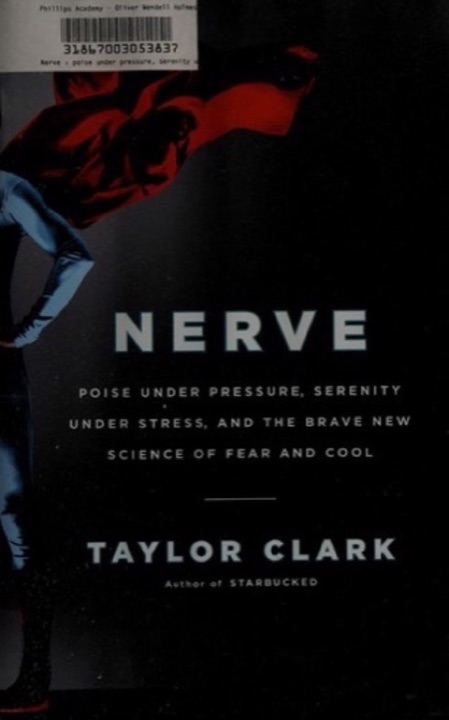
Nerve: Poise Under Pressure, Serenity Under Stress, and the Brave New Science of Fear and Cool
Given your rich life experiences and personal philosophy, there are several ways you might apply the lessons from "Nerve: Poise Under Pressure, Serenity Under Stress, and the Brave New Science of Fear and Cool" by Taylor Clark to your life:
-
Enhance Your Coolness Under Pressure: - You already have a strong foundation in remaining calm during high-pressure situations, as evidenced by your experiences in emergency departments and plane crashes. You can further refine this skill by practicing mindfulness and cognitive-behavioral techniques to enhance your ability to stay composed.
-
Reframe Stressful Situations: - You have a positive outlook on life and view challenges as opportunities for growth. Continue to apply this mindset by consciously reframing stressful situations as challenges rather than threats, which can help you maintain your resilience and optimism.
-
Practice and Preparation: - Your daily routine and commitment to personal growth demonstrate your dedication to preparation. Continue to engage in mental rehearsal and thorough preparation for any new challenges you face, such as your aspiration to try skydiving.
-
Leverage Your Strengths: - Your strengths in resilience, humor, kindness, and empathy align well with the strategies outlined in the book. Use these qualities to manage fear and anxiety, both for yourself and when supporting others in stressful situations.
-
Embrace Continuous Learning: - Your mindset of being in a constant state of beta and lifelong learning aligns with the book's emphasis on practice and experience. Continue to seek out new experiences and challenges to build confidence and reduce fear responses over time.
-
Cultivate Mindfulness: - Incorporate mindfulness practices into your daily routine to enhance your ability to remain present and calm. This can help you achieve your aspiration of living in the moment and improve your overall well-being.
-
Reflect on Perception: - Given your belief in the power of perception, continue to explore how your views on stress and fear impact your reactions. This self-awareness can lead to more effective stress management and personal growth.
By integrating these lessons into your life, you can further enhance your ability to handle stress and perform under pressure, aligning with your values and aspirations.
What the book covers
"Nerve: Poise Under Pressure, Serenity Under Stress, and the Brave New Science of Fear and Cool" by Taylor Clark explores the complex nature of fear and anxiety, and how individuals can learn to manage these emotions to perform better under pressure. The book combines scientific research, interviews with experts, and real-life stories to provide a comprehensive understanding of how fear works and how it can be controlled.
Summary:
-
Understanding Fear and Anxiety: - Clark delves into the biological and psychological mechanisms of fear and anxiety, explaining how these emotions are natural responses to perceived threats. - The book discusses the role of the amygdala and the prefrontal cortex in processing fear, highlighting how these brain regions influence our reactions to stress.
-
The Science of Staying Cool: - Clark examines the concept of "coolness" under pressure, exploring how some people manage to remain calm and composed in stressful situations. - The book introduces the idea that staying cool is not an inherent trait but a skill that can be developed through practice and understanding.
-
Case Studies and Real-Life Examples: - Throughout the book, Clark provides numerous examples of individuals who have successfully managed fear, including athletes, military personnel, and performers. - These stories illustrate various techniques and strategies used to maintain composure and perform effectively under pressure.
-
Techniques for Managing Fear: - Clark outlines several practical strategies for managing fear and anxiety, such as mindfulness, cognitive-behavioral techniques, and exposure therapy. - The book emphasizes the importance of preparation, mental rehearsal, and positive self-talk in building resilience against stress.
-
The Role of Perception: - A key theme in the book is the idea that our perception of stress and fear can significantly impact our ability to handle them. - Clark discusses how reframing stressful situations as challenges rather than threats can lead to better outcomes.
-
The Importance of Practice: - The book highlights the role of practice and experience in building confidence and reducing fear. - Clark suggests that repeated exposure to stressful situations can help individuals become more comfortable and less reactive over time.
Key Takeaways and Lessons:
- Fear is Natural but Manageable: Understanding that fear is a natural response can help individuals accept and manage it more effectively.
- Coolness is a Skill: Remaining calm under pressure is a skill that can be developed through practice and the application of specific techniques.
- Preparation is Key: Thorough preparation and mental rehearsal can significantly reduce anxiety and improve performance in high-pressure situations.
- Reframe Stressful Situations: Viewing stress as a challenge rather than a threat can change the way we respond to it, leading to more positive outcomes.
- Practice Builds Confidence: Regular exposure to stressful situations can help build confidence and reduce the intensity of fear responses over time.
Overall, "Nerve" provides valuable insights into the science of fear and offers practical advice for anyone looking to improve their ability to handle stress and perform under pressure.