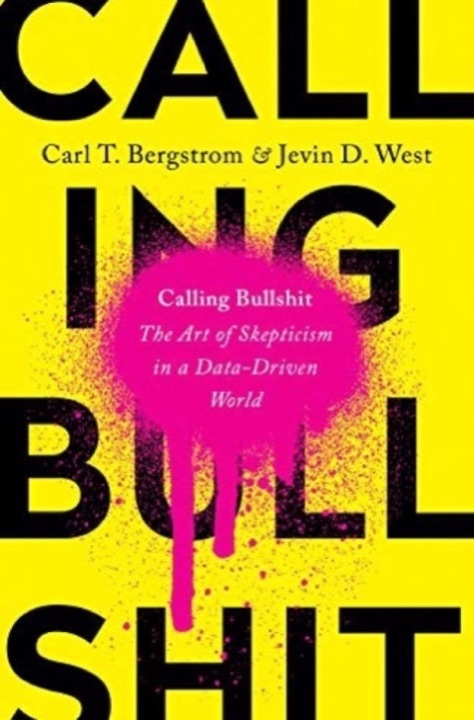
Calling Bullshit: The Art of Skepticism in a Data-Driven World
Applying the lessons from "Calling Bullshit: The Art of Skepticism in a Data-Driven World" to your life can enhance your ability to critically evaluate information and make informed decisions. Here’s how you might integrate these lessons into your daily routine and personal philosophy:
-
Critical Evaluation of Information: Given your background and experiences, you likely encounter a lot of information daily, whether in your professional life as a physician or in your personal interests. Apply critical thinking to assess the validity of the data and claims you come across. Question the source, methodology, and context of the information, especially in areas like medical research or news related to social issues you care about.
-
Understanding and Communicating Data: Use your understanding of basic statistics to interpret data accurately. This can be particularly useful in your advocacy work related to domestic abuse and anti-human trafficking, where data can be powerful in driving change. Ensure that any data you use or share is presented transparently and accurately.
-
Detecting Misleading Information: Be vigilant about misleading visualizations or narratives, especially in media or political discourse. Your direct and humorous communication style can be an asset in calling out bullshit when you see it, using humor to make your point more relatable and engaging.
-
Promoting Transparency and Accountability: In your interactions, whether in the emergency department or in personal conversations, advocate for clear and honest communication. Encourage others to be transparent about their data sources and methodologies, fostering a culture of accountability.
-
Empowering Others: Share your knowledge and skepticism with those around you, including your children and grandchildren. Teach them to be discerning consumers of information, equipping them with the skills to navigate a world where misinformation is prevalent.
-
Balancing Skepticism with Optimism: While skepticism is crucial, balance it with your inherent optimism and belief in the potential for positive change. Use your skepticism to challenge the status quo and drive improvements in areas you are passionate about, such as equality and technological advancements.
-
Continual Learning and Adaptation: Embrace the mindset of being in a constant state of beta, as you mentioned. Stay informed about new forms of data manipulation and misinformation, adapting your strategies for detecting and addressing them as needed.
By integrating these lessons into your life, you can enhance your ability to discern truth from falsehood, make informed decisions, and contribute positively to the world around you.
What the book covers
"Calling Bullshit: The Art of Skepticism in a Data-Driven World" by Carl T. Bergstrom and Jevin D. West is a guide to navigating the complex landscape of misinformation and data manipulation in the modern world. The authors, both professors with expertise in biology and information science, aim to equip readers with the tools necessary to critically evaluate data and claims encountered in everyday life.
Summary:
-
Introduction to Bullshit: - The book begins by defining "bullshit" as information that is presented with a disregard for the truth, often used to mislead or manipulate. The authors emphasize the prevalence of bullshit in today's data-driven society, where information is abundant but not always accurate or meaningful.
-
Understanding Data and Statistics: - Bergstrom and West delve into the basics of data and statistics, explaining how numbers can be manipulated to support misleading narratives. They cover common statistical fallacies and biases, such as cherry-picking data, confusing correlation with causation, and using misleading visualizations.
-
Tools for Detecting Bullshit: - The authors provide a toolkit for identifying and calling out bullshit. This includes critical thinking skills, an understanding of statistical principles, and the ability to ask the right questions about data sources, methodologies, and interpretations.
-
Case Studies and Examples: - Throughout the book, real-world examples and case studies illustrate how data can be misrepresented. These examples range from misleading graphs in media reports to scientific studies with flawed methodologies.
-
The Role of Technology and Social Media: - The book discusses the impact of technology and social media on the spread of misinformation. Algorithms that prioritize engagement over accuracy can amplify bullshit, making it more challenging for individuals to discern truth from falsehood.
-
Ethical Considerations: - Bergstrom and West explore the ethical dimensions of data use and the responsibility of individuals and organizations to present information truthfully. They argue for a culture of transparency and accountability in data communication.
-
Empowering Individuals: - The authors stress the importance of empowering individuals to become informed consumers of information. By developing skepticism and analytical skills, readers can better navigate the complexities of a data-driven world.
Key Takeaways and Lessons:
-
Critical Thinking is Essential: Always question the source, methodology, and context of data. Be wary of claims that seem too good to be true or that rely heavily on complex jargon without clear explanations.
-
Understand Basic Statistics: Familiarity with statistical concepts can help identify when data is being manipulated or misrepresented.
-
Beware of Visualizations: Graphs and charts can be powerful tools for communication but can also be used to mislead. Pay attention to scales, axes, and data selection.
-
Correlation vs. Causation: Just because two variables are correlated does not mean one causes the other. Look for evidence of causation before accepting claims.
-
Question Authority: Even reputable sources can present biased or incomplete information. Always cross-check facts and seek multiple perspectives.
-
Stay Informed and Educated: Continuously update your knowledge and skills to keep pace with new forms of data manipulation and misinformation.
-
Promote Transparency and Accountability: Advocate for clear and honest communication of data in both personal and professional contexts.
"Calling Bullshit" serves as a practical guide for anyone looking to sharpen their analytical skills and become more discerning consumers of information in an era where data is both abundant and often misleading.