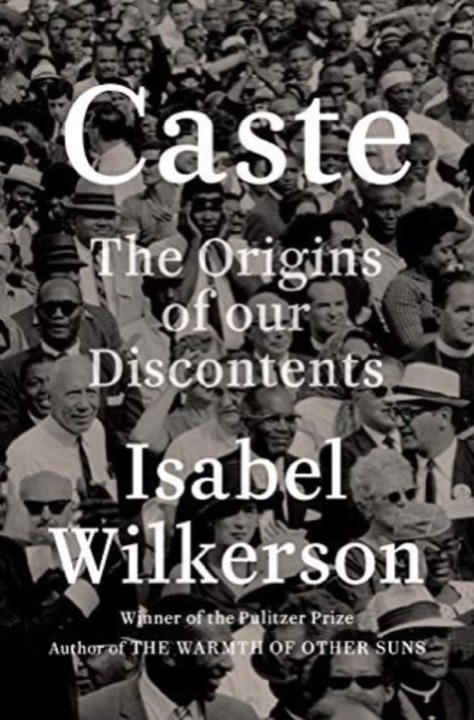
Caste: The Origins of Our Discontents
Applying the lessons from "Caste: The Origins of Our Discontents" by Isabel Wilkerson to your life involves a deep reflection on the social structures and hierarchies that influence your interactions and decisions. Here are some ways you might integrate these insights:
-
Awareness and Reflection: - Given your belief in kindness and empathy, you can further enhance your awareness of how caste-like structures might influence your perceptions and interactions. Reflect on any unconscious biases you may hold and consider how they might affect your relationships and decisions.
-
Empathy and Solidarity: - Your core values of kindness and empathy align well with the book's emphasis on understanding and supporting those affected by caste systems. Continue to foster empathy by actively listening to and learning from the experiences of marginalized communities. This can deepen your understanding and strengthen your solidarity with those facing systemic discrimination.
-
Advocacy and Activism: - You are already involved in advocacy work related to domestic abuse and anti-human trafficking. Consider expanding your efforts to include initiatives that address caste-based discrimination and inequality. Use your platform and influence to advocate for policies and practices that promote equality and dismantle hierarchical structures.
-
Education and Dialogue: - Engage in open dialogues about caste and social hierarchies with your family, friends, and colleagues. Share insights from the book to raise awareness and encourage others to reflect on these issues. Education is a powerful tool for challenging entrenched beliefs and fostering change.
-
Personal Growth and Development: - As someone committed to lifelong learning, use the book's insights to further your personal growth. Reflect on how caste dynamics might have influenced your own life and identity, and consider how you can contribute to creating a more equitable society.
-
Commitment to Change: - Your resilience and persistence can be powerful assets in challenging the status quo. Commit to being an agent of change by actively working to dismantle caste-like structures in your personal and professional life. This might involve mentoring others, supporting inclusive initiatives, or advocating for systemic change.
-
Living Your Values: - Continue to live by your values of kindness and empathy, recognizing that everyone is fighting their own battles. Use this understanding to approach others with compassion and to challenge any systems or behaviors that perpetuate inequality.
By integrating these lessons into your life, you can contribute to a more just and equitable society while staying true to your values and beliefs.
What the book covers
"Caste: The Origins of Our Discontents" by Isabel Wilkerson is a profound exploration of the unspoken caste system that has shaped America. Wilkerson, a Pulitzer Prize-winning author, delves into the hidden hierarchy of human divisions that have defined and divided societies throughout history. She draws parallels between the caste systems of America, India, and Nazi Germany, offering a compelling narrative that combines historical research, personal stories, and insightful analysis.
Summary:
-
Introduction to Caste: - Wilkerson introduces the concept of caste as a rigid social hierarchy that goes beyond race and class. She argues that caste is the infrastructure of human division, a fixed ranking of human value that sets the presumed supremacy of one group against the presumed inferiority of others.
-
The Eight Pillars of Caste: - The book outlines eight pillars that support caste systems: divine will and the laws of nature, heritability, endogamy and the control of marriage and mating, purity versus pollution, occupational hierarchy, dehumanization and stigma, terror as enforcement, and inherent superiority versus inherent inferiority.
-
Historical Context: - Wilkerson provides a historical overview of how the caste system has manifested in different societies. She examines the racial caste system in the United States, the varna system in India, and the Aryan supremacy ideology in Nazi Germany, highlighting the similarities and differences among them.
-
Personal Narratives: - The book is enriched with personal stories and anecdotes that illustrate the lived experiences of individuals affected by caste. Wilkerson shares her own experiences and those of others to provide a human face to the abstract concept of caste.
-
Caste and Race: - Wilkerson explores the relationship between caste and race, emphasizing that while race is often the visible marker of caste in America, caste is the underlying structure that perpetuates racial inequality. She argues that caste is the bones, race the skin.
-
Impact on Society: - The book discusses the profound impact of caste on individuals and society as a whole. It examines how caste shapes people's lives, opportunities, and interactions, often leading to systemic discrimination and social injustice.
-
Resistance and Change: - Wilkerson highlights examples of resistance against caste systems, from the Civil Rights Movement in the United States to the Dalit movement in India. She emphasizes the importance of acknowledging and dismantling caste to achieve true equality and justice.
Key Takeaways and Lessons:
- Understanding Caste:
-
Recognizing caste as a fundamental social structure helps in understanding the persistent inequalities and divisions in society. It is crucial to see beyond race and class to address the root causes of discrimination.
-
Interconnectedness of Caste Systems:
-
The parallels between different caste systems highlight the universal nature of human hierarchies and the need for a global perspective in addressing social injustice.
-
Importance of Awareness:
-
Awareness and acknowledgment of caste dynamics are essential steps toward dismantling these systems. Education and open dialogue can help challenge and change entrenched beliefs and practices.
-
Role of Empathy and Solidarity:
-
Empathy and solidarity across caste lines are vital for fostering understanding and unity. Building alliances and supporting marginalized communities can drive meaningful change.
-
Commitment to Change:
- Lasting change requires a commitment to challenging the status quo and advocating for policies and practices that promote equality and dismantle caste-based discrimination.
"Caste: The Origins of Our Discontents" is a powerful call to action, urging readers to confront the invisible yet pervasive caste system and work towards a more just and equitable society.