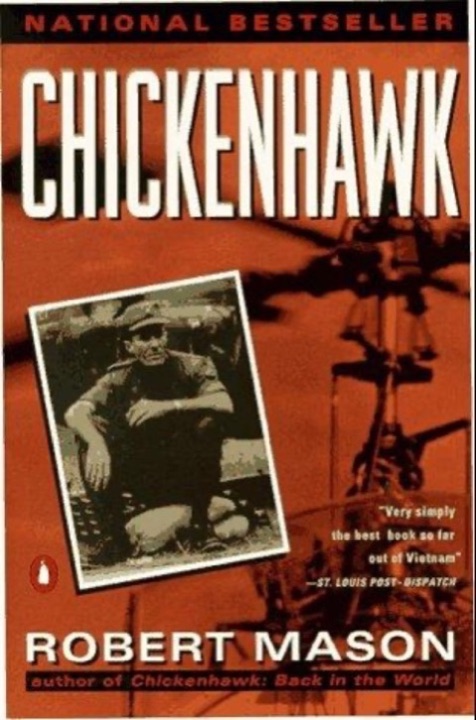
Chickenhawk
Applying the lessons from "Chickenhawk" by Robert Mason to your life involves reflecting on the themes and experiences Mason shares and considering how they resonate with your own beliefs, values, and experiences. Here are some ways you might integrate these lessons:
-
Embrace the Reality of Life's Challenges: Just as Mason provides an unvarnished look at the Vietnam War, you can embrace the reality of life's challenges without romanticizing them. Acknowledge the difficulties you face, whether in your personal or professional life, and approach them with honesty and resilience.
-
Acknowledge and Address Psychological Impact: Mason's experiences highlight the psychological toll of intense situations. Reflect on your own near-death experiences and consider how they have impacted you psychologically. Ensure you take time for self-care and seek support if needed to process any lingering effects.
-
Value Camaraderie and Connection: The strong bonds formed between soldiers in Mason's narrative can remind you of the importance of camaraderie and connection in your own life. Cherish the relationships you have with family, friends, and colleagues, and continue to foster these connections.
-
Navigate Moral Complexity with Empathy: Mason's story raises questions about morality and decision-making in complex situations. Apply this lesson by approaching ethical dilemmas in your life with empathy and understanding, striving to make decisions that align with your core values of kindness and empathy.
-
Cultivate Resilience and Recovery: Mason's journey is one of resilience, despite the trauma he endures. Reflect on your own resilience in the face of adversity and continue to cultivate this strength. Embrace the idea that failures and challenges can lead to personal growth and recovery.
-
Live with Purpose and Presence: Mason's reflections on the war's impact on his life can inspire you to live with purpose and presence. Focus on being present in the moment, as you aspire to do, and continue to pursue activities and goals that align with your values and aspirations.
-
Support Others in Their Battles: Your belief that "everyone you meet is fighting a battle you know nothing about" aligns with the themes of camaraderie and support in "Chickenhawk." Continue to approach others with kindness and empathy, offering support and understanding in their struggles.
By integrating these lessons into your life, you can continue to grow and evolve, drawing on the insights from Mason's memoir to enhance your own journey.
What the book covers
"Chickenhawk" is a memoir by Robert Mason, published in 1983, that recounts his experiences as a helicopter pilot during the Vietnam War. The book provides a vivid and personal account of the war, detailing both the intense combat situations and the psychological impact on soldiers.
Summary:
Early Life and Training: The book begins with Mason's early life and his decision to join the Army. He undergoes rigorous training to become a helicopter pilot, learning to fly the UH-1 Iroquois, commonly known as the "Huey." This section highlights the challenges and excitement of mastering helicopter flight.
Deployment to Vietnam: Mason is deployed to Vietnam in 1965 as part of the 1st Cavalry Division (Airmobile). He describes the initial culture shock and the harsh realities of war. The narrative provides a detailed look at the daily life of a helicopter pilot, including the constant danger, the camaraderie among soldiers, and the moral complexities they face.
Combat Missions: The core of the book focuses on Mason's combat missions. He vividly describes the adrenaline rush of flying into battle, the chaos of firefights, and the ever-present threat of being shot down. Mason's accounts of evacuating wounded soldiers and transporting troops offer a ground-level view of the war's brutality.
Psychological Impact: As the war progresses, Mason begins to experience the psychological toll of combat. He describes feelings of fear, guilt, and disillusionment. The stress of constant danger and the loss of fellow soldiers weigh heavily on him, leading to a growing sense of alienation and questioning of the war's purpose.
Return to Civilian Life: After his tour in Vietnam, Mason returns to the United States, but he struggles to adjust to civilian life. He faces difficulties in finding employment and dealing with the lingering effects of his wartime experiences. The book concludes with Mason's reflections on the war and its impact on his life.
Key Takeaways and Lessons:
-
The Reality of War: "Chickenhawk" provides an unvarnished look at the Vietnam War, highlighting the chaos, fear, and moral ambiguity faced by soldiers. It challenges romanticized notions of war by presenting its harsh realities.
-
Psychological Impact: The memoir underscores the long-term psychological effects of combat, including PTSD. Mason's experiences illustrate the challenges veterans face in reintegrating into civilian life.
-
Camaraderie and Isolation: The book highlights the strong bonds formed between soldiers in combat, as well as the isolation they can feel upon returning home. This duality is a central theme in understanding the veteran experience.
-
Moral Complexity: Mason's narrative raises questions about the morality of war and the decisions made by those in power. It encourages readers to consider the ethical implications of military conflict.
-
Resilience and Recovery: Despite the trauma he endures, Mason's story is also one of resilience. His journey reflects the possibility of recovery and finding meaning after experiencing profound adversity.
Overall, "Chickenhawk" is a powerful and personal account of the Vietnam War, offering insights into the experiences of helicopter pilots and the broader implications of military service.