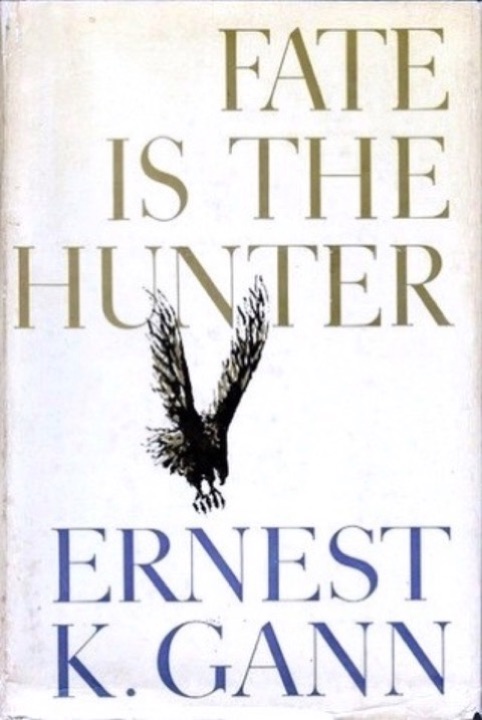
Fate is the Hunter
Applying the lessons from "Fate is the Hunter" by Ernest K. Gann to your life can be a meaningful exercise, especially given your experiences and personal philosophy. Here are some ways you might integrate the book's themes into your life:
-
Embrace the Unpredictability of Fate: - Like Gann, you've had near-death experiences that reinforce the unpredictability of life. Continue to embrace this unpredictability by living fully in the moment and appreciating each day as it comes. Your aspiration to live in the moment aligns well with this lesson.
-
Respect for Nature and Technology: - As a pilot and someone who values technology, maintain a healthy respect for the forces of nature and the limitations of technology. This respect can guide your decisions and actions, ensuring you remain humble and prepared for the unexpected.
-
Value Intuition and Experience: - Your life experiences have shaped your intuition and judgment. Trust these instincts, especially when faced with unforeseen challenges. Your ability to remain calm under pressure is a testament to this lesson.
-
Resilience and Adaptability: - Your resilience is one of your greatest strengths. Continue to cultivate this trait by adapting to new situations and challenges with flexibility and grace. Your daily routine and commitment to personal growth reflect this adaptability.
-
Camaraderie and Shared Experience: - Gann emphasizes the bond between pilots, which can be applied to your relationships. Value the connections you have with others, whether in your personal or professional life, and continue to support those around you.
-
Philosophical Reflections on Fate: - Engage in philosophical reflections about fate and the human condition, as Gann does. Your belief in reincarnation and the journey of gaining knowledge aligns with this theme. Use these reflections to guide your actions and decisions.
-
Acceptance of Fate's Role: - Accept that some aspects of life are beyond your control. While you strive to make informed decisions, recognize that fate may play a role in the outcomes. This acceptance can bring peace and reduce anxiety about the future.
-
Live with Purpose and Kindness: - Your core values of kindness and empathy are central to your life. Continue to live with purpose, guided by these values, and strive to make a positive impact on those around you.
By integrating these lessons into your life, you can continue to navigate the complexities of existence with resilience, humility, and a deep appreciation for the journey.
What the book covers
"Fate is the Hunter" by Ernest K. Gann is a memoir that recounts the author's experiences as a commercial and military pilot during the early and mid-20th century. The book is a reflective and philosophical exploration of the nature of flying, the unpredictability of fate, and the human spirit's resilience in the face of danger.
Summary:
-
Early Flying Experiences: - Gann begins by detailing his initial fascination with aviation and his early training as a pilot. He describes the challenges and excitement of learning to fly, emphasizing the technical and emotional demands of piloting.
-
Commercial Aviation: - The narrative shifts to Gann's career in commercial aviation, where he flies for various airlines. He provides vivid accounts of the early days of commercial flight, highlighting the primitive technology and the reliance on pilot skill and intuition.
-
World War II: - During World War II, Gann serves as a pilot in the Air Transport Command. He recounts harrowing flights over the treacherous terrain of the Himalayas, known as "The Hump," and other perilous missions. These experiences underscore the dangers faced by pilots during wartime.
-
Encounters with Fate: - Throughout the book, Gann reflects on the concept of fate, often attributing survival in dangerous situations to luck or destiny. He shares stories of close calls, mechanical failures, and unpredictable weather, illustrating how pilots must constantly adapt and make split-second decisions.
-
Human Element: - Gann emphasizes the camaraderie among pilots and the shared understanding of the risks involved in flying. He portrays the pilots as a unique breed, bonded by their love of flying and their acceptance of its inherent dangers.
-
Philosophical Reflections: - The memoir is interspersed with Gann's philosophical musings on fate, chance, and the human condition. He questions the role of fate in the outcomes of flights and the lives of pilots, pondering whether survival is a matter of skill, luck, or something beyond human control.
Key Takeaways and Lessons:
- Respect for Nature and Technology:
-
Gann's experiences highlight the importance of respecting both the power of nature and the limitations of technology. Pilots must be prepared for the unexpected and remain humble in the face of forces beyond their control.
-
Skill and Intuition:
-
While technology and training are crucial, Gann underscores the value of intuition and experience. Pilots must rely on their instincts and judgment, especially when confronted with unforeseen challenges.
-
The Role of Fate:
-
A central theme is the unpredictable nature of fate. Gann suggests that while pilots can prepare and train, there are elements of flying that remain beyond human control, and sometimes survival is a matter of chance.
-
Resilience and Adaptability:
-
The memoir illustrates the resilience and adaptability required of pilots. Gann's stories demonstrate the need to remain calm under pressure and to adapt quickly to changing circumstances.
-
Camaraderie and Shared Experience:
- The bond between pilots is a recurring theme. Gann highlights the importance of mutual support and understanding among those who share the unique challenges of flying.
"Fate is the Hunter" is not just a memoir about aviation; it is a profound exploration of the human experience, the limits of control, and the acceptance of fate's role in life. Gann's narrative is both a tribute to the pilots of his era and a philosophical inquiry into the nature of destiny.