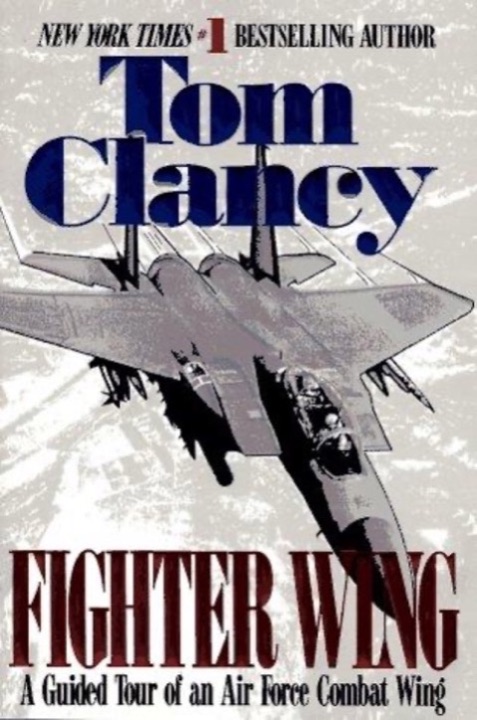
Fighter Wing
Applying the lessons from "Fighter Wing" by Tom Clancy to your life can be insightful, especially considering your experiences and values. Here are some ways you might integrate these lessons:
-
Technological Superiority and Adaptation: - Just as fighter wings must maintain technological superiority, you can apply this principle by staying updated with advancements in your field, whether in medicine, aviation, or any other area of interest. Embrace continuous learning and innovation to remain effective and relevant.
-
Training and Preparedness: - The rigorous training of fighter pilots parallels your commitment to personal growth and resilience. Continue to hone your skills and prepare for life's challenges, whether through physical fitness, mental exercises, or professional development.
-
Integration and Coordination: - Fighter wings work closely with other military branches, highlighting the importance of teamwork and collaboration. In your life, foster strong relationships and networks, whether in your personal or professional circles, to achieve common goals and support each other.
-
Strategic Importance of Air Superiority: - Achieving air superiority is akin to gaining a strategic advantage in life. Identify areas where you can leverage your strengths, such as resilience and humor, to navigate challenges and seize opportunities.
-
Future Challenges and Innovation: - Just as fighter wings face evolving threats, anticipate future challenges in your life and career. Stay proactive in seeking solutions and adapting to changes, whether through technological advancements or shifts in societal norms.
-
Resilience and Persistence: - Your personal philosophy of "Never, ever quit" aligns with the persistence required in aerial combat. Continue to apply this mindset to overcome obstacles and pursue your aspirations, such as living in the moment or achieving personal growth.
-
Embracing Failure as a Learning Opportunity: - Fighter wings learn from past missions to improve future performance. Similarly, view failures as valuable lessons that contribute to your growth and understanding, reinforcing your belief that every experience shapes who you are.
By integrating these lessons into your life, you can enhance your ability to navigate challenges, seize opportunities, and continue your journey of personal and professional development.
What the book covers
"Fighter Wing" by Tom Clancy is a non-fiction book that delves into the world of modern military aviation, focusing on the operations, technology, and strategy of fighter wings in the United States Air Force. The book is part of Clancy's non-fiction series, where he explores various aspects of military and intelligence operations with the help of experts in the field.
Summary:
-
Introduction to Fighter Wings: - Clancy provides an overview of what constitutes a fighter wing, detailing its structure, personnel, and the roles it plays within the broader context of the Air Force and military operations.
-
Aircraft and Technology: - The book examines the various types of aircraft used in fighter wings, such as the F-15 Eagle, F-16 Fighting Falcon, and F-22 Raptor. Clancy discusses the technological advancements that make these aircraft formidable tools of war, including avionics, stealth capabilities, and weapon systems.
-
Training and Tactics: - Clancy explores the rigorous training programs that pilots undergo, emphasizing the importance of skill, precision, and adaptability. He also delves into the tactics employed by fighter wings during combat operations, highlighting the strategic thinking required to succeed in aerial warfare.
-
Historical Context and Case Studies: - The book provides historical context by examining past conflicts and the evolution of air combat. Clancy includes case studies of specific missions and operations to illustrate the practical application of fighter wing capabilities.
-
The Role of Fighter Wings in Modern Warfare: - Clancy discusses the strategic importance of air superiority and the role fighter wings play in achieving and maintaining it. He examines how fighter wings integrate with other branches of the military and their contribution to joint operations.
-
Challenges and Future Developments: - The book addresses the challenges faced by fighter wings, such as budget constraints, technological advancements by adversaries, and the need for continuous innovation. Clancy speculates on the future of air combat and the potential developments in aircraft technology and strategy.
Key Takeaways and Lessons:
-
Technological Superiority: Maintaining technological superiority is crucial for the effectiveness of fighter wings. Continuous innovation and adaptation are necessary to counter evolving threats.
-
Training and Preparedness: Rigorous training and preparedness are essential for pilots and support personnel. The ability to adapt to changing situations and environments is a key component of success in aerial combat.
-
Integration and Coordination: Fighter wings must work in close coordination with other military branches to achieve strategic objectives. Effective communication and integration are vital for successful joint operations.
-
Strategic Importance of Air Superiority: Achieving air superiority is a critical component of modern warfare, providing a significant advantage in both offensive and defensive operations.
-
Future Challenges: The future of fighter wings will be shaped by advancements in technology, changes in geopolitical landscapes, and the emergence of new threats. Staying ahead of these challenges requires foresight and strategic planning.
Overall, "Fighter Wing" offers an in-depth look at the complexities and challenges of modern air combat, providing readers with a comprehensive understanding of the role fighter wings play in national defense.