Forgotten Aviators
Applying the lessons from "Forgotten Aviators" by Barry S. Martin to your life can be a meaningful endeavor, especially given your rich experiences and values. Here are some ways you might integrate these lessons:
-
Persistence and Passion: - Your life already exemplifies persistence and passion, especially in your career and personal pursuits. Continue to embrace challenges with the same determination, knowing that setbacks are part of the journey. Your experiences with near-death situations and your commitment to living life fully align with this lesson.
-
Diversity in Innovation: - As someone who values kindness and empathy, you can further champion diversity and inclusion in your personal and professional circles. Encourage diverse perspectives and support initiatives that promote equality, reflecting the universal appeal and challenge of flight that the book highlights.
-
Importance of Historical Recognition: - Consider ways to honor and recognize unsung heroes in your field or community. This could involve mentoring young professionals, sharing stories of lesser-known contributors, or supporting initiatives that bring attention to overlooked achievements.
-
Learning from the Past: - Reflect on your own experiences and how they have shaped you. Use these reflections to guide your future actions and decisions, ensuring that you continue to grow and learn from both successes and failures. Your approach to personal growth as a lifelong learner aligns well with this lesson.
-
Rediscovery and Recognition: - Just as the book discusses efforts to rediscover forgotten aviators, you can focus on rediscovering and nurturing aspects of yourself or your relationships that may have been overlooked. This could involve pursuing new hobbies, like skydiving, or deepening connections with loved ones.
-
Living in the Moment: - The book's emphasis on recognizing contributions aligns with your aspiration to live in the moment. Practice mindfulness and gratitude, appreciating each experience and interaction as it comes. This can help you achieve the presence and comfort in your own skin that you define as success.
By integrating these lessons into your life, you can continue to honor the values and beliefs that guide you while also embracing new opportunities for growth and connection.
What the book covers
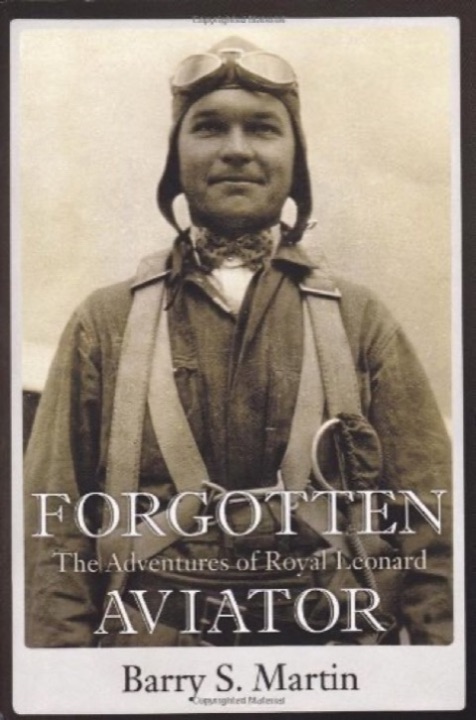
"Forgotten Aviators" by Barry S. Martin delves into the often overlooked stories of pioneering aviators who made significant contributions to the field of aviation but did not receive the recognition they deserved. The book is a meticulously researched account that brings to light the achievements and challenges faced by these individuals, set against the backdrop of the rapidly evolving world of early aviation.
Summary:
-
Introduction to Early Aviation: - The book begins with an overview of the early days of aviation, highlighting the excitement and danger of flight during its nascent stages. It sets the stage for understanding the context in which these aviators operated.
-
Profiles of Forgotten Aviators: - Martin presents detailed profiles of several aviators, each chapter dedicated to a different individual or group. These profiles include personal backgrounds, motivations for pursuing aviation, and the specific contributions each made to the field. - The book covers a diverse range of aviators, including women and people from various ethnic backgrounds, emphasizing the universal appeal and challenge of flight.
-
Challenges and Obstacles: - The narrative explores the numerous obstacles these aviators faced, from technical and financial difficulties to societal and institutional barriers. Martin highlights how these challenges often overshadowed their achievements, leading to their eventual obscurity.
-
Technological and Cultural Impact: - The book examines the technological advancements these aviators contributed to, such as innovations in aircraft design and navigation techniques. It also discusses their cultural impact, including how they inspired future generations of aviators and engineers.
-
Reasons for Obscurity: - Martin analyzes why these aviators were forgotten, attributing it to factors such as lack of documentation, overshadowing by more famous contemporaries, and historical biases that favored certain narratives over others.
-
Rediscovery and Recognition: - The book concludes with efforts to rediscover and recognize these aviators' contributions. Martin discusses modern initiatives to honor their legacies, including museum exhibits, documentaries, and academic research.
Key Takeaways and Lessons:
- Persistence and Passion:
-
The stories of these aviators underscore the importance of persistence and passion in the face of adversity. Their dedication to aviation, despite numerous setbacks, serves as an inspiration for anyone pursuing a challenging path.
-
Diversity in Innovation:
-
The book highlights the diverse backgrounds of these aviators, illustrating that innovation and progress often come from a wide range of perspectives and experiences.
-
Importance of Historical Recognition:
-
Martin emphasizes the need to recognize and celebrate contributions from all individuals, not just those who are widely known. This broader recognition enriches our understanding of history and ensures that valuable contributions are not lost.
-
Learning from the Past:
- By examining the lives of these forgotten aviators, readers can learn valuable lessons about resilience, creativity, and the impact of societal structures on individual success.
"Forgotten Aviators" is a compelling read that not only sheds light on neglected historical figures but also encourages a more inclusive and comprehensive view of history.