Leadership
Applying the lessons from Doris Kearns Goodwin's "Leadership in Turbulent Times" to your life can be a meaningful way to enhance your personal and professional growth. Here are some ways you might integrate these lessons:
-
Resilience and Adaptability: - Reflect on your experiences, such as surviving plane crashes, and recognize your resilience. Use these experiences to adapt to new challenges, knowing you have the strength to overcome adversity.
-
Empathy and Communication: - Your core values of kindness and empathy align with the leadership qualities discussed in the book. Continue to approach interactions with understanding and effective communication, whether in your personal relationships or professional settings.
-
Moral Purpose: - Your commitment to social issues like equality and anti-human trafficking reflects a strong moral purpose. Keep using this as a guiding principle in your decisions and actions, ensuring they align with your values.
-
Innovation and Experimentation: - Embrace your forward-thinking attitude towards technology and societal advancements. Be open to experimenting with new ideas and approaches, whether in your medical career or personal pursuits like flying and cooking.
-
Collaboration and Team Building: - Leverage your ability to build strong relationships, as seen in your close family ties and friendships. Foster collaboration in your professional life by valuing diverse perspectives and creating supportive environments.
-
Persistence and Tenacity: - Your superpower of persistence is a key leadership trait. Continue to apply this tenacity in achieving your goals, whether it's advocating for social issues or pursuing personal aspirations like skydiving.
-
Learning from Failures: - Recognize the value of failures as opportunities for growth. Reflect on past experiences, such as the regret of not seeing your father, to inform future decisions and actions.
-
Living in the Moment: - Strive to achieve your aspiration of living in the moment. Practice mindfulness and presence in your daily activities, whether spending time with your grandchild or enjoying a perfect day.
-
Balancing Strengths and Weaknesses: - Continue to evaluate your strengths and weaknesses, such as impulsivity and lack of balance. Use self-reflection to improve and maintain a balanced approach to life.
-
Legacy and Impact:
- Consider how you want to be remembered and the impact you wish to leave. Align your actions with this vision, ensuring you live each day with purpose and kindness.
By integrating these leadership lessons into your life, you can continue to grow as an individual and make a positive impact on those around you.
What the book covers
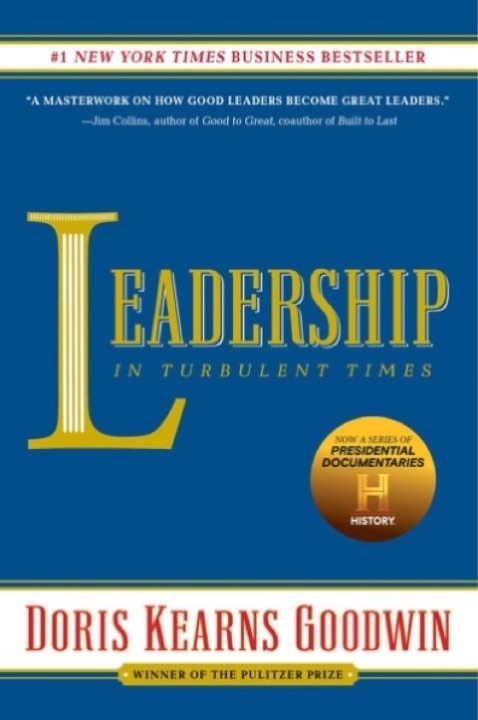
"Leadership in Turbulent Times" by Doris Kearns Goodwin is a compelling exploration of the leadership qualities and strategies of four U.S. presidents: Abraham Lincoln, Theodore Roosevelt, Franklin D. Roosevelt, and Lyndon B. Johnson. Goodwin, a renowned presidential historian, delves into the personal and political challenges these leaders faced and how they navigated crises to emerge as effective leaders.
Summary:
-
Introduction: Goodwin sets the stage by discussing the concept of leadership and the qualities that define great leaders. She emphasizes that leadership is not innate but developed through experience, resilience, and a commitment to a larger purpose.
-
Abraham Lincoln: Transformational Leadership - Crisis: Lincoln faced the Civil War, a nation divided over slavery. - Leadership Style: He demonstrated empathy, humility, and a strong moral compass. - Key Actions: Lincoln's ability to communicate effectively, his strategic patience, and his commitment to preserving the Union were crucial. - Outcome: His leadership led to the abolition of slavery and the preservation of the United States.
-
Theodore Roosevelt: Crisis Management - Crisis: Roosevelt dealt with the challenges of industrialization and economic disparity. - Leadership Style: Charismatic and energetic, he was a reformer who believed in the power of government to improve lives. - Key Actions: Roosevelt's "Square Deal" policies aimed at fairness for workers, consumers, and businesses. - Outcome: He strengthened the role of the presidency and implemented significant progressive reforms.
-
Franklin D. Roosevelt: Innovative Leadership - Crisis: FDR faced the Great Depression and later, World War II. - Leadership Style: He was adaptive, optimistic, and willing to experiment. - Key Actions: The New Deal programs and his fireside chats helped restore public confidence and economic stability. - Outcome: FDR's leadership transformed the federal government's role in American life and helped lead the Allies to victory in WWII.
-
Lyndon B. Johnson: Visionary Leadership - Crisis: Johnson tackled civil rights issues and poverty. - Leadership Style: He was persuasive, pragmatic, and relentless in pursuing his goals. - Key Actions: The Civil Rights Act and the Great Society programs aimed at eliminating racial injustice and poverty. - Outcome: Johnson's leadership led to significant social reforms, though his legacy was complicated by the Vietnam War.
Key Takeaways and Lessons:
- Resilience and Adaptability: Each leader faced significant challenges and adapted their strategies to meet the demands of their times.
- Empathy and Communication: Effective leaders understand and connect with the people they lead, using communication as a powerful tool.
- Moral Purpose: A strong sense of purpose and commitment to a greater good can guide leaders through turbulent times.
- Innovation and Experimentation: Willingness to try new approaches and learn from failures is crucial for effective leadership.
- Collaboration and Team Building: Successful leaders build strong teams and leverage the strengths of those around them.
Goodwin's book underscores that while each leader had a unique style, they shared common traits that enabled them to lead effectively during times of crisis. The lessons from their leadership are timeless and applicable to modern challenges.