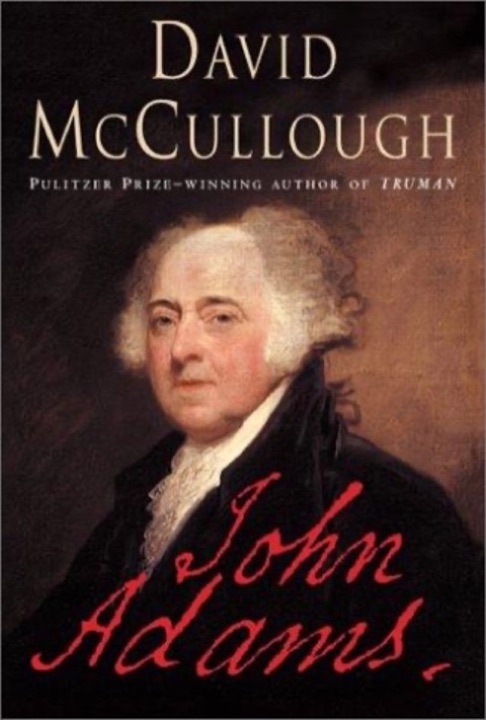
John Adams
Applying the lessons from "John Adams" by David McCullough to your life can be a meaningful exercise, especially given your rich personal experiences and values. Here are some ways you might integrate these lessons:
-
Principled Leadership: - Like John Adams, you can continue to lead with integrity and principle, even when it's challenging. Your commitment to kindness and empathy aligns with Adams' dedication to doing what he believed was right, regardless of popularity.
-
Importance of Diplomacy: - Your experiences in emergency situations and your approach to handling criticism show a diplomatic side. You can further hone these skills by continuing to seek consensus and understanding in your interactions, much like Adams did in his diplomatic efforts.
-
Complexity of Politics: - Given your political independence and the impact of major political events on your views, you can appreciate the complexities of politics as Adams did. This understanding can help you navigate political discussions with an open mind and a focus on common ground.
-
Personal Sacrifice: - Adams' sacrifices for the greater good mirror your own experiences, such as the personal sacrifices you've made in your career and activism. Recognize the value of these sacrifices in contributing to a larger purpose.
-
Legacy of Correspondence: - Your communication style and the importance you place on relationships can be enriched by maintaining meaningful correspondence, much like Adams and Jefferson. This can deepen your connections and provide a lasting legacy of your thoughts and values.
-
Historical Perspective: - Embrace the idea of being a lifelong learner, as you already do, by continually seeking historical perspectives to inform your understanding of current events and personal growth.
By reflecting on these lessons, you can continue to live a life that aligns with your values and aspirations, while also drawing inspiration from the life and legacy of John Adams.
What the book covers
"John Adams" by David McCullough is a comprehensive biography of the second President of the United States, offering a detailed look into his life, character, and contributions to the founding of the nation. McCullough's work is celebrated for its depth of research and engaging narrative style, bringing to life the complexities of Adams' personal and political journey.
Summary:
Early Life and Career: - John Adams was born in 1735 in Braintree, Massachusetts. He was a Harvard-educated lawyer who became a prominent figure in the American Revolution. - Adams was known for his strong principles and dedication to the cause of independence, which often put him at odds with others but also earned him respect.
Role in the American Revolution: - Adams was a key advocate for independence, playing a crucial role in the Continental Congress and helping to draft the Declaration of Independence. - His diplomatic skills were instrumental in securing French support during the Revolutionary War.
Diplomatic Service: - Adams served as a diplomat in Europe, where he negotiated the Treaty of Paris, which ended the Revolutionary War. - His time abroad was challenging, marked by financial difficulties and separation from his family, but it was crucial in establishing the United States' international presence.
Vice Presidency and Presidency: - Adams served as the first Vice President under George Washington, a role he found frustrating due to its limited power. - As the second President, Adams faced numerous challenges, including tensions with France and internal political strife. His decision to avoid war with France, despite pressure from his own party, was a significant achievement.
Later Life and Legacy: - After losing the presidency to Thomas Jefferson, Adams retired to his farm in Quincy, Massachusetts, where he continued to write and reflect on his life and the future of the nation. - His extensive correspondence with Jefferson later in life is a testament to his intellectual vigor and commitment to the principles of the republic.
Key Takeaways and Lessons:
-
Principled Leadership: - Adams exemplified leadership grounded in principle rather than popularity. His commitment to what he believed was right often came at personal and political cost, but it underscored his integrity.
-
Importance of Diplomacy: - Adams' diplomatic efforts highlight the importance of negotiation and international relations in securing and maintaining national interests.
-
Complexity of Politics: - The book illustrates the complexities and challenges of early American politics, including the formation of political parties and the balancing of differing ideologies.
-
Personal Sacrifice: - Adams' life demonstrates the personal sacrifices made by many of the founding fathers, including long periods away from family and the stress of public service.
-
Legacy of Correspondence: - The letters between Adams and Jefferson offer insights into the philosophical underpinnings of the American experiment and the enduring friendship between two political rivals.
-
Historical Perspective: - McCullough provides a nuanced view of Adams, portraying him as a flawed but deeply committed individual whose contributions were vital to the nation's founding.
Overall, "John Adams" is not just a biography of a single man but a portrait of the birth of a nation, offering valuable lessons on leadership, governance, and the enduring impact of personal conviction in public life.