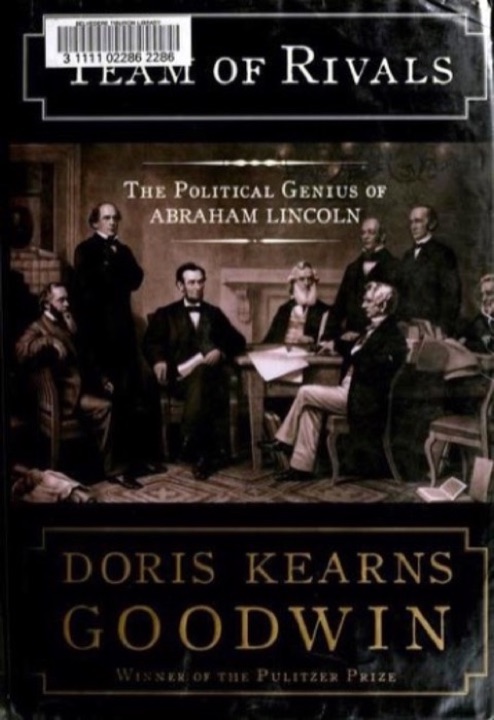
Team of Rivals
Applying the lessons from "Team of Rivals" by Doris Kearns Goodwin to your life can enhance your leadership skills and interpersonal relationships. Here are some ways you might integrate these lessons:
-
Inclusive Leadership: - Embrace diversity in your personal and professional circles. Just as Lincoln brought together a team with differing viewpoints, you can seek out and value diverse perspectives in your decision-making processes. This can lead to more balanced and informed outcomes.
-
Empathy and Humility: - Continue to practice empathy and humility, which are already core values for you. Use these traits to connect with others on a deeper level, fostering loyalty and collaboration. Your belief in kindness aligns well with Lincoln's approach to leadership.
-
Effective Communication: - Enhance your communication skills by articulating your vision and rationale clearly, as Lincoln did. This can help you gain and maintain support from those around you, whether in personal relationships or professional settings.
-
Crisis Management: - Apply Lincoln's strategic patience and timing to your own crisis management. In stressful situations, your ability to remain calm and composed is a strength. Use this to navigate challenges thoughtfully and effectively.
-
Moral Leadership: - Stay committed to your principles, such as equality and kindness. Let these guide your actions and decisions, just as Lincoln's commitment to abolition shaped his leadership. Your involvement in activism and advocacy reflects this moral leadership.
-
Balancing Personal and Professional Dynamics: - Like Lincoln, balance personal and professional relationships by understanding and managing different dynamics. Your ability to forgive and reconcile can help maintain harmony and productivity in your interactions.
-
Persistence and Resilience: - Your superpower of persistence aligns with Lincoln's tenacity. Continue to apply this resilience in pursuing your goals and overcoming obstacles, whether in personal growth or professional endeavors.
By integrating these lessons into your life, you can enhance your leadership capabilities and strengthen your relationships, ultimately contributing to your personal and professional success.
What the book covers
"Team of Rivals: The Political Genius of Abraham Lincoln" by Doris Kearns Goodwin is a comprehensive biography that explores the leadership style and political acumen of Abraham Lincoln, focusing particularly on his interactions with his cabinet members, many of whom were his political rivals. The book provides an in-depth look at how Lincoln's ability to empathize, communicate, and manage relationships was crucial to his success as a leader during one of the most tumultuous periods in American history.
Summary:
-
Formation of the Cabinet: - Lincoln, after winning the presidency in 1860, appointed several of his former political opponents to key positions in his cabinet. This included William H. Seward (Secretary of State), Salmon P. Chase (Secretary of the Treasury), and Edward Bates (Attorney General). By doing so, Lincoln created a "team of rivals" that brought together diverse perspectives and expertise.
-
Leadership Style: - Lincoln's leadership was characterized by his humility, empathy, and ability to listen. He was adept at managing egos and conflicts within his cabinet, often using humor and storytelling to diffuse tension. His willingness to share credit and accept blame helped him maintain the loyalty and respect of his team.
-
Crisis Management: - The book details how Lincoln navigated the Civil War, balancing military strategy with political considerations. His ability to communicate effectively with both his cabinet and the public was crucial in maintaining support for the war effort and the abolition of slavery.
-
Emancipation Proclamation: - A significant focus is on Lincoln's decision to issue the Emancipation Proclamation. Goodwin illustrates how Lincoln carefully timed this decision to maximize its impact, ensuring it was both a moral and strategic move to weaken the Confederacy and redefine the purpose of the war.
-
Personal Relationships: - Lincoln's personal relationships, including his friendship with Seward and his contentious interactions with Chase, are explored to show how he balanced personal and professional dynamics. His ability to forgive and reconcile with those who opposed him is highlighted as a key aspect of his leadership.
Key Takeaways and Lessons:
-
Inclusive Leadership: - Lincoln's approach to leadership demonstrates the power of inclusivity and diversity. By bringing together a team with differing viewpoints, he was able to make more informed and balanced decisions.
-
Empathy and Humility: - Lincoln's empathy allowed him to understand and connect with others, fostering loyalty and collaboration. His humility enabled him to learn from mistakes and adapt to changing circumstances.
-
Communication: - Effective communication was central to Lincoln's leadership. His ability to articulate his vision and rationale helped him gain and maintain public and political support.
-
Crisis Management: - Lincoln's tenure illustrates the importance of steady and thoughtful crisis management. His strategic patience and timing were crucial in navigating the Civil War and achieving his goals.
-
Moral Leadership: - Lincoln's commitment to principles, such as the abolition of slavery, underscores the importance of moral leadership. His decisions were guided by a strong ethical compass, which ultimately shaped the nation's future.
"Team of Rivals" not only provides a detailed account of Lincoln's presidency but also offers timeless lessons on leadership, collaboration, and the power of character in overcoming adversity.