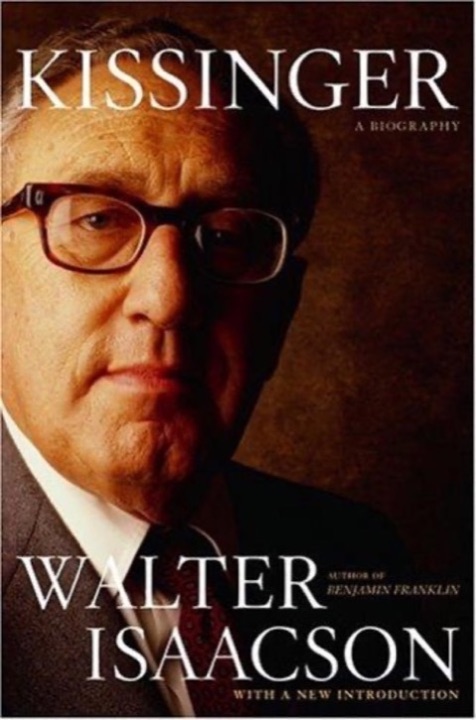
Kissinger: A Biography
Applying the lessons from "Kissinger: A Biography" by Walter Isaacson to your life can be insightful, especially considering your rich personal experiences and values. Here are some ways you might integrate these lessons:
-
Complexity of Diplomacy: - Given your background in medicine and advocacy, you already navigate complex situations requiring ethical decision-making. Embrace the complexity of these situations and continue to prioritize empathy and kindness, understanding that sometimes difficult decisions must be made for the greater good.
-
Strategic Thinking: - Your ability to remain calm and make quick decisions in high-pressure situations aligns with Kissinger's strategic thinking. Continue to hone this skill by anticipating challenges and considering the motivations of others, whether in personal relationships or professional settings.
-
Balancing Power: - In your advocacy work, consider how balancing power dynamics can lead to more equitable outcomes. Use your influence to empower others and create stability in your community, much like Kissinger sought to maintain balance in international relations.
-
Controversy and Ethics: - Your ethical beliefs guide your actions, similar to how Kissinger navigated controversies. Reflect on the long-term implications of your decisions and remain open to feedback, ensuring your actions align with your core values of kindness and empathy.
-
Legacy of Realpolitik: - While you may not align with all aspects of realpolitik, the pragmatic approach can be useful in achieving your goals. Focus on practical solutions that align with your values, and use your persistence to drive positive change in areas you are passionate about, such as social equality and technological advancement.
By integrating these lessons, you can continue to make a meaningful impact in your personal and professional life, while staying true to your values and aspirations.
What the book covers
"Kissinger: A Biography" by Walter Isaacson is an in-depth exploration of the life and career of Henry Kissinger, one of the most influential and controversial figures in American foreign policy during the latter half of the 20th century. Isaacson, known for his detailed and insightful biographies, delves into Kissinger's complex personality, his strategic mind, and the significant impact he had on global affairs.
Summary:
-
Early Life and Education: - The book begins with Kissinger's early life in Germany, his family's escape from Nazi persecution, and their immigration to the United States. It highlights his academic brilliance and his studies at Harvard, where he developed his ideas on diplomacy and international relations.
-
Rise to Power: - Isaacson traces Kissinger's rise through the academic world and his eventual entry into government service. His work on nuclear strategy and his role as a consultant to various government agencies set the stage for his appointment as National Security Advisor and later Secretary of State under Presidents Nixon and Ford.
-
Diplomatic Achievements: - The biography covers Kissinger's major diplomatic initiatives, including the opening of relations with China, détente with the Soviet Union, and the negotiation of the Paris Peace Accords to end the Vietnam War. Isaacson provides detailed accounts of these events, highlighting Kissinger's strategic thinking and negotiation skills.
-
Controversies and Criticisms: - Kissinger's career was not without controversy. The book examines criticisms of his role in the bombing of Cambodia, his involvement in the Chilean coup, and his handling of the Yom Kippur War. Isaacson presents a balanced view, acknowledging both the criticisms and Kissinger's justifications for his actions.
-
Legacy and Influence: - The latter part of the book reflects on Kissinger's legacy, both as a statesman and as a thinker. Isaacson discusses how Kissinger's ideas on realpolitik and balance of power continue to influence American foreign policy.
Key Takeaways and Lessons:
- Complexity of Diplomacy:
-
Kissinger's career illustrates the complexity of international diplomacy and the difficult moral and ethical decisions that leaders must make. His pragmatic approach often prioritized national interest over ideological considerations.
-
Strategic Thinking:
-
Kissinger's ability to think strategically and anticipate the moves of other global powers was key to his success. His emphasis on understanding the motivations and perspectives of other nations remains relevant for contemporary diplomacy.
-
Balancing Power:
-
The concept of balance of power, central to Kissinger's foreign policy, underscores the importance of maintaining stability in international relations. This approach can prevent conflicts but also requires careful management to avoid unintended consequences.
-
Controversy and Ethics:
-
The controversies surrounding Kissinger's actions highlight the ethical dilemmas faced by policymakers. The book encourages readers to consider the long-term implications of foreign policy decisions and the moral responsibilities of leaders.
-
Legacy of Realpolitik:
- Kissinger's legacy is a testament to the enduring relevance of realpolitik in global affairs. His career serves as a case study in the application of pragmatic, interest-based diplomacy.
Overall, Walter Isaacson's "Kissinger: A Biography" provides a comprehensive and nuanced portrait of Henry Kissinger, offering insights into his contributions to American foreign policy and the broader lessons that can be drawn from his life and work.