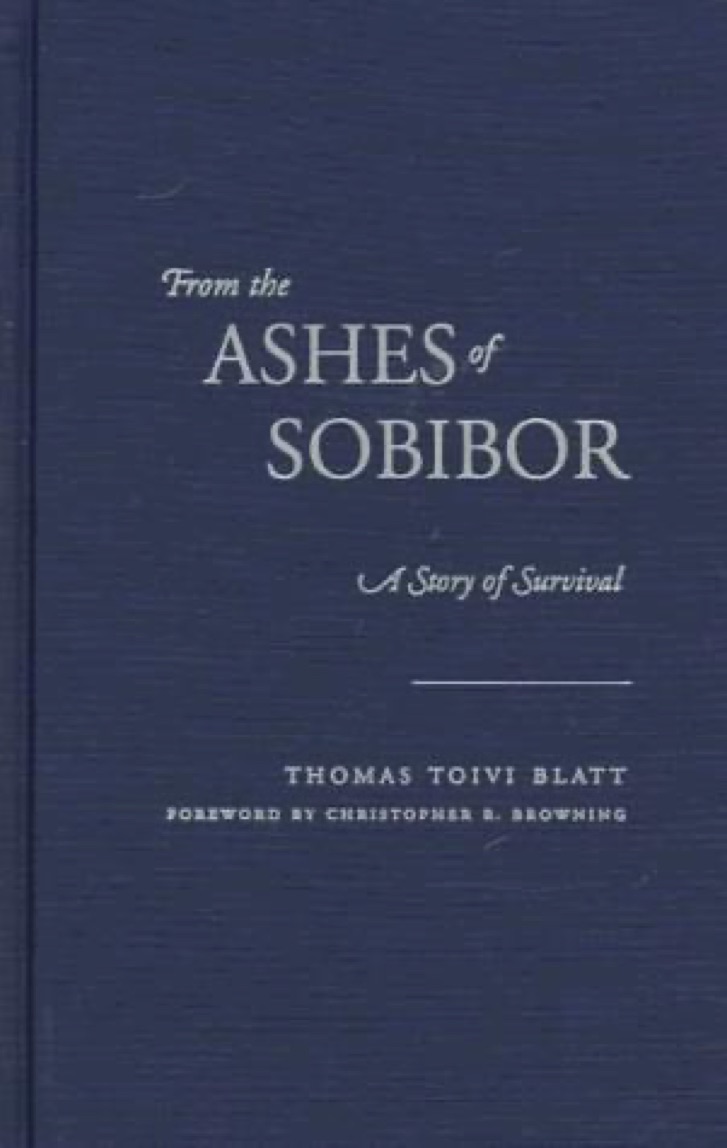
From the Ashes of Sobibor: A Story of Survival
Applying the lessons from "From the Ashes of Sobibor: A Story of Survival" by Thomas Toivi Blatt to your life can be a transformative exercise in understanding the limits of human endurance and the power of strategic action. Here are some ways you might integrate these lessons:
-
Cultivate Extreme Resilience: - In both medicine and high-stakes business, you will face moments of overwhelming pressure where the odds seem insurmountable. Blatt’s survival demonstrates that maintaining a sliver of hope and focus on the immediate next step can keep you moving forward when the larger picture is bleak.
-
Leverage Collaborative Leadership: - The success of the Sobibor revolt was rooted in the partnership between Feldhendler and Pechersky—one provided the internal knowledge and the other the tactical expertise. You should actively seek out collaborators whose skills complement your own, especially when navigating complex legal or entrepreneurial challenges.
-
Master the Art of Strategic Deception: - While ethics are paramount in law and medicine, the camp resistance used the Nazis’ own arrogance and routines against them. In a professional context, this translates to deep situational awareness; by understanding the expectations and biases of your competitors or opponents, you can navigate obstacles more effectively.
-
Maintain Vigilance and Adaptability: - Blatt’s survival after the camp depended on his ability to read shifting environments and make split-second decisions. Whether you are piloting an aircraft or managing a healthcare startup, you must remain hyper-aware of your surroundings and be ready to pivot your strategy as new information emerges.
-
Commit to the Moral Imperative of Truth: - Blatt dedicated his life to ensuring the events of Sobibor were not erased. In your own legacy, whether through authorship or mentorship, you must recognize the importance of preserving truth and integrity, ensuring that the lessons of the past inform the progress of the future.
-
Value Decisive Action Under Uncertainty: - The prisoners had no guarantee of success, but they recognized that inaction was certain death. In your career as a serial entrepreneur, you must be willing to take calculated risks when the status quo becomes untenable, trusting in your preparation and your team to execute.
By integrating these lessons, you strengthen your capacity for leadership and personal growth by anchoring your actions in a deep sense of purpose and an unwavering commitment to survival and excellence. This perspective fosters a mindset that views every challenge not just as a hurdle, but as a defining moment for character and contribution.
What the book covers
"From the Ashes of Sobibor: A Story of Survival" by Thomas Toivi Blatt is a harrowing and meticulously detailed first-hand account of one of the few successful prisoner revolts in a Nazi death camp. Blatt, who was only fifteen when he was deported to Sobibor, provides a rare glimpse into the machinery of the Holocaust and the profound psychological resilience required to survive. The book serves as both a historical document and a deeply personal narrative of loss, resistance, and the eventual pursuit of justice.
Summary:
-
The Journey to the Abyss: - The narrative begins in the Polish town of Izbica, where Blatt describes the gradual tightening of the Nazi noose around the Jewish community. He recounts the terrifying deportation process in April 1943, where he and his family were packed into cattle cars and transported to the Sobibor extermination camp, unaware of the fate that awaited them.
-
Arrival and Selection: - Upon arrival at Sobibor, Blatt describes the chaotic and deceptive environment designed to keep victims calm until the last moment. While his parents and younger brother were immediately sent to the gas chambers, Blatt was selected for a work detail due to his youth and perceived agility, a moment of chance that defined his survival.
-
The Mechanics of the Death Camp: - Blatt provides an unflinching look at the camp's daily operations, documenting the roles of the SS officers and the "Sonderkommando" prisoners. He details the extreme cruelty, the constant threat of execution, and the systematic way the Nazis processed the belongings and bodies of the victims, stripping them of all humanity before their deaths.
-
The Formation of the Underground: - Despite the overwhelming odds and the psychological trauma, a clandestine resistance group formed within the camp. Blatt describes the collaboration between Leon Feldhendler, a Polish Jew, and Alexander Pechersky, a Soviet POW, who combined their leadership skills and military expertise to plan a mass escape that aimed to leave no witnesses behind.
-
The October 14 Uprising: - The heart of the book details the meticulously planned revolt on October 14, 1943, where prisoners lured SS officers into workshops to be killed silently. Blatt recounts the tension of the afternoon, the eventual breakout of hundreds of prisoners toward the minefields, and the desperate scramble for freedom under heavy machine-gun fire.
-
Survival in the Polish Countryside: - Following the escape, Blatt recounts his months spent hiding in the Polish forests and seeking shelter with local farmers. He describes the dual threat of Nazi patrols and betrayal by locals, emphasizing that the end of the camp did not mean the end of the danger; survival required constant vigilance and an uncanny ability to read people.
-
Liberation and the Legacy of Witness: - The final chapters cover the end of the war and Blatt's lifelong commitment to documenting the history of Sobibor. He describes the difficulty of reintegrating into a world that had largely forgotten the camp and his eventual role in testifying at the trials of Nazi war criminals to ensure the truth of the Holocaust was preserved.
This memoir is a testament to the indomitable human spirit and the necessity of bearing witness to the darkest chapters of history. Blatt’s account ensures that the bravery of the Sobibor insurgents remains a permanent part of the historical record, challenging the myth of Jewish passivity during the Holocaust.