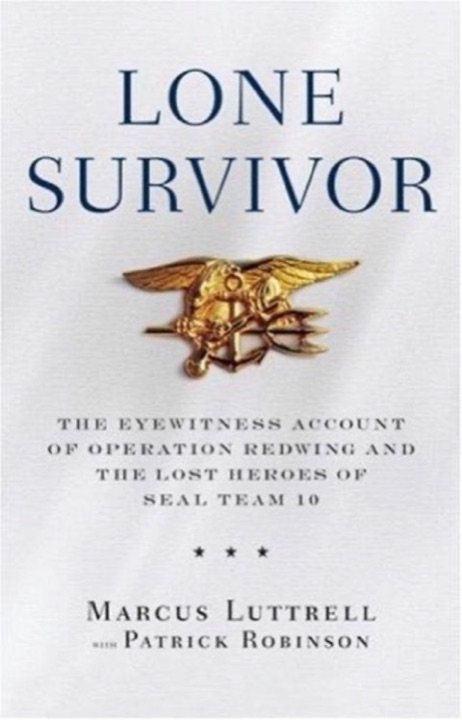
Lone Survivor
Applying the lessons from "Lone Survivor" by Marcus Luttrell to your life can be a meaningful way to reflect on your experiences and values. Here are some ways you might integrate these lessons:
-
Courage and Sacrifice: - Reflect on the courage and sacrifices you've made in your life, such as your experiences with plane crashes and your advocacy work. Consider how you can continue to demonstrate bravery in your personal and professional endeavors, perhaps by taking on new challenges or supporting causes you believe in.
-
Moral Dilemmas: - Like the SEALs' decision with the goat herders, you've faced ethical challenges, especially in your medical career. Continue to navigate these dilemmas with kindness and empathy, ensuring your actions align with your core values.
-
Brotherhood and Loyalty: - Your strong bonds with family and friends mirror the camaraderie among the SEALs. Maintain and strengthen these relationships by being present, loyal, and supportive, just as you value in friendships.
-
Survival and Resilience: - Your resilience is evident in your ability to overcome near-death experiences and personal challenges. Keep leveraging this strength to face future obstacles, knowing that your persistence is a superpower.
-
Cultural Understanding: - The Pashtun villagers' role in Luttrell's survival highlights the importance of cultural understanding and kindness. Continue to approach others with empathy and an open mind, recognizing the shared humanity in everyone.
-
Impact of War: - While not directly related to war, your involvement in social issues like equality and anti-human trafficking shows your commitment to addressing societal impacts. Keep advocating for these causes, using your voice and actions to make a difference.
By integrating these lessons into your life, you can continue to live with purpose, resilience, and empathy, honoring the values that are important to you.
What the book covers
"Lone Survivor" is a non-fiction book written by Marcus Luttrell with Patrick Robinson, published in 2007. It recounts the harrowing experiences of Marcus Luttrell, a United States Navy SEAL, during Operation Red Wings in Afghanistan in 2005. The book provides a detailed account of the mission, the challenges faced by the SEAL team, and Luttrell's survival against overwhelming odds.
Summary:
Background and Mission: The book begins with Luttrell's background, his rigorous training as a Navy SEAL, and the camaraderie among his team members. Operation Red Wings was a mission aimed at capturing or killing a high-ranking Taliban leader, Ahmad Shah, in the mountainous terrain of Afghanistan's Kunar Province.
The Mission: Luttrell and his team, consisting of Lieutenant Michael Murphy, Petty Officer Danny Dietz, and Petty Officer Matthew Axelson, were inserted into the region to conduct reconnaissance and surveillance. However, the mission quickly went awry when the team encountered local goat herders. Faced with a moral dilemma, they decided to release the herders, fearing that killing them would violate the rules of engagement and potentially lead to legal consequences.
Ambush and Battle: Shortly after releasing the herders, the team was ambushed by a large Taliban force. A fierce firefight ensued on the steep, rocky slopes. Despite being heavily outnumbered and outgunned, the SEALs fought valiantly. Luttrell describes the intense combat, the injuries sustained by his teammates, and their heroic efforts to call for reinforcements.
Acts of Valor: Lieutenant Michael Murphy, despite being gravely wounded, exposed himself to enemy fire to make a satellite phone call for help, an act of bravery that posthumously earned him the Medal of Honor. The other team members, Dietz and Axelson, also displayed extraordinary courage but ultimately succumbed to their injuries.
Luttrell's Survival: Luttrell, the lone survivor, managed to escape the ambush despite severe injuries. He evaded the Taliban by crawling and walking for miles, eventually finding refuge in a Pashtun village. The villagers, adhering to their traditional code of honor known as "Pashtunwali," protected Luttrell from the Taliban and arranged for his rescue by U.S. forces.
Rescue and Aftermath: Luttrell was eventually rescued by American forces. The book concludes with Luttrell reflecting on the loss of his teammates, the impact of the mission on his life, and his gratitude towards the villagers who saved him.
Key Takeaways and Lessons:
-
Courage and Sacrifice: - The book highlights the extraordinary bravery and selflessness of the SEAL team members, particularly the actions of Lieutenant Murphy, who sacrificed his life to save his teammates.
-
Moral Dilemmas: - The decision to release the goat herders underscores the complex moral and ethical challenges faced by soldiers in combat, where choices can have life-or-death consequences.
-
Brotherhood and Loyalty: - The strong bond among the SEALs is evident throughout the narrative, emphasizing the importance of teamwork, trust, and loyalty in high-stakes situations.
-
Survival and Resilience: - Luttrell's survival story is a testament to human resilience, determination, and the will to live despite overwhelming odds.
-
Cultural Understanding: - The role of the Pashtun villagers in Luttrell's survival highlights the significance of cultural codes and the potential for humanity and kindness even in war-torn regions.
-
Impact of War: - The book provides insight into the physical and emotional toll of war on soldiers, as well as the lasting impact on their lives and families.
"Lone Survivor" is not only a gripping account of a military operation but also a tribute to the courage and sacrifice of those who serve in the armed forces. It offers valuable lessons on leadership, ethics, and the enduring spirit of survival.