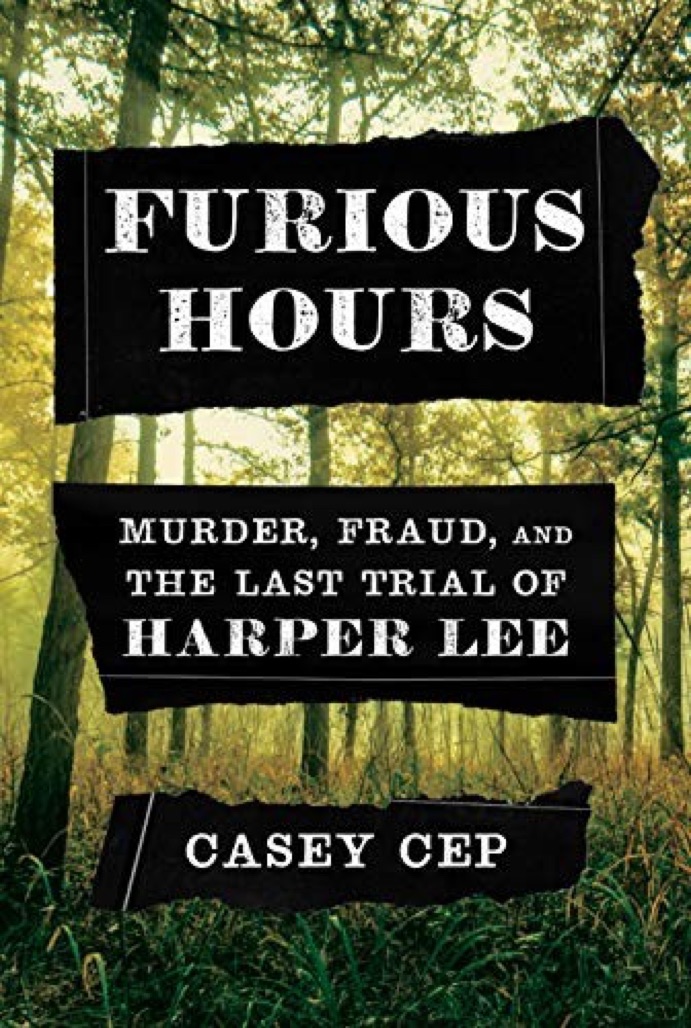
Furious Hours: Murder, Fraud, and the Last Trial of Harper Lee
Applying the lessons from "Furious Hours: Murder, Fraud, and the Last Trial of Harper Lee" by Casey Cep to your life can be a transformative exercise in understanding the complexities of human motivation and the discipline required for sustained excellence. Here are some ways you might integrate these lessons:
-
The Importance of Systemic Auditing: - In your roles as an entrepreneur and physician, you must recognize that tragedy often occurs in the gaps of a system. Just as Maxwell exploited insurance loopholes, you should proactively identify vulnerabilities in healthcare delivery or business operations before they result in catastrophic failure or ethical breaches.
-
Navigating the Burden of Previous Success: - As a high-achiever with multiple degrees and successful exits, you may encounter the "sophomore slump" or the paralyzing pressure to top your greatest achievement. You must learn to decouple your personal identity from your professional output to ensure that the fear of not repeating a "home run" doesn't prevent you from stepping up to the plate again.
-
Rigorous Due Diligence in Discovery: - Harper Lee’s research for "The Reverend" was exhaustive, yet she struggled to synthesize it. In venture capital and law, you must balance the need for meticulous data collection with the ability to form a coherent, actionable narrative; having the facts is only half the battle—the other half is the courage to interpret them.
-
Embracing Moral Complexity: - The Maxwell case features no easy heroes, much like the complex legal and medical cases you navigate. You should continue to approach leadership with the understanding that people and situations are rarely binary; being an effective advocate or physician requires the ability to operate within the "furious hours" of ambiguity.
-
The Value of Collaborative Success: - Lee’s uncredited work on "In Cold Blood" highlights that some of the greatest achievements are collaborative. In your various boards and ventures, strive to be the "silent partner" who provides the critical research or insight that ensures the group's success, even if your name isn't the one on the cover.
-
Recognizing When to Pivot: - Lee’s struggle to finish her book is a cautionary tale about the sunk cost fallacy. As a serial entrepreneur, you must possess the humility to recognize when a project—no matter how much time you have invested—no longer aligns with your goals or the available truth, allowing you to reallocate your energy toward more fruitful endeavors.
By integrating these lessons, you will refine your approach to leadership by balancing the investigative rigor of a researcher with the strategic decisiveness of an entrepreneur, ensuring that you remain both hungry for the truth and humble in the face of its complexity.
What the book covers
"Furious Hours: Murder, Fraud, and the Last Trial of Harper Lee" by Casey Cep is a masterfully layered exploration of a true-crime mystery and the literary ghost that haunted one of America’s most beloved authors. The book bifurcates into the chilling saga of Reverend Willie Maxwell, a suspected serial killer in 1970s Alabama, and the subsequent struggle of Harper Lee as she attempted to turn that case into her own "In Cold Blood." Through meticulous reporting and evocative prose, Cep investigates why the greatest storyteller of the South spent her final decades in silence while sitting on the story of a lifetime.
Summary:
-
The Mystery of Reverend Willie Maxwell: - The narrative begins in rural Alabama with the suspicious deaths of Reverend Maxwell’s relatives, including two wives, a brother, and his adoptive daughter. Despite the community's conviction of his guilt and the presence of suspicious circumstances surrounding each death, Maxwell remained a free man for years, protected by a combination of social standing, fear, and legal technicalities.
-
The Insurance Loophole and Fraud: - Cep provides a fascinating look into the mid-century insurance industry, explaining how Maxwell was able to take out numerous policies on his family members without their knowledge. This section details the administrative gaps in the Southern financial and legal systems that allowed a serial predator to essentially monetize murder through complex beneficiary schemes.
-
The Courtroom Drama of Tom Radney: - Central to the Reverend’s success was his lawyer, Tom Radney, a liberal powerhouse in a conservative state who managed to keep Maxwell out of prison through multiple trials. Radney’s role becomes even more complex when he eventually defends Robert Burns, the man who finally shot Maxwell at a funeral, highlighting the theatrical and often contradictory nature of the Alabama justice system.
-
Harper Lee’s Return to the South: - Decades after the success of "To Kill a Mockingbird," Harper Lee arrived in Alexander City to report on the Maxwell case. She spent months conducting interviews and gathering transcripts, hoping to produce a non-fiction masterpiece titled "The Reverend" that would rival the success of her friend Truman Capote’s most famous work.
-
The Ghost of In Cold Blood: - Cep delves into the professional relationship between Lee and Capote, revealing how Lee’s uncredited contributions to "In Cold Blood" shaped her own approach to the Maxwell story. This section explores her obsession with factual accuracy and the psychological burden of trying to live up to the impossible standards set by her debut novel.
-
The Agony of the Creative Process: - Despite having thousands of pages of research and a compelling narrative, Lee was never able to finish the book. Cep analyzes the factors that contributed to this failure, including Lee’s battle with alcoholism, her perfectionism, and her realization that the truth of the Maxwell case was too fragmented to fit into a neat, moralistic narrative.
-
The Silence of a Literary Icon: - The final chapters reflect on Lee's later years and her retreat from the public eye. Cep examines how Lee’s inability to complete "The Reverend" contributed to her reputation as a recluse and discusses the eventual discovery and publication of "Go Set a Watchman," which provided a bittersweet postscript to her legendary career.
"Furious Hours" is an essential read for anyone interested in the intersection of law, literature, and history, offering a profound meditation on the difficulty of capturing the truth and the high cost of artistic genius.