Kite Runner
"The Kite Runner" offers several profound lessons that can be applied to your life, particularly given your rich experiences and personal philosophy. Here are some ways you might integrate these lessons:
-
Redemption and Forgiveness: Like Amir, you might reflect on any past regrets or unresolved issues and consider ways to seek redemption or forgiveness. While you mention having no regrets except not seeing your father before he died, this theme can reinforce the importance of addressing any lingering feelings or relationships that might benefit from reconciliation.
-
Complex Relationships: The novel's exploration of father-son dynamics and friendships can encourage you to continue nurturing your relationships with your children and grandchild. Your emphasis on kindness and empathy aligns with the novel's message about the importance of understanding and supporting loved ones.
-
Courage and Loyalty: Hassan's loyalty to Amir, despite the social divide, mirrors your value of loyalty in friendships. You can continue to embody this by being present and supportive for your friends and family, even in challenging times.
-
Impact of Guilt: Amir's journey shows how guilt can shape one's life. While you seem to have a healthy perspective on your past, this lesson can serve as a reminder to address any feelings of guilt promptly and constructively, ensuring they don't hinder your personal growth.
-
Cultural and Social Commentary: The novel's insights into Afghan culture and societal issues can resonate with your passion for social equality and activism. You might draw inspiration from the book to further engage in advocacy work or educate others about the importance of cultural understanding and acceptance.
By reflecting on these themes, you can continue to live a life aligned with your values of kindness, empathy, and resilience, while also seeking opportunities for personal growth and reconciliation where needed.
What the book covers
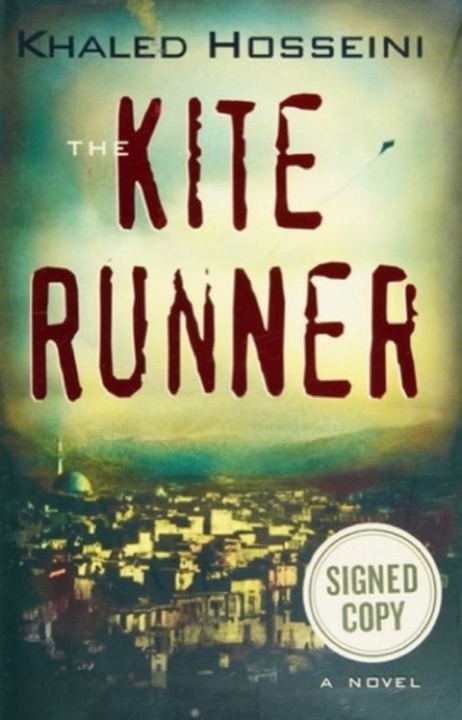
"The Kite Runner" by Khaled Hosseini is a poignant novel that explores themes of friendship, betrayal, redemption, and the complex nature of father-son relationships. Set against the backdrop of a changing Afghanistan, the story follows the life of Amir, a young boy from a wealthy family, and his friendship with Hassan, the son of his father's servant.
Summary:
Part One: Childhood in Kabul
The novel begins in the 1970s in Kabul, Afghanistan. Amir, the protagonist, lives with his father, Baba, a wealthy and respected businessman. Amir's mother died during childbirth, and he feels a deep sense of guilt and a longing for his father's approval. Hassan, a Hazara boy, is Amir's loyal friend and servant. Despite their close bond, there is a social divide between them due to ethnic and class differences.
Amir and Hassan share a love for kite flying, and the annual kite fighting tournament is a significant event in their lives. During one such tournament, Amir wins and Hassan runs to catch the last kite, a symbol of victory. However, Hassan encounters Assef, a local bully, who assaults him. Amir witnesses the incident but does nothing to help Hassan, a decision that haunts him for the rest of his life.
Part Two: Life in America
After the Soviet invasion of Afghanistan, Amir and Baba flee to the United States, leaving behind their privileged life. They settle in California, where Baba works at a gas station. Amir graduates from high school and later attends college, pursuing his dream of becoming a writer. Baba, who once held a powerful position in Kabul, struggles with the loss of status and the challenges of immigrant life.
Amir marries Soraya, an Afghan-American woman, and they build a life together. Despite his achievements, Amir remains burdened by guilt over his betrayal of Hassan.
Part Three: Return to Afghanistan
Years later, Amir receives a call from Rahim Khan, a close family friend, urging him to return to Pakistan. Rahim Khan reveals that Hassan was his half-brother, the illegitimate son of Baba, and that Hassan and his wife were killed by the Taliban. Hassan's son, Sohrab, is in an orphanage in Kabul.
Amir returns to a war-torn Afghanistan to rescue Sohrab. He discovers that Assef, now a Taliban official, has taken Sohrab. In a climactic confrontation, Amir is severely beaten by Assef but manages to escape with Sohrab's help.
Part Four: Redemption and Healing
Amir brings Sohrab to the United States, but the boy is traumatized and struggles to adjust. Amir and Soraya face challenges in adopting Sohrab, and the boy attempts suicide, fearing he will be sent back to the orphanage. This incident forces Amir to confront his past and his responsibilities.
The novel ends with a glimmer of hope as Amir and Sohrab begin to heal. During a kite-flying event, Amir runs to catch a kite for Sohrab, echoing Hassan's loyalty and symbolizing Amir's redemption.
Key Takeaways and Lessons:
-
Redemption and Forgiveness: The novel emphasizes that it is never too late to seek redemption. Amir's journey illustrates the power of confronting one's past mistakes and making amends.
-
The Complexity of Relationships: The story explores the intricacies of father-son relationships, friendship, and the impact of societal norms on personal bonds.
-
Courage and Loyalty: Hassan's unwavering loyalty to Amir, despite the social divide and Amir's betrayal, highlights the themes of courage and selflessness.
-
The Impact of Guilt: Amir's guilt over his betrayal of Hassan drives much of the narrative, showing how unresolved guilt can shape one's life and decisions.
-
Cultural and Social Commentary: The novel provides insight into Afghan culture, the ethnic tensions between Pashtuns and Hazaras, and the impact of political upheaval on individuals and families.
"The Kite Runner" is a powerful exploration of human emotions and the possibility of redemption, set against the backdrop of a country's turbulent history.