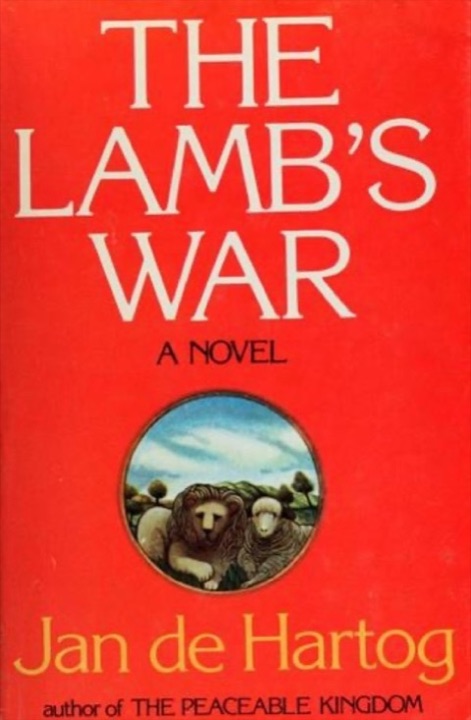
The Lamb's War
"The Lamb's War" by Jan de Hartog offers several themes and lessons that can be applied to your life, given your values and experiences. Here are some ways you might integrate these lessons:
-
Faith and Conviction: The Quakers' unwavering commitment to their beliefs, despite persecution, mirrors your own steadfastness in your values and beliefs. You can continue to draw strength from your convictions, especially in areas like kindness, empathy, and equality, even when faced with societal challenges or opposition.
-
Pacifism and Nonviolence: Your commitment to kindness and empathy aligns with the Quaker principle of nonviolence. You can apply this lesson by continuing to approach conflicts and disagreements with a mindset of understanding and compassion, striving to resolve issues peacefully and constructively.
-
Inner Light and Spirituality: The Quaker belief in the "inner light" resonates with your spiritual perspective that true guidance comes from within. You can continue to trust your intuition and inner wisdom as you navigate life's challenges, reinforcing your belief in personal growth and self-discovery.
-
Religious Tolerance and Freedom: Given your views on organized religion and your advocacy for equality, the novel's emphasis on religious tolerance can inspire you to continue promoting acceptance and understanding of diverse beliefs. This aligns with your passion for social issues and your involvement in activism.
-
Community and Support: The sense of community among the Quakers can remind you of the importance of fostering strong, supportive relationships with family and friends. Your close-knit family and the value you place on friendship reflect this lesson, encouraging you to continue nurturing these connections.
Overall, "The Lamb's War" can reinforce your commitment to living a life guided by kindness, empathy, and resilience. It can also inspire you to remain steadfast in your beliefs and continue advocating for a more tolerant and equitable society.
What the book covers
"The Lamb's War" by Jan de Hartog is a historical novel that delves into the Quaker movement in 17th-century England. The book is set against the backdrop of religious turmoil and persecution, focusing on the early days of the Religious Society of Friends, commonly known as Quakers. De Hartog, known for his deep interest in Quakerism, explores themes of faith, pacifism, and the struggle for religious freedom.
Summary:
The novel follows the journey of a young protagonist, who becomes deeply involved with the Quaker movement. The story begins with the protagonist's initial encounter with the teachings of George Fox, the founder of Quakerism. Captivated by Fox's message of inner light and direct communion with God, the protagonist joins the Quakers, who are seen as radical and subversive by the mainstream society of the time.
As the protagonist becomes more entrenched in the movement, he witnesses the severe persecution faced by Quakers. They are often imprisoned, beaten, and ostracized for their beliefs, which include pacifism, equality, and the refusal to swear oaths or pay tithes to the Church of England. Despite these challenges, the protagonist and his fellow Quakers remain steadfast in their convictions, driven by a profound sense of spiritual calling.
Throughout the novel, the protagonist grapples with the tension between his commitment to nonviolence and the violent reality of the world around him. He is forced to confront his own fears and doubts, ultimately finding strength in the Quaker belief in the "Lamb's War"—a spiritual battle fought not with weapons, but with love, truth, and inner conviction.
Key Takeaways and Lessons:
-
Faith and Conviction: The novel highlights the power of faith and personal conviction in the face of adversity. The Quakers' unwavering commitment to their beliefs, despite persecution, serves as a testament to the strength of the human spirit.
-
Pacifism and Nonviolence: A central theme of the book is the Quaker commitment to pacifism. The story illustrates the challenges and moral dilemmas faced by those who choose nonviolence in a violent world, emphasizing the courage required to maintain such a stance.
-
Inner Light and Spirituality: The concept of the "inner light," a core Quaker belief, is explored throughout the novel. It underscores the idea that true spiritual guidance comes from within and that individuals can have a direct relationship with the divine without intermediaries.
-
Religious Tolerance and Freedom: The novel sheds light on the historical struggle for religious freedom and tolerance. It serves as a reminder of the importance of respecting diverse beliefs and the dangers of religious persecution.
-
Community and Support: The sense of community among the Quakers is portrayed as a source of strength and resilience. The novel emphasizes the importance of mutual support and solidarity in overcoming challenges.
In conclusion, "The Lamb's War" is a compelling exploration of the Quaker movement and its enduring principles. Through its historical narrative, the novel offers valuable insights into the power of faith, the importance of nonviolence, and the ongoing struggle for religious freedom and tolerance.