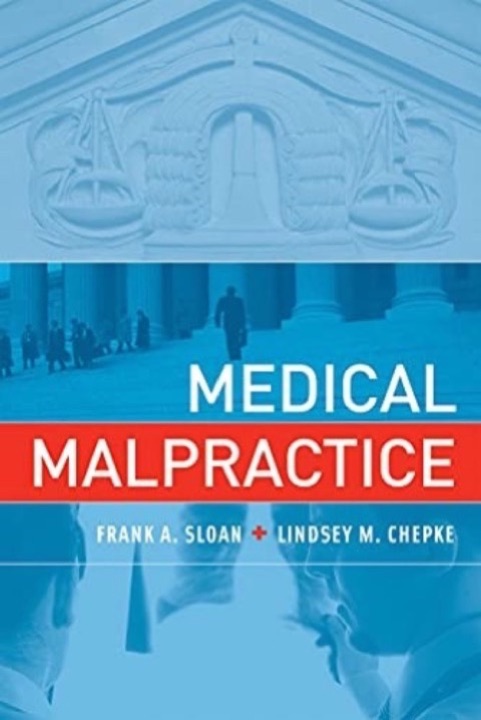
Medical Malpractice
Applying the lessons from "Medical Malpractice" by Frank A. Sloan to your life involves integrating the insights from the book with your personal experiences and values. Here are some ways you might do this:
-
Complexity and Empathy: - Recognize the complexity of medical malpractice and the healthcare system, and apply this understanding to your interactions with others. Your core values of kindness and empathy can guide you in approaching situations with a nuanced perspective, acknowledging that everyone is fighting their own battles.
-
Communication and Relationships: - Emphasize the importance of clear communication in all your relationships, whether personal or professional. Just as effective communication can prevent malpractice claims, it can also strengthen your connections with family, friends, and colleagues.
-
Resilience and Reform: - Your resilience and persistence align with the need for reform in the malpractice system. Apply these strengths to advocate for positive changes in areas you are passionate about, such as social equality and healthcare improvements.
-
Data-Driven Decisions: - Use empirical data and evidence-based approaches in your decision-making processes, both in your professional life as a physician and in personal matters. This aligns with your analytical mindset and helps ensure informed and balanced choices.
-
Ethical Considerations: - Continue to let your ethical beliefs guide your actions, as Sloan emphasizes the importance of ethics in malpractice cases. Your commitment to kindness and empathy can help you navigate challenging situations with integrity.
-
Learning from Failures: - Embrace the lessons from failures, as you have done throughout your life. The book's analysis of malpractice outcomes can remind you that setbacks are opportunities for growth and improvement.
-
Advocacy and Activism: - Leverage your passion for social issues to advocate for reforms in the healthcare system and beyond. Your involvement in activism and advocacy work can be informed by the book's insights into the broader implications of malpractice.
-
Balancing Humor and Seriousness: - While you find humor in many situations, recognize when serious issues require a more measured approach. The book's examination of malpractice's impact on healthcare providers can remind you to balance humor with empathy and understanding.
By integrating these lessons into your life, you can continue to grow as a compassionate and informed individual, making a positive impact on those around you and the broader community.
What the book covers
"Medical Malpractice" by Frank A. Sloan is a comprehensive examination of the medical malpractice system in the United States. The book delves into the complexities of malpractice litigation, its impact on healthcare providers, and the broader implications for the healthcare system. Here is a thorough summary of the book, along with key takeaways and lessons:
Summary:
-
Introduction to Medical Malpractice: - Sloan begins by defining medical malpractice and its role in the healthcare system. He explains the legal framework and the criteria for establishing negligence, including duty, breach, causation, and damages.
-
Historical Context: - The book provides a historical overview of medical malpractice, tracing its evolution from the early 20th century to the present. Sloan discusses how changes in medical technology, patient expectations, and legal standards have influenced malpractice claims.
-
The Litigation Process: - Sloan outlines the steps involved in a malpractice lawsuit, from filing a claim to trial and potential settlement. He highlights the roles of various stakeholders, including patients, healthcare providers, lawyers, and insurers.
-
Economic and Social Impacts: - The book examines the economic implications of malpractice litigation, such as the cost of insurance premiums for healthcare providers and the potential for defensive medicine. Sloan also considers the social impact, including the strain on doctor-patient relationships and the public perception of the medical profession.
-
Empirical Analysis: - Sloan presents empirical data on the frequency and outcomes of malpractice claims. He analyzes trends in litigation, the likelihood of different specialties facing claims, and the factors influencing settlement amounts and jury verdicts.
-
Reform Proposals: - The book discusses various proposals for reforming the malpractice system, including tort reform, alternative dispute resolution mechanisms, and changes to the standard of care. Sloan evaluates the potential benefits and drawbacks of these reforms.
-
Case Studies: - Sloan includes case studies to illustrate the complexities and nuances of malpractice cases. These real-world examples provide insight into the challenges faced by both plaintiffs and defendants in malpractice litigation.
Key Takeaways and Lessons:
-
Complexity of Malpractice Litigation: - Medical malpractice is a complex and multifaceted issue that involves legal, medical, and ethical considerations. Understanding the intricacies of the litigation process is crucial for all stakeholders.
-
Impact on Healthcare Providers: - The threat of malpractice litigation can lead to defensive medicine, where healthcare providers order unnecessary tests or procedures to protect themselves from potential lawsuits. This can increase healthcare costs and affect the quality of care.
-
Need for Reform: - There is a consensus on the need for reform in the malpractice system to reduce costs, improve patient safety, and maintain trust in the healthcare system. However, finding a balanced solution that addresses the concerns of all parties is challenging.
-
Importance of Communication: - Effective communication between healthcare providers and patients is essential in preventing malpractice claims. Clear communication can help manage patient expectations and reduce misunderstandings that may lead to litigation.
-
Role of Empirical Data: - Empirical data is vital in understanding the trends and outcomes of malpractice claims. Policymakers and stakeholders can use this data to inform decisions and develop evidence-based reforms.
-
Ethical Considerations: - Ethical considerations play a significant role in malpractice cases. Healthcare providers must balance their duty to provide quality care with the legal and financial implications of potential litigation.
In conclusion, "Medical Malpractice" by Frank A. Sloan provides a thorough analysis of the malpractice system, highlighting its complexities and the need for thoughtful reform. The book serves as a valuable resource for understanding the challenges and opportunities in addressing medical malpractice in the healthcare system.