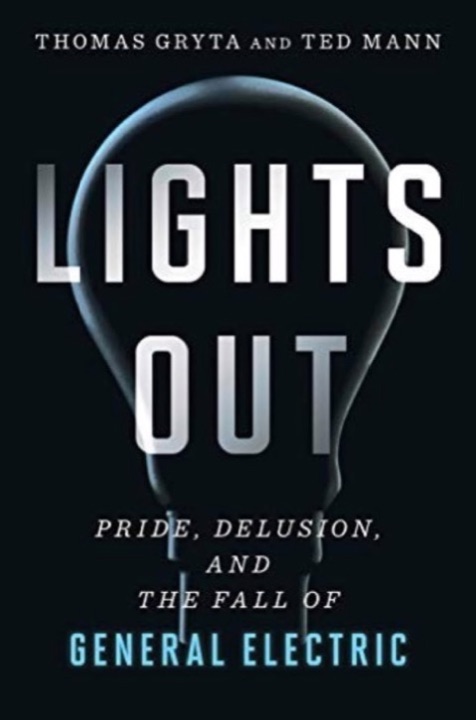
Lights Out: Pride, Delusion, and the Fall of General Electric
Applying the lessons from "Lights Out: Pride, Delusion, and the Fall of General Electric" to your life involves reflecting on the key themes and insights from the book and considering how they align with your personal experiences, values, and aspirations. Here are some ways you might integrate these lessons:
-
Balance Short-Term Gains with Long-Term Stability: - Reflect on your personal and professional goals, ensuring that your actions today contribute to long-term fulfillment and stability. This might involve setting clear priorities and being mindful of how immediate decisions impact your future.
-
Embrace Adaptability and Innovation: - Given your interest in technology and lifelong learning, continue to seek out new experiences and knowledge. Stay open to change and be willing to adapt your approach when necessary, whether in your career, hobbies, or personal growth.
-
Prioritize Strong Governance and Transparency: - In your interactions and relationships, maintain a culture of openness and accountability. Encourage honest communication and be transparent in your intentions and actions, fostering trust and collaboration.
-
Cultivate Effective Leadership and Vision: - As someone who values resilience and persistence, continue to lead by example. Develop a clear vision for your life and work, and be prepared to make difficult decisions when needed. Your ability to remain calm under pressure is a valuable asset in leadership.
-
Manage Diversification and Risk: - While you have diverse interests and pursuits, ensure that you manage your time and resources effectively. Be mindful of overextending yourself and focus on areas where you can make the most impact.
-
Foster Cultural Transformation: - Encourage a culture of kindness, empathy, and acceptance in your personal and professional circles. Challenge the status quo when necessary and advocate for positive change, aligning with your passion for social issues and equality.
By integrating these lessons into your life, you can continue to grow and thrive while staying true to your core values and aspirations. Your resilience, humor, and commitment to kindness will serve as guiding principles as you navigate challenges and opportunities.
What the book covers
"Lights Out: Pride, Delusion, and the Fall of General Electric" by Thomas Gryta and Ted Mann is a detailed exploration of the rise and fall of one of America's most iconic corporations, General Electric (GE). The book delves into the internal and external factors that led to GE's decline, offering insights into corporate governance, leadership, and the challenges of maintaining success in a rapidly changing business environment.
Summary:
1. The Rise of GE: - GE was founded by Thomas Edison and became a symbol of American innovation and industrial prowess. Over the decades, it expanded into various sectors, including energy, aviation, healthcare, and finance. - Under the leadership of Jack Welch from 1981 to 2001, GE became a model of corporate efficiency and profitability. Welch's focus on shareholder value, cost-cutting, and aggressive management practices earned him acclaim.
2. The Welch Legacy: - Welch's tenure was marked by a relentless pursuit of growth and profitability, often through acquisitions and financial engineering. - The book highlights how Welch's strategies, while successful in the short term, laid the groundwork for future challenges by prioritizing short-term gains over long-term stability.
3. The Immelt Era: - Jeff Immelt succeeded Welch in 2001, inheriting a company at its peak but also facing the aftermath of Welch's aggressive strategies. - Immelt's tenure was marked by significant challenges, including the aftermath of the 9/11 attacks, the 2008 financial crisis, and the rapid technological changes affecting GE's core industries.
4. Strategic Missteps: - The authors detail several strategic missteps under Immelt, including ill-timed acquisitions, over-reliance on GE Capital, and failure to adapt to technological disruptions. - GE's focus on financial services through GE Capital became a liability during the financial crisis, exposing the company to significant risks.
5. Corporate Culture and Governance: - The book examines the corporate culture at GE, characterized by a top-down management style and a lack of transparency. - The authors argue that GE's insular culture and resistance to change contributed to its inability to adapt to new market realities.
6. The Fall of GE: - By the time Immelt stepped down in 2017, GE was struggling with declining revenues, mounting debt, and a plummeting stock price. - The book chronicles the efforts of Immelt's successors to stabilize the company, including asset sales, restructuring, and leadership changes.
Key Takeaways and Lessons:
-
Short-Term Gains vs. Long-Term Stability: - The pursuit of short-term financial performance can undermine long-term sustainability. Companies must balance immediate results with strategic planning for the future.
-
Adaptability and Innovation: - In a rapidly changing business environment, adaptability and innovation are crucial. Companies must be willing to embrace change and invest in new technologies.
-
Corporate Governance: - Strong corporate governance and transparency are essential for long-term success. A culture of openness and accountability can prevent insular decision-making.
-
Leadership and Vision: - Effective leadership requires a clear vision and the ability to navigate complex challenges. Leaders must be willing to make difficult decisions and course-correct when necessary.
-
Diversification and Risk Management: - Diversification can be a double-edged sword. While it can provide growth opportunities, it also requires careful risk management to avoid overexposure in volatile sectors.
-
Cultural Transformation: - Transforming corporate culture is often necessary for revitalization. Encouraging innovation, collaboration, and a willingness to challenge the status quo can drive positive change.
"Lights Out" serves as a cautionary tale for businesses, highlighting the importance of strategic foresight, adaptable leadership, and a culture that supports sustainable growth.