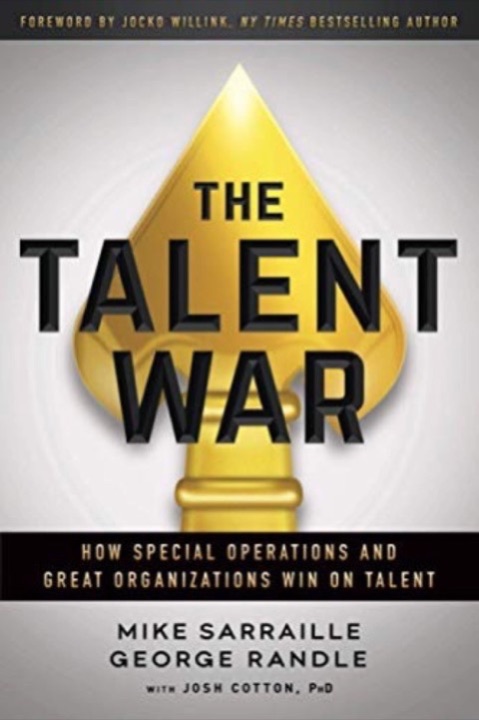
The Talent War: How Special Operations and Great Organizations Win on Talent
Applying the lessons from "The Talent War" to your life can be a transformative process, especially given your rich personal experiences and values. Here are some ways you might integrate these insights:
-
Focus on Character and Potential: - Reflect on your own character traits and potential. Consider how your resilience, humor, kindness, and empathy have shaped your life and how you can continue to develop these attributes. When interacting with others, prioritize these traits over skills or experience, whether in personal relationships or professional settings.
-
Cultural Fit and Strong Values: - Given your strong values of kindness and empathy, ensure that the environments you engage with, whether social or professional, align with these principles. Surround yourself with people who share your values and contribute to a positive culture.
-
Rigorous Selection Process: - Apply a strategic approach to the relationships and commitments you choose to pursue. Be deliberate in selecting friends, partners, or projects that align with your goals and values, much like the careful selection process advocated in the book.
-
Leadership Development: - Leverage your leadership skills, honed through your experiences in emergency situations and advocacy work, to mentor others. Encourage growth and development in those around you, fostering an environment where they can reach their full potential.
-
Adaptability and Resilience: - Continue to embrace adaptability and resilience, qualities you've demonstrated through your near-death experiences and personal growth. Use these strengths to navigate life's challenges and inspire others to do the same.
-
Continuous Improvement: - Maintain your mindset of being in a constant state of beta. Embrace lifelong learning and personal development, seeking out new experiences and knowledge to enhance your understanding of the world.
-
Building a Winning Culture: - In your personal and professional life, work to cultivate a culture of acceptance and equality, reflecting your passion for social issues. Advocate for inclusivity and understanding, using your influence to create positive change.
-
Lessons from Experience: - Share your life lessons and anecdotes, such as your plane crash experiences, to illustrate the importance of calm decision-making and humor in the face of adversity. Use these stories to connect with others and impart valuable insights.
By integrating these lessons into your life, you can continue to build on your strengths and values, creating a fulfilling and impactful existence that aligns with the principles outlined in "The Talent War."
What the book covers
"The Talent War: How Special Operations and Great Organizations Win on Talent" by Mike Sarraille, George Randle, and with contributions from Dr. Josh Cotton, is a comprehensive guide that draws parallels between the talent acquisition strategies of elite military units and successful business organizations. The book emphasizes the importance of hiring the right people and developing a strong organizational culture to achieve success.
Summary:
-
Introduction to Talent Acquisition: - The book begins by highlighting the critical role of talent in achieving organizational success. It draws comparisons between the rigorous selection processes of special operations forces and the often less stringent hiring practices in the corporate world.
-
The Special Operations Approach: - Special operations forces, such as the Navy SEALs, are renowned for their ability to select and train individuals who can perform under extreme conditions. The authors explore how these units focus on character, potential, and cultural fit rather than just skills and experience.
-
Key Attributes for Success: - The book identifies key attributes that are essential for success in both military and business environments. These include drive, resiliency, adaptability, humility, integrity, effective intelligence, team-ability, curiosity, and emotional strength.
-
Building a Winning Culture: - A significant portion of the book is dedicated to the importance of organizational culture. The authors argue that a strong, cohesive culture is crucial for attracting and retaining top talent. They provide insights into how organizations can cultivate such a culture.
-
The Hiring Process: - The authors offer a detailed examination of the hiring process, advocating for a more deliberate and strategic approach. They suggest methods for identifying candidates who possess the desired attributes and for assessing cultural fit.
-
Leadership and Development: - Leadership is emphasized as a critical component of talent management. The book discusses how leaders can foster an environment that encourages growth and development, ensuring that team members reach their full potential.
-
Lessons from the Battlefield: - Throughout the book, the authors share anecdotes and lessons from their military experiences, illustrating how these lessons can be applied to business challenges. These stories serve to reinforce the principles discussed and provide practical examples of their application.
Key Takeaways and Lessons:
-
Focus on Character and Potential: Organizations should prioritize character and potential over skills and experience during the hiring process. Skills can be taught, but character is inherent.
-
Cultural Fit is Crucial: Hiring individuals who align with the organization's culture is essential for long-term success. A strong culture attracts and retains top talent.
-
Rigorous Selection Process: Implementing a thorough and strategic selection process can help identify candidates who possess the necessary attributes for success.
-
Leadership Development: Effective leadership is key to nurturing talent and fostering a positive organizational culture. Leaders should focus on developing their teams and creating an environment conducive to growth.
-
Adaptability and Resilience: In both military and business contexts, the ability to adapt to changing circumstances and recover from setbacks is vital.
-
Continuous Improvement: Organizations should strive for continuous improvement in their talent management strategies, learning from both successes and failures.
Overall, "The Talent War" provides valuable insights into how organizations can enhance their talent acquisition and management practices by learning from the best practices of special operations forces. The book serves as a guide for leaders seeking to build high-performing teams and achieve sustained success.