Who Not How: The Formula to Achieve Bigger Goals Through Accelerating Teamwork
Applying the lessons from "Who Not How" to your life can be transformative, especially given your rich experiences and values. Here’s how you might integrate the book's principles into your personal and professional life:
-
Identify Your "Whos": Reflect on your goals and identify individuals who can help you achieve them. For instance, if you want to try skydiving, find an experienced skydiver who can guide you through the process. Similarly, for your aspiration to live in the moment, consider engaging with mindfulness coaches or communities.
-
Leverage Your Network: You have a diverse set of experiences and connections. Use your network to find people who can complement your strengths and help you tackle challenges. For example, if you're interested in leveraging technology for social good, connect with tech innovators or social entrepreneurs.
-
Delegate and Collaborate: Focus on your unique abilities, such as resilience and empathy, and delegate tasks that don't align with these strengths. In your professional life, this might mean collaborating with colleagues who excel in areas where you feel less confident.
-
Embrace a Teamwork Mindset: Given your leadership experiences, foster a culture of collaboration in your work and personal projects. Encourage others to share their strengths and work together towards common goals, whether in the emergency department or in advocacy work.
-
Overcome Limiting Beliefs: Challenge any beliefs that you must do everything yourself. Embrace the idea that asking for help is a strength, not a weakness. This can be particularly useful in your advocacy work, where building coalitions can amplify impact.
-
Build a Supportive Network: Continue to nurture relationships with individuals who share your values and can support your vision. This might involve joining groups focused on social issues you care about or connecting with like-minded individuals in your community.
-
Create a Clear Vision: Define your goals and purpose clearly. Whether it's living to 130 with a healthy mind and body or contributing to societal progress, having a clear vision will help you identify the right "Whos" to support your journey.
-
Embrace Personal Growth: Apply the "Who Not How" mindset to your personal development. Seek mentors or coaches who can guide you in areas you wish to grow, such as achieving balance or improving your impulsivity.
By integrating these principles, you can enhance your productivity, foster meaningful collaborations, and continue to make a positive impact in your personal and professional life.
What the book covers
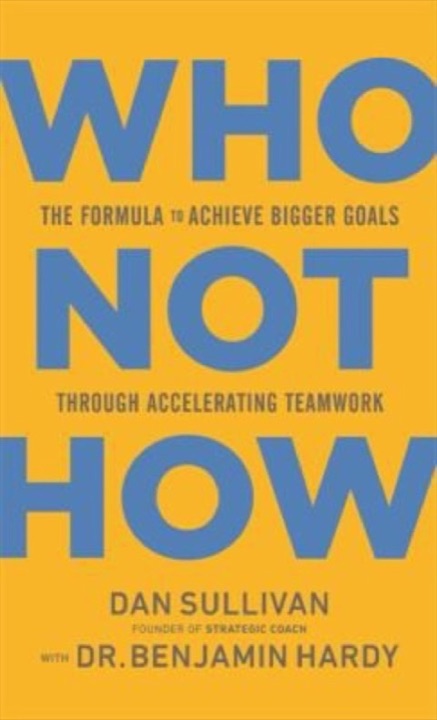
"Who Not How: The Formula to Achieve Bigger Goals Through Accelerating Teamwork" by Dan Sullivan and Dr. Benjamin Hardy is a transformative book that shifts the focus from the traditional approach of figuring out "how" to accomplish goals to identifying "who" can help achieve them. This paradigm shift is designed to enhance productivity, foster collaboration, and accelerate personal and professional growth.
Summary:
-
The Core Concept: - The book introduces the idea that instead of asking "How can I achieve this goal?" individuals should ask "Who can help me achieve this goal?" This change in mindset allows people to leverage the skills, expertise, and capabilities of others, freeing them to focus on their strengths and passions.
-
The Power of Collaboration: - Sullivan and Hardy emphasize the importance of teamwork and collaboration. By identifying the right "Whos," individuals can build a network of support that enables them to tackle larger and more complex challenges than they could alone.
-
Mindset Shift: - The authors argue that the "How" mindset is limiting and often leads to procrastination and burnout. By shifting to a "Who" mindset, individuals can overcome these barriers and achieve their goals more efficiently and effectively.
-
Leveraging Unique Abilities: - The book highlights the importance of focusing on one's unique abilities and delegating tasks that do not align with these strengths. This approach not only enhances productivity but also increases satisfaction and fulfillment.
-
Creating a Vision: - Sullivan and Hardy stress the importance of having a clear vision and purpose. By understanding what you want to achieve, you can better identify the "Whos" who can help you get there.
-
Building a Network: - The authors provide strategies for building and nurturing a network of "Whos." This involves identifying potential collaborators, building relationships, and creating mutually beneficial partnerships.
-
Overcoming Obstacles: - The book addresses common obstacles to adopting the "Who" mindset, such as fear of relinquishing control and the misconception that asking for help is a sign of weakness. It provides practical advice for overcoming these barriers.
-
Case Studies and Examples: - Throughout the book, Sullivan and Hardy provide real-life examples and case studies of individuals and organizations that have successfully implemented the "Who Not How" approach. These stories illustrate the transformative power of this mindset shift.
Key Takeaways and Lessons:
- Shift Your Focus: Move from a "How" mindset to a "Who" mindset to unlock new possibilities and achieve greater success.
- Embrace Collaboration: Recognize the value of teamwork and seek out individuals who can complement your skills and help you achieve your goals.
- Leverage Strengths: Focus on your unique abilities and delegate tasks that do not align with your strengths to others who are better suited for them.
- Build a Supportive Network: Cultivate relationships with individuals who can support your vision and contribute to your success.
- Overcome Limiting Beliefs: Challenge the belief that you must do everything yourself and embrace the power of asking for help.
- Create a Clear Vision: Define your goals and purpose to effectively identify the "Whos" who can help you achieve them.
In summary, "Who Not How" offers a powerful framework for achieving bigger goals by leveraging the strengths and capabilities of others. By adopting this mindset, individuals can enhance their productivity, foster innovation, and create a more fulfilling and successful life.