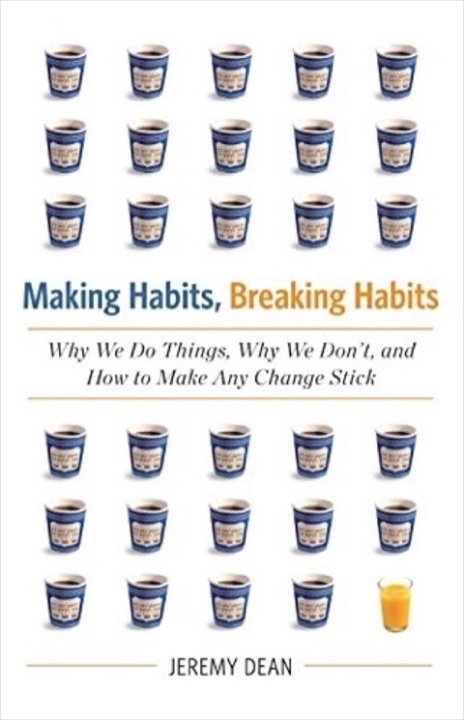
Making Habits, Breaking Habits: Why We Do Things, Why We Don't, and How to Make Any Change Stick
Applying the lessons from "Making Habits, Breaking Habits" by Jeremy Dean to your life can help you make meaningful changes and reinforce positive behaviors. Here’s how you might integrate these insights:
-
Understanding Habits: - Identify Automatic Behaviors: Reflect on your daily routines, such as your morning exercise regimen or your approach to handling stress. Recognize which actions are habitual and consider how they align with your goals. - Leverage the Habit Loop: Use the habit loop (cue, routine, reward) to reinforce positive habits, like your commitment to exercise and personal growth. Identify cues that trigger these habits and ensure the rewards are meaningful to you.
-
Breaking Habits: - Identify Triggers: Keep a habit diary to track any behaviors you wish to change, such as impulsivity or lack of balance. Note the cues that trigger these habits. - Altering the Routine: Find alternative actions that satisfy the same needs. For example, if impulsivity is triggered by stress, consider practicing mindfulness or deep breathing as a new routine. - Gradual Change: Focus on making small, incremental changes rather than drastic ones. This aligns with your belief in resilience and persistence.
-
Making Habits Stick: - Set Clear Goals: Define specific goals for areas you want to improve, such as living in the moment or enhancing your balance. Clearly articulate what success looks like for you. - Consistency and Repetition: Commit to regular practice of new habits, like daily mindfulness exercises or setting aside time for reflection, to reinforce these behaviors. - Harnessing Motivation: Use your personal values, such as kindness and empathy, as motivation to maintain positive habits. Celebrate small victories to keep your motivation high. - Social Support: Engage your family or friends in your habit change journey. Share your goals with them to gain accountability and encouragement.
-
Key Takeaways and Lessons: - Environment Matters: Adjust your environment to support your goals. For instance, create a dedicated space for relaxation or reflection to help you live more in the moment. - Small Changes Lead to Big Results: Embrace the idea that small, consistent changes can lead to significant improvements over time. - Social Support Enhances Success: Leverage your close family relationships to support your habit changes. Their encouragement can be a powerful motivator.
By applying these strategies, you can reinforce your strengths, address areas for improvement, and continue to live a life aligned with your values and aspirations.
What the book covers
"Making Habits, Breaking Habits: Why We Do Things, Why We Don't, and How to Make Any Change Stick" by Jeremy Dean is a comprehensive exploration of the science behind habit formation and change. Dean, a psychologist and the founder of the popular website PsyBlog, delves into the mechanisms of habits, why they are so powerful, and how we can harness this power to make meaningful changes in our lives.
Summary:
Understanding Habits:
-
Definition and Nature of Habits: Dean begins by defining habits as automatic behaviors triggered by specific cues. He explains that habits are formed through repetition and are stored in the brain's basal ganglia, allowing us to perform tasks without conscious thought.
-
The Habit Loop: The book introduces the concept of the habit loop, consisting of a cue, routine, and reward. This loop is crucial for understanding how habits are formed and maintained.
-
The Power of Context: Dean emphasizes the role of environmental cues in triggering habits. He argues that context is often more influential than willpower in determining behavior.
Breaking Habits:
-
Identifying Triggers: To break a habit, one must first identify the cues that trigger it. Dean suggests keeping a habit diary to track when and where the habit occurs.
-
Altering the Routine: Once the trigger is identified, the next step is to change the routine. This involves finding alternative behaviors that satisfy the same need or reward.
-
Gradual Change: Dean advises against attempting drastic changes. Instead, he recommends making small, incremental adjustments to increase the likelihood of success.
Making Habits Stick:
-
Setting Clear Goals: Clear, specific goals are essential for habit formation. Dean stresses the importance of defining what you want to achieve and why.
-
Consistency and Repetition: Habits are formed through consistent repetition. Dean highlights the need for regular practice and patience, as habits can take weeks or even months to solidify.
-
Harnessing Motivation: Motivation is crucial for initiating change. Dean discusses strategies for maintaining motivation, such as visualizing success and celebrating small victories.
-
Social Support: Engaging others in your habit change journey can provide accountability and encouragement. Dean suggests sharing goals with friends or joining groups with similar objectives.
Key Takeaways and Lessons:
- Habits are Powerful: Understanding the automatic nature of habits can help us leverage them for positive change.
- Environment Matters: Altering your environment can be more effective than relying solely on willpower.
- Small Changes Lead to Big Results: Incremental changes are more sustainable and less overwhelming than radical transformations.
- Consistency is Key: Regular practice and repetition are essential for habit formation.
- Social Support Enhances Success: Sharing your goals with others can provide motivation and accountability.
Overall, "Making Habits, Breaking Habits" offers a practical guide to understanding and changing habits. By combining insights from psychology with actionable strategies, Jeremy Dean provides readers with the tools to make lasting changes in their lives.