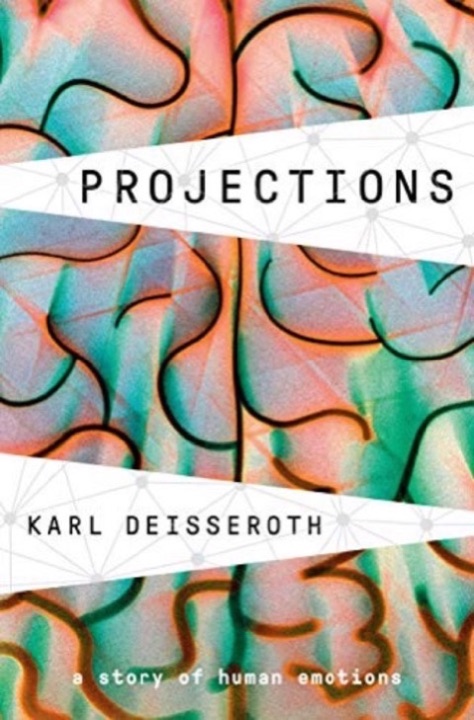
Projections: A Story of Human Emotions
Applying the lessons from "Projections: A Story of Human Emotions" by Karl Deisseroth to your life can enhance your understanding of emotions, improve your relationships, and deepen your self-awareness. Here are some ways you might integrate these insights:
-
Interconnectedness of Mind and Brain: - Reflect on how your emotional experiences are linked to both your brain's biology and your personal history. This awareness can help you approach your emotions with more compassion and understanding, recognizing that they are a natural part of being human.
-
Complexity of Emotions: - Embrace the complexity of your emotions and those of others. When interacting with family, friends, or colleagues, remember that emotions are influenced by many factors. This understanding can foster empathy and patience in your relationships.
-
Potential of Neuroscience: - Stay informed about advancements in neuroscience and consider how they might impact your life and the lives of those around you. Your interest in leveraging technology for the betterment of mankind aligns with the potential of neuroscience to improve mental health treatments.
-
Human Element in Psychiatry: - Continue to prioritize empathy and personal connection in your interactions, whether in your professional life or personal relationships. Your core values of kindness and empathy align with the book's emphasis on the human element in psychiatric care.
-
Ethical Responsibility: - Reflect on the ethical implications of new technologies and treatments, especially in your advocacy work. Consider how these advancements might affect issues you are passionate about, such as equality and human rights.
-
Hope and Resilience: - Draw inspiration from the stories of resilience in the book to reinforce your own resilience and optimism. Your experiences with near-death situations and personal growth demonstrate your ability to overcome challenges, and this mindset can continue to guide you through future obstacles.
By integrating these lessons into your life, you can deepen your understanding of yourself and others, enhance your relationships, and continue to contribute positively to society.
What the book covers
"Projections: A Story of Human Emotions" by Karl Deisseroth is a compelling exploration of the human mind and emotions through the lens of both neuroscience and psychiatry. Deisseroth, a renowned neuroscientist and psychiatrist, combines his professional expertise with poignant storytelling to delve into the complexities of human emotions and the brain's role in shaping them.
Summary:
Structure and Approach: The book is structured around a series of patient stories from Deisseroth's psychiatric practice, interwoven with insights from his groundbreaking research in optogenetics—a technique he pioneered that allows scientists to control neurons with light. Each chapter focuses on a different emotional or psychological condition, such as depression, anxiety, or psychosis, and uses these case studies to explore broader questions about the nature of emotions and consciousness.
Patient Stories: Deisseroth shares detailed narratives of his interactions with patients, providing a human face to the often abstract concepts of neuroscience. These stories are not only clinical but deeply personal, highlighting the struggles and triumphs of individuals dealing with mental health issues. Through these narratives, Deisseroth illustrates how emotions manifest in the brain and how they can be both debilitating and transformative.
Scientific Insights: Interspersed with these stories are explanations of the underlying neuroscience. Deisseroth discusses how emotions are processed in the brain, the role of different neural circuits, and how disruptions in these processes can lead to mental health disorders. He also explains the science behind optogenetics and its potential to revolutionize our understanding of the brain.
Philosophical and Ethical Considerations: The book also delves into philosophical questions about the nature of consciousness and the self. Deisseroth reflects on the ethical implications of manipulating the brain and the potential for new treatments that could alter fundamental aspects of human experience.
Key Takeaways and Lessons:
-
Interconnectedness of Mind and Brain: Deisseroth emphasizes the intricate connection between the physical brain and the intangible mind. Understanding this relationship is crucial for both scientific advancement and compassionate psychiatric care.
-
Complexity of Emotions: Emotions are complex and multifaceted, influenced by a myriad of factors including genetics, environment, and individual experiences. This complexity requires a nuanced approach to treatment and understanding.
-
Potential of Neuroscience: Advances in neuroscience, particularly techniques like optogenetics, hold great promise for unraveling the mysteries of the brain and developing new treatments for mental health disorders.
-
Human Element in Psychiatry: Despite technological advancements, the human element remains central to psychiatry. Empathy, understanding, and personal connection are vital components of effective treatment.
-
Ethical Responsibility: With great power comes great responsibility. The ability to manipulate brain activity raises ethical questions about the nature of free will, identity, and the potential for misuse.
-
Hope and Resilience: The stories of patients highlight the resilience of the human spirit and the hope that comes with scientific progress. Even in the face of severe mental illness, there is potential for healing and understanding.
In "Projections," Karl Deisseroth provides a rich tapestry of science, storytelling, and philosophy, offering readers a deeper understanding of what it means to be human. The book is a testament to the power of empathy and the ongoing quest to understand the human mind.