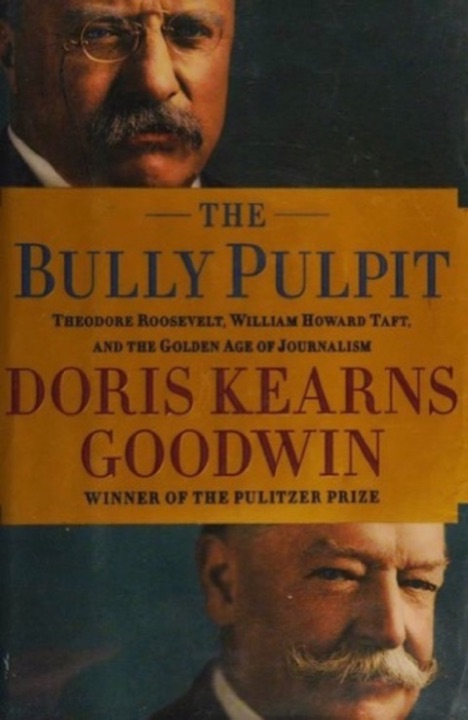
The Bully Pulpit: Theodore Roosevelt and the Golden Age of Journalism
Applying the lessons from "The Bully Pulpit: Theodore Roosevelt and the Golden Age of Journalism" by Doris Kearns Goodwin to your life can be both insightful and transformative, given your experiences and values. Here are some ways you might integrate these lessons:
-
Harnessing the "Bully Pulpit": Just as Theodore Roosevelt used his position to advocate for change, you can leverage your own platforms—whether in your professional life, personal interactions, or advocacy work—to influence and inspire others. Your experiences and insights can be powerful tools for driving positive change in areas you are passionate about, such as equality and social justice.
-
Embracing the Role of Journalism: Recognize the importance of staying informed and supporting investigative journalism. Given your belief in equality and social justice, you can use your voice to amplify important issues and support media outlets that align with your values. This can also involve sharing credible information and engaging in discussions that promote understanding and awareness.
-
Fostering Collaboration for Change: The symbiotic relationship between Roosevelt and the muckrakers highlights the power of collaboration. You can apply this by building alliances with like-minded individuals and organizations to address societal issues. Your involvement in activism and advocacy work can benefit from partnerships that enhance your impact and reach.
-
Navigating Challenges of Reform: The book illustrates the complexities of implementing reforms, which aligns with your experiences of persistence and resilience. When facing obstacles in your advocacy efforts or personal goals, remember the importance of strategic alliances, public support, and perseverance to overcome challenges.
-
Living the Legacy of Progressivism: The progressive era's focus on addressing social and economic inequalities resonates with your values. Continue to advocate for these issues in your personal and professional life, using your experiences and insights to contribute to ongoing conversations and efforts for change.
-
Communicating with Purpose: Roosevelt's effective communication style can inspire you to refine your own approach. Your direct, warm, and humorous communication style can be a powerful tool for engaging others and conveying your message. Consider how you can use your communication skills to influence and inspire those around you.
-
Reflecting on Personal Growth: Just as the book explores the growth and impact of its subjects, continue to embrace personal growth and self-reflection. Your commitment to being a lifelong learner and evaluating your actions aligns with this lesson. Use your experiences, both successes and failures, as opportunities for growth and development.
By integrating these lessons into your life, you can continue to make a meaningful impact in your personal and professional endeavors, while staying true to your core values of kindness, empathy, and resilience.
What the book covers
"The Bully Pulpit: Theodore Roosevelt and the Golden Age of Journalism" by Doris Kearns Goodwin is a comprehensive exploration of the dynamic relationship between President Theodore Roosevelt and the journalists of the Progressive Era, particularly focusing on the role of the press in shaping public policy and opinion. The book delves into the lives and careers of Roosevelt and several influential journalists, highlighting how their interactions and mutual influence helped to usher in significant social and political reforms.
Summary:
-
Theodore Roosevelt's Rise: The book begins with Roosevelt's ascent to the presidency, detailing his background, personality, and political philosophy. Roosevelt is portrayed as a charismatic and energetic leader who understood the power of the presidency as a "bully pulpit" to advocate for change and rally public support.
-
The Muckrakers: Goodwin introduces key journalists of the era, known as muckrakers, who played a crucial role in exposing corruption and social injustices. Figures like Ida Tarbell, Lincoln Steffens, and Ray Stannard Baker are profiled, showcasing their investigative work and its impact on society.
-
The Symbiotic Relationship: The narrative emphasizes the symbiotic relationship between Roosevelt and the press. Roosevelt leveraged the media to promote his progressive agenda, while journalists used their platforms to hold the government accountable and push for reforms.
-
Major Reforms and Challenges: The book covers significant reforms during Roosevelt's presidency, including antitrust actions, labor rights, and consumer protections. It also addresses the challenges he faced, such as opposition from conservative factions and the complexities of navigating political alliances.
-
William Howard Taft: Goodwin provides an in-depth look at Roosevelt's successor, William Howard Taft, and the eventual rift between the two. The book examines how Taft's presidency diverged from Roosevelt's vision, leading to political tensions and the 1912 election.
-
Legacy and Impact: The book concludes with an analysis of the lasting impact of Roosevelt's presidency and the golden age of journalism. It highlights how the collaboration between a proactive leader and a vigilant press can drive significant societal change.
Key Takeaways and Lessons:
-
The Power of the Presidency: Roosevelt's use of the "bully pulpit" demonstrates the potential of the presidency to influence public opinion and effect change. Leaders can harness media platforms to communicate directly with the populace and advocate for reforms.
-
The Role of Journalism: The muckrakers exemplify the critical role of journalism in a democracy. Investigative reporting can uncover truths, challenge power structures, and catalyze reform by informing and mobilizing the public.
-
Collaboration for Change: The book underscores the importance of collaboration between government and media to address societal issues. Constructive relationships between leaders and journalists can lead to meaningful progress.
-
Challenges of Reform: The narrative illustrates the complexities and resistance faced when implementing reforms. It highlights the need for persistence, strategic alliances, and public support to overcome obstacles.
-
Legacy of Progressivism: The era covered in the book serves as a reminder of the enduring impact of progressive policies and the ongoing relevance of addressing social and economic inequalities.
Overall, "The Bully Pulpit" provides a detailed and engaging account of a transformative period in American history, offering insights into the interplay between leadership, media, and reform.