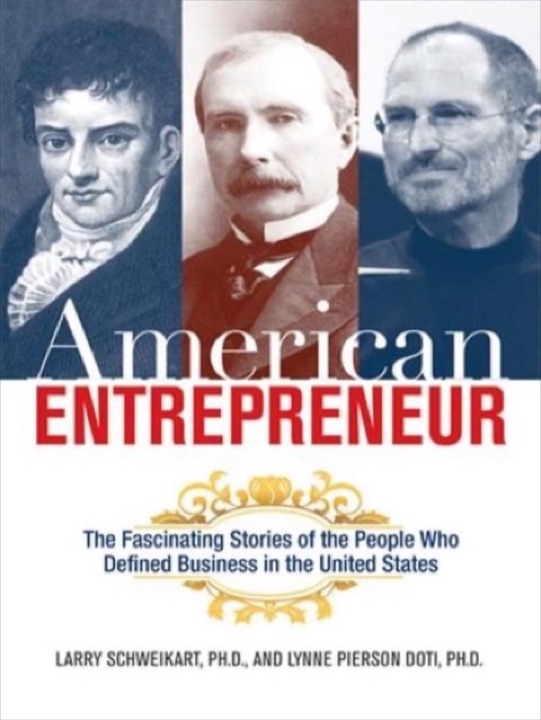
American Entrepreneur
Based on your detailed personal narrative and the lessons from "American Entrepreneur" by Larry Schweikart, here are some ways you might apply the book's insights to your life:
-
Risk and Resilience: You've already demonstrated resilience through your near-death experiences and your approach to life's challenges. Continue to embrace calculated risks in your personal and professional endeavors, knowing that setbacks can lead to growth and new opportunities.
-
Vision and Innovation: Your aspiration to live in the moment and your interest in leveraging technology for societal betterment align with the book's emphasis on vision and innovation. Consider how you can further integrate these elements into your daily life, perhaps by exploring new technologies or ideas that align with your values and goals.
-
Adaptability: You've shown adaptability in various aspects of your life, from your career to your personal growth. Continue to be open to change and new experiences, such as your interest in skydiving, which can enrich your life and provide fresh perspectives.
-
Ethical Considerations: Your strong ethical beliefs and passion for social issues resonate with the book's discussion on the ethical challenges in business. Apply these principles by continuing your advocacy work and ensuring that your actions align with your values of kindness and empathy.
-
Influence of Policy and Regulation: As someone who is politically aware and independent, consider how you can engage with policies and regulations that impact the areas you care about, such as civil rights and equality. Your voice and actions can contribute to positive change in these areas.
-
Legacy and Impact: Reflect on the legacy you wish to leave, particularly in terms of your family and societal contributions. Your desire to be remembered as someone who lived fully and was kind to everyone aligns with the book's theme of leaving a lasting impact. Continue to nurture your relationships and pursue endeavors that align with this vision.
By integrating these lessons into your life, you can continue to grow as an individual and make meaningful contributions to the world around you.
What the book covers
"American Entrepreneur: The Fascinating Stories of the People Who Defined Business in the United States" by Larry Schweikart is a comprehensive exploration of the history of entrepreneurship in America. The book delves into the lives and achievements of various influential figures who have shaped the business landscape of the United States. Here’s a detailed summary and some key takeaways from the book:
Summary:
-
Historical Context: Schweikart begins by setting the stage with the early days of American entrepreneurship, highlighting how the spirit of innovation and risk-taking was integral to the country's development. The book traces the evolution of business from the colonial period through the industrial revolution and into the modern era.
-
Profiles of Key Entrepreneurs: The book provides detailed profiles of numerous entrepreneurs who have left a significant mark on American business. These include well-known figures like Andrew Carnegie, John D. Rockefeller, Henry Ford, and Steve Jobs, as well as lesser-known but equally impactful individuals. Schweikart examines their backgrounds, the challenges they faced, and the strategies they employed to succeed.
-
Innovation and Adaptation: A recurring theme in the book is the importance of innovation and the ability to adapt to changing circumstances. Schweikart illustrates how entrepreneurs have consistently pushed the boundaries of technology and business practices to meet the demands of their times.
-
Impact on Society: The book also discusses the broader impact of these entrepreneurs on American society, including economic growth, job creation, and contributions to the country's global standing. Schweikart does not shy away from discussing the controversies and ethical dilemmas that often accompany business success.
-
Cultural and Economic Shifts: Schweikart explores how cultural and economic shifts have influenced entrepreneurial activity in the U.S. He examines periods of rapid change, such as the post-World War II boom and the digital revolution, and how entrepreneurs have navigated these transitions.
Key Takeaways and Lessons:
-
Risk and Resilience: One of the key lessons from the book is the importance of taking calculated risks and demonstrating resilience in the face of failure. Many of the entrepreneurs profiled experienced setbacks but persevered to achieve success.
-
Vision and Innovation: Successful entrepreneurs often possess a clear vision and the ability to innovate. They are not afraid to challenge the status quo and are constantly looking for ways to improve and expand their businesses.
-
Adaptability: The ability to adapt to new technologies, market conditions, and consumer preferences is crucial. Entrepreneurs who can pivot and adjust their strategies are more likely to thrive in a competitive environment.
-
Ethical Considerations: The book highlights the ethical challenges that can arise in business. Entrepreneurs must balance the pursuit of profit with social responsibility and ethical conduct.
-
Influence of Policy and Regulation: Government policies and regulations can significantly impact entrepreneurial activity. Understanding and navigating these factors is essential for business success.
-
Legacy and Impact: Beyond personal success, many entrepreneurs have left lasting legacies that have shaped industries and communities. Their stories underscore the potential for business to drive positive change in society.
Overall, "American Entrepreneur" provides an insightful look into the dynamic world of American business and the individuals who have driven its progress. It serves as both a historical account and a source of inspiration for aspiring entrepreneurs.