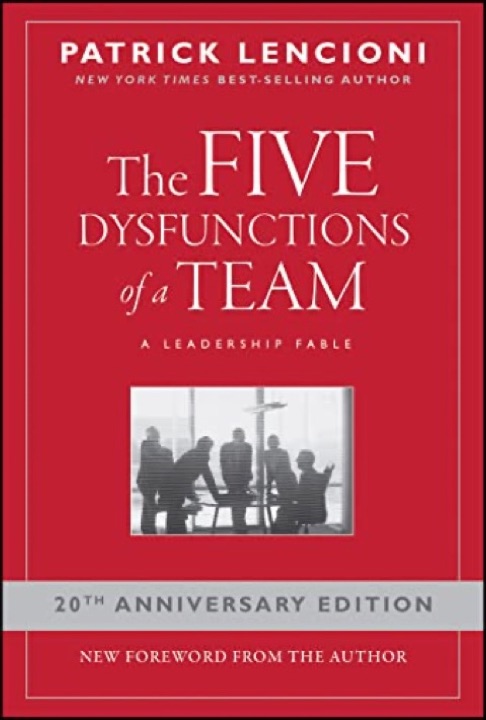
The Five Dysfunctions of a Team
Applying the lessons from "The Five Dysfunctions of a Team" by Patrick Lencioni to your life can enhance your personal and professional relationships, improve teamwork, and help you achieve your goals more effectively. Here’s how you might integrate these lessons:
-
Absence of Trust: - Application: Embrace vulnerability in your relationships. Share your experiences, including your near-death experiences and personal challenges, to build deeper connections. Encourage openness and honesty with your family, friends, and colleagues by being transparent about your own strengths and weaknesses.
-
Fear of Conflict: - Application: Foster an environment where constructive conflict is welcomed. Use your direct and humorous communication style to address issues openly and encourage others to express their opinions. Model healthy conflict resolution by staying calm and composed, even in stressful situations.
-
Lack of Commitment: - Application: Ensure clarity and alignment in your personal and professional decisions. When making decisions, involve others by seeking their input and ensuring everyone understands the rationale behind your choices. This approach can strengthen your relationships and ensure everyone is on the same page.
-
Avoidance of Accountability: - Application: Cultivate a culture of accountability in your interactions. Encourage your family and colleagues to hold each other accountable for their actions. Use your resilience and persistence to set clear expectations and follow through on commitments.
-
Inattention to Results: - Application: Focus on collective outcomes rather than individual achievements. Align your personal goals, such as living in the moment and achieving societal equality, with the broader objectives of your family and community. Celebrate shared successes and encourage others to prioritize collective well-being.
Additional Insights:
-
Vulnerability-Based Trust: Use your experiences and personal philosophy to build trust with others. Share your journey of personal growth and the lessons you've learned from failures to inspire and connect with those around you.
-
Healthy Conflict: Leverage your ability to find humor in situations to diffuse tension and facilitate open discussions. Encourage others to view conflict as an opportunity for growth and innovation.
-
Commitment Through Clarity: Apply your decision-making process, which involves gathering information and seeking input, to ensure clarity and commitment in your relationships and endeavors.
-
Accountability Culture: Use your ethical beliefs and passion for social issues to hold yourself and others accountable for actions that align with your values.
-
Focus on Collective Results: Align your aspirations, such as leveraging technology for societal betterment, with the goals of your community and professional networks.
By integrating these lessons into your life, you can enhance your relationships, foster a supportive and collaborative environment, and work towards achieving your personal and collective goals more effectively.
What the book covers
"The Five Dysfunctions of a Team" by Patrick Lencioni is a business fable that explores the challenges teams face in working together effectively. The book is structured around a fictional story of a struggling technology company, DecisionTech, and its new CEO, Kathryn Petersen, who is tasked with turning the team around. Through this narrative, Lencioni identifies five core dysfunctions that hinder team performance and offers insights on how to overcome them.
The Five Dysfunctions:
-
Absence of Trust: - Description: The root of the dysfunctions, absence of trust occurs when team members are unwilling to be vulnerable within the group. They are afraid to admit weaknesses, mistakes, or ask for help. - Solution: Building trust requires shared experiences, follow-through on promises, and understanding each team member's unique contributions and challenges.
-
Fear of Conflict: - Description: Without trust, teams are incapable of engaging in unfiltered, passionate debate about ideas. They resort to veiled discussions and guarded comments. - Solution: Encourage open, constructive conflict and debate. Leaders should model appropriate conflict behavior and encourage others to do the same.
-
Lack of Commitment: - Description: When team members fail to voice their opinions openly, they rarely buy into decisions, leading to ambiguity and lack of commitment. - Solution: Ensure clarity and closure in meetings. Leaders should push for clear decisions and ensure everyone is aligned with the outcomes.
-
Avoidance of Accountability: - Description: Without commitment, team members hesitate to call out peers on counterproductive actions and behaviors, leading to poor performance. - Solution: Foster a culture of accountability by setting clear standards and expectations. Encourage peer-to-peer accountability rather than relying solely on the leader.
-
Inattention to Results: - Description: When team members put their individual needs (ego, career development, recognition) above the collective goals of the team, results suffer. - Solution: Focus on collective outcomes. Leaders should set the tone by prioritizing team results over individual success.
Key Takeaways and Lessons:
-
Vulnerability-Based Trust: Trust is foundational for effective teamwork. It requires vulnerability and openness among team members.
-
Healthy Conflict: Embrace conflict as a means to achieve better solutions. Constructive conflict leads to better decision-making and innovation.
-
Commitment Through Clarity: Clear communication and decisive actions foster commitment. Ensure everyone understands and agrees with team decisions.
-
Accountability Culture: Encourage team members to hold each other accountable. This shared responsibility strengthens the team and improves performance.
-
Focus on Collective Results: Align individual goals with team objectives. Success is measured by the achievement of collective goals, not individual accolades.
Lencioni's book emphasizes that overcoming these dysfunctions requires intentional effort and leadership. By addressing these dysfunctions, teams can improve their performance, enhance collaboration, and achieve their goals more effectively. The book is a practical guide for leaders and team members seeking to build cohesive and high-performing teams.