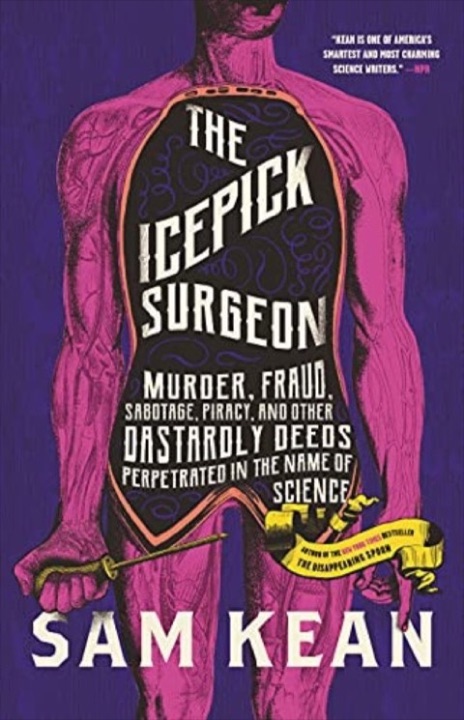
The Icepick Surgeon
Applying the lessons from "The Icepick Surgeon" by Sam Kean to your life involves reflecting on the ethical dimensions of your actions and decisions, both personally and professionally. Here are some ways you might integrate these lessons:
-
Prioritize Ethics in Decision-Making: - Given your background in medicine and your emphasis on kindness and empathy, continue to prioritize ethical considerations in your professional life. Ensure that your actions align with your core values, even when faced with challenging situations.
-
Reflect on Motivations: - Regularly assess your motivations, especially when pursuing ambitious goals. Ensure that your drive for achievement does not overshadow ethical standards or lead to compromising situations.
-
Learn from Historical Context: - Use the historical cases of scientific misconduct as cautionary tales. Reflect on how past transgressions can inform your approach to ethical dilemmas, ensuring that you maintain integrity in all aspects of your life.
-
Embrace Oversight and Accountability: - Welcome oversight and accountability in your professional and personal endeavors. Encourage feedback and constructive criticism to help you stay aligned with ethical standards.
-
Foster Public Trust: - As someone who values kindness and empathy, work to build and maintain trust with those around you. Whether in your professional role or personal relationships, ensure that your actions foster trust and transparency.
-
Balance Ambition with Integrity: - While you have a strong drive to accomplish more in life, ensure that your pursuit of goals does not come at the expense of ethical integrity. Strive to achieve your aspirations while maintaining a strong moral compass.
-
Advocate for Ethical Standards: - Given your involvement in activism and advocacy, continue to champion ethical standards in your community and professional circles. Use your voice to promote fairness, equality, and integrity.
-
Reflect on Personal Growth: - As you continue to grow and evolve, regularly reflect on how your experiences and decisions align with your ethical beliefs. Use past failures and successes as learning opportunities to reinforce your commitment to ethical living.
By integrating these lessons into your life, you can ensure that your actions and decisions are guided by a strong ethical framework, ultimately contributing to a more just and compassionate world.
What the book covers
"The Icepick Surgeon: Murder, Fraud, Sabotage, Piracy, and Other Dastardly Deeds Perpetrated in the Name of Science" by Sam Kean is a compelling exploration of the darker side of scientific history. Kean, known for his engaging storytelling and deep dives into scientific topics, examines how the pursuit of knowledge and scientific advancement has sometimes led individuals to commit unethical, immoral, and even criminal acts.
Summary:
-
Historical Context and Themes: - Kean delves into various historical episodes where scientists and researchers crossed ethical lines. The book covers a wide range of time periods and scientific disciplines, illustrating that the temptation to prioritize discovery over ethics is not confined to any one era or field.
-
Notable Cases: - The book includes stories of infamous figures such as Dr. Walter Freeman, the titular "Icepick Surgeon," who popularized the lobotomy procedure, often with disastrous results. - It also covers lesser-known but equally disturbing cases, such as grave-robbing anatomists, scientists who engaged in piracy to obtain specimens, and researchers who committed fraud to secure fame or funding.
-
Motivations and Justifications: - Kean explores the motivations behind these unethical actions, including ambition, the desire for recognition, financial gain, and sometimes a genuine belief that the ends justified the means. - The book also examines how societal pressures and the competitive nature of scientific research can lead individuals to compromise their morals.
-
Consequences and Reflections: - The narrative highlights the consequences of these actions, both for the individuals involved and for society at large. It reflects on how these unethical practices have sometimes set back scientific progress or led to public mistrust in science.
-
Ethical Considerations: - Kean raises important questions about the ethical responsibilities of scientists and the importance of maintaining integrity in research. He discusses how modern ethical standards and regulations have evolved in response to past transgressions.
Key Takeaways and Lessons:
- The Importance of Ethics in Science:
-
Scientific progress should never come at the expense of ethical standards. The book underscores the necessity of maintaining a balance between the pursuit of knowledge and ethical responsibility.
-
Learning from the Past:
-
By examining historical cases of scientific misconduct, we can better understand the potential pitfalls and ensure that future scientific endeavors are conducted with integrity.
-
The Role of Oversight:
-
The establishment of ethical guidelines and oversight bodies is crucial in preventing misconduct and ensuring that research is conducted responsibly.
-
Human Nature and Science:
-
The book highlights the complex interplay between human nature and scientific ambition, reminding readers that scientists are not immune to the same flaws and temptations that affect everyone.
-
Public Trust in Science:
- Maintaining public trust is essential for the continued support and advancement of scientific research. Ethical breaches can have long-lasting impacts on public perception and trust.
In "The Icepick Surgeon," Sam Kean provides a thought-provoking examination of the ethical dilemmas faced by scientists throughout history, offering valuable insights into the importance of maintaining ethical standards in the pursuit of knowledge.