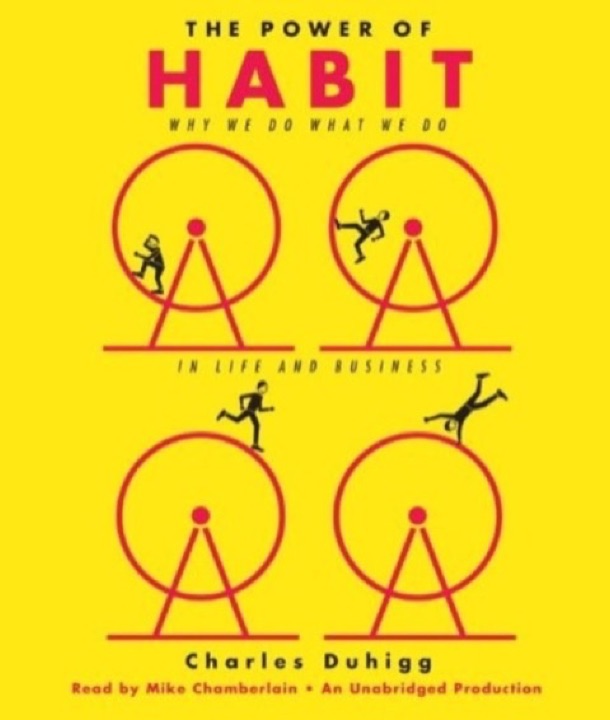
The Power of Habit: Why We Do What We Do in Life and Business
Applying the lessons from "The Power of Habit" by Charles Duhigg to your life can be a transformative process, especially given your rich experiences and personal philosophy. Here’s how you might integrate the book’s insights into your life:
-
Understanding and Modifying Personal Habits: - Habit Loop Awareness: Identify the cues, routines, and rewards in your daily habits. For example, if you want to incorporate skydiving into your life, recognize what cues might trigger this desire and what rewards you seek from it. This awareness can help you plan and execute this aspiration. - Craving Identification: Reflect on the cravings driving your habits, such as your love for flying or exercising. Understanding these cravings can help you maintain beneficial habits and modify those you wish to change.
-
Focusing on Keystone Habits: - Identify Keystone Habits: Determine which habits have the most significant impact on your life. For instance, your morning routine of exercise and cold plunges might be a keystone habit that sets a positive tone for your day. By reinforcing these habits, you can create a ripple effect that enhances other areas of your life. - Cultivate Willpower: Like Starbucks employees, you can develop willpower by setting small, achievable goals that build discipline over time. This can help you tackle larger challenges, such as living more in the moment or pursuing new experiences like skydiving.
-
Leveraging Social Habits for Change: - Engage in Social Movements: Given your passion for social issues like equality and anti-human trafficking, use your understanding of social habits to drive change. Participate in or lead initiatives that align with your values, using the power of collective habits to amplify your impact. - Influence Through Example: Your direct and humorous communication style can be a powerful tool in influencing others. Use it to inspire those around you to adopt positive habits and attitudes.
-
Balancing Habit and Free Will: - Exercise Free Will: While habits are powerful, remember that you have the ability to change them. Use your resilience and persistence to consciously choose actions that align with your core values of kindness and empathy. - Reflect and Adjust: Regularly evaluate your habits and their impact on your life. This reflection can help you make informed decisions about which habits to maintain, modify, or eliminate.
-
Applying Lessons to Personal Growth: - Embrace Lifelong Learning: Your mindset of being in a constant state of beta aligns with the book’s emphasis on growth and change. Continue to seek new knowledge and experiences, using the habit loop framework to integrate them into your life. - Cultivate Presence: Work on living in the moment by identifying habits that distract you from being present. Replace these routines with practices that enhance mindfulness, such as meditation or focused breathing exercises.
By applying these lessons, you can harness the power of habits to enhance your personal growth, achieve your aspirations, and make a positive impact on the world around you.
What the book covers
"The Power of Habit: Why We Do What We Do in Life and Business" by Charles Duhigg explores the science behind why habits exist and how they can be changed. The book is divided into three parts: the habits of individuals, the habits of successful organizations, and the habits of societies.
Part One: The Habits of Individuals
-
The Habit Loop: Duhigg introduces the concept of the habit loop, which consists of a cue, a routine, and a reward. Understanding this loop is crucial to changing habits.
-
The Craving Brain: Habits are driven by cravings. By identifying the craving behind a habit, individuals can change the routine while keeping the cue and reward the same.
-
The Golden Rule of Habit Change: To change a habit, keep the old cue and reward but change the routine. This is illustrated through examples like Alcoholics Anonymous, which replaces the routine of drinking with meetings and support.
Part Two: The Habits of Successful Organizations
-
Keystone Habits: Some habits have the power to start a chain reaction and change other habits. Identifying and focusing on these keystone habits can lead to significant organizational change.
-
The Case of Alcoa: Duhigg discusses how Paul O'Neill transformed Alcoa by focusing on safety as a keystone habit, which led to improved performance across the company.
-
Starbucks and Willpower: The book highlights how Starbucks trains employees to develop willpower, a key habit that can improve performance and customer service.
Part Three: The Habits of Societies
-
Social Movements: Duhigg examines how habits play a role in social movements, using the civil rights movement as an example. Social habits can be powerful drivers of change.
-
The Neurology of Free Will: The book discusses the balance between habits and free will, emphasizing that while habits are powerful, individuals have the ability to change them with effort and awareness.
Key Takeaways and Lessons
-
Understanding the Habit Loop: Recognizing the cue-routine-reward loop is essential for changing habits. By altering the routine while keeping the cue and reward, individuals can effectively change their habits.
-
Focus on Keystone Habits: Identifying and changing keystone habits can lead to widespread changes in personal and organizational behavior.
-
The Power of Cravings: Understanding the cravings that drive habits can help in modifying them. By addressing the underlying craving, one can change the habit loop.
-
Willpower as a Habit: Willpower can be cultivated like a muscle. Organizations and individuals can develop willpower through practice and training, leading to better outcomes.
-
Social Habits and Change: Habits are not only personal but also social. Understanding the role of habits in societal change can help in driving movements and organizational transformation.
-
Balance Between Habit and Free Will: While habits are powerful, they do not eliminate free will. With awareness and effort, individuals can change their habits and take control of their actions.
Overall, "The Power of Habit" provides a comprehensive look at how habits work and offers practical strategies for changing them, both on an individual and organizational level.