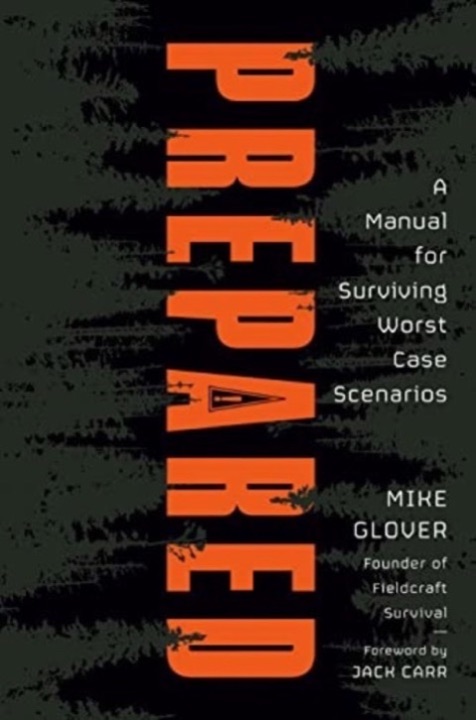
Prepared: A Manual for Surviving Worst-Case Scenarios
Applying the lessons from "Prepared: A Manual for Surviving Worst-Case Scenarios" by Mike Glover to your life can enhance your readiness for unexpected challenges and align with your values and experiences. Here’s how you might integrate these lessons:
-
Mindset and Preparedness: - Continue cultivating your survival mindset by embracing resilience and adaptability, which you already value. Reflect on your past experiences, like surviving plane crashes, to reinforce your mental toughness and readiness for future challenges.
-
Situational Awareness: - Enhance your situational awareness by staying observant and mindful of your surroundings, especially during activities like flying or traveling. This aligns with your interest in being the calmest person in the room during emergencies.
-
Basic Survival Skills: - Consider learning or refreshing basic survival skills, such as first aid, which could be useful in both your professional role as a physician and personal life. This complements your desire to be prepared and helpful in critical situations.
-
Self-Defense and Security: - Explore self-defense techniques that could provide additional security for you and your loved ones. This aligns with your ethical beliefs about protecting others and your involvement in advocacy work.
-
Emergency Planning: - Develop or refine emergency plans for various scenarios, including natural disasters or personal crises. Ensure you have a go-bag and essential supplies ready, which aligns with your proactive approach to life and preparedness.
-
Communication and Navigation: - Strengthen your communication skills during emergencies by learning about radios or signaling methods. This complements your direct and humorous communication style and your forward-thinking approach to technology.
-
Psychological Resilience: - Continue building psychological resilience by practicing stress management techniques and maintaining your optimistic worldview. This aligns with your belief in living in the moment and finding humor in life’s challenges.
Key Takeaways and Lessons:
- Preparedness is a Lifestyle: Integrate survival skills into your daily routine, much like your commitment to fitness and personal growth.
- Adaptability is Crucial: Embrace flexibility in your thinking and actions, which aligns with your belief in lifelong learning and personal development.
- Knowledge is Power: Continue expanding your knowledge and skills, reflecting your passion for continuous education and self-improvement.
- Community and Teamwork: Leverage your network of family and friends for support during emergencies, aligning with your values of loyalty and friendship.
- Stay Calm and Think Clearly: Maintain your composure in high-pressure situations, drawing on your experience in emergency medicine and aviation.
By applying these lessons, you can enhance your preparedness for worst-case scenarios while staying true to your core values and personal philosophy.
What the book covers
"Prepared: A Manual for Surviving Worst-Case Scenarios" by Mike Glover, with a foreword by Jack Carr, is a comprehensive guide designed to equip readers with the skills and mindset necessary to navigate and survive a variety of challenging situations. Mike Glover, a former Green Beret and seasoned survival expert, draws on his extensive experience to provide practical advice and strategies for dealing with emergencies and unexpected crises.
Summary:
-
Mindset and Preparedness: - The book emphasizes the importance of cultivating a survival mindset. Glover stresses that mental resilience and adaptability are crucial in overcoming adversity. - Preparedness is not just about having the right gear but also about being mentally and physically ready to face challenges.
-
Situational Awareness: - Glover highlights the need for heightened situational awareness. Understanding your environment and potential threats is key to making informed decisions in high-pressure situations. - The book provides techniques for improving observation skills and recognizing danger signals.
-
Basic Survival Skills: - The manual covers essential survival skills such as building shelters, finding and purifying water, and starting fires. - Glover also discusses the importance of first aid knowledge and how to handle medical emergencies when professional help is unavailable.
-
Self-Defense and Security: - Personal security is a major focus, with advice on self-defense tactics and strategies for protecting oneself and loved ones. - The book includes guidance on using everyday objects as weapons and understanding the basics of hand-to-hand combat.
-
Emergency Planning: - Glover outlines how to create effective emergency plans tailored to different scenarios, including natural disasters, civil unrest, and personal crises. - The importance of having a go-bag and maintaining a stockpile of essential supplies is discussed in detail.
-
Communication and Navigation: - Effective communication strategies during emergencies are explored, including the use of radios and signaling for help. - The book also covers navigation skills, such as reading maps and using a compass, to ensure safe travel in unfamiliar terrain.
-
Psychological Resilience: - Glover addresses the psychological challenges of survival, including stress management and maintaining morale. - Techniques for staying calm and focused under pressure are provided to help readers build mental toughness.
Key Takeaways and Lessons:
- Preparedness is a Lifestyle: Being prepared is an ongoing process that involves continuous learning and practice. It's about integrating survival skills into everyday life.
- Adaptability is Crucial: The ability to adapt to changing circumstances is one of the most important traits for survival. Flexibility in thinking and action can make the difference between success and failure.
- Knowledge is Power: Having a broad range of skills and knowledge increases your chances of surviving any scenario. Continuous education and training are vital.
- Community and Teamwork: Building a network of like-minded individuals can provide support and resources during emergencies. Teamwork often enhances survival prospects.
- Stay Calm and Think Clearly: Panic can be a survivor's worst enemy. Maintaining composure and thinking strategically are essential for making sound decisions.
Overall, "Prepared" serves as a valuable resource for anyone interested in enhancing their survival skills and readiness for worst-case scenarios. It combines practical advice with insights into the psychological aspects of survival, making it a well-rounded guide for both novices and experienced survivalists.