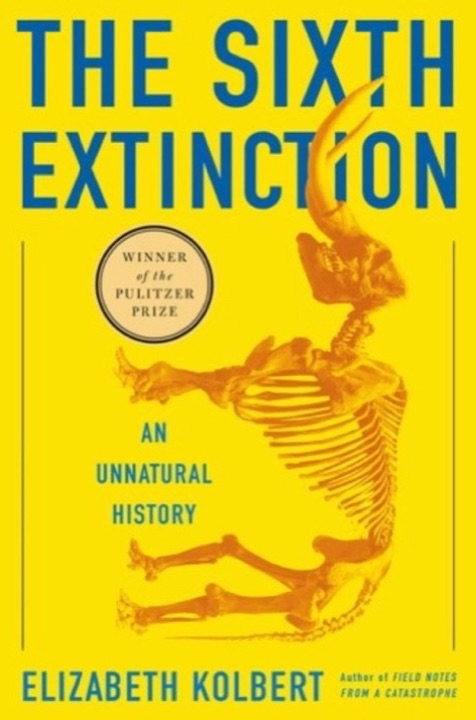
The Sixth Extinction: An Unnatural History
Applying the lessons from "The Sixth Extinction: An Unnatural History" by Elizabeth Kolbert to your life can be a meaningful way to align your actions with the urgent environmental challenges the book highlights. Here are some ways you might integrate these lessons:
-
Increase Awareness and Advocacy: - Use your platform and influence to raise awareness about biodiversity loss and the current extinction crisis. Given your background in activism and advocacy, you could expand your efforts to include environmental causes, such as supporting conservation organizations or participating in campaigns to protect endangered species.
-
Promote Sustainable Practices: - Incorporate sustainable practices into your daily life and encourage others to do the same. This could include reducing your carbon footprint, minimizing waste, supporting sustainable products, and advocating for policies that protect the environment.
-
Educate and Inspire Others: - Leverage your communication skills and direct, humorous style to educate others about the interconnectedness of life and the importance of biodiversity. You could write articles, give talks, or engage in discussions that inspire others to take action.
-
Support Scientific Research: - Given your interest in scientific advancements, consider supporting research efforts aimed at understanding and mitigating the impacts of human activity on ecosystems. This could involve funding research projects, collaborating with scientists, or using your network to connect researchers with resources.
-
Reflect on Human Responsibility: - Reflect on the ethical considerations of human impact on the planet and how your actions align with your core values of kindness and empathy. Consider how you can take responsibility for your environmental footprint and encourage others to do the same.
-
Embrace a Holistic Perspective: - Adopt a holistic perspective that recognizes the interconnectedness of all life forms. This aligns with your belief in reincarnation and the idea that we are all part of a larger cycle. Use this perspective to guide your decisions and interactions with the natural world.
-
Foster Resilience and Hope: - While the book presents a grim outlook, it also emphasizes the resilience of nature. Use your strengths in resilience and optimism to foster hope and inspire others to believe in the possibility of recovery and positive change.
By integrating these lessons into your life, you can contribute to a more sustainable future and help address the environmental challenges highlighted in "The Sixth Extinction."
What the book covers
"The Sixth Extinction: An Unnatural History" by Elizabeth Kolbert is a compelling exploration of the ongoing mass extinction event caused by human activity. Kolbert, a journalist and author, delves into the history of extinction and the role humans play in accelerating the loss of biodiversity. The book is structured around a series of case studies that illustrate the impact of human actions on various species and ecosystems.
Summary:
-
Introduction to Extinction: Kolbert begins by discussing the concept of extinction, which was not always accepted in scientific circles. She explains how the understanding of extinction has evolved, particularly through the work of early naturalists and paleontologists.
-
The Five Previous Extinctions: The book outlines the five major extinction events in Earth's history, such as the Permian-Triassic extinction and the Cretaceous-Paleogene extinction, which famously wiped out the dinosaurs. These events were caused by natural phenomena like volcanic eruptions and asteroid impacts.
-
The Sixth Extinction: Kolbert argues that we are currently in the midst of a sixth mass extinction, driven by human activities. Unlike previous extinctions, this one is characterized by its rapid pace and the fact that it is caused by a single species—humans.
-
Case Studies: - The Golden Frog: Kolbert describes the plight of the Panamanian golden frog, which is threatened by a fungal disease spread by human activity. - The Great Auk: She recounts the extinction of the Great Auk, a flightless bird hunted to extinction by humans. - Coral Reefs: The book examines the decline of coral reefs due to ocean acidification and warming, both consequences of climate change. - Rainforests and Biodiversity: Kolbert explores the loss of biodiversity in rainforests, highlighting the interconnectedness of species and ecosystems.
-
Human Impact: The book discusses various ways humans contribute to extinction, including habitat destruction, pollution, introduction of invasive species, and climate change. Kolbert emphasizes the unprecedented scale and speed of these changes.
-
Scientific Perspectives: Kolbert interviews scientists and researchers who study extinction and conservation. She presents their insights on the challenges of preserving biodiversity and the potential consequences of continued species loss.
Key Takeaways and Lessons:
-
Interconnectedness of Life: Kolbert highlights the intricate connections between species and ecosystems. The loss of one species can have cascading effects on others, underscoring the importance of biodiversity.
-
Human Responsibility: The book emphasizes the role of humans in driving the current extinction crisis. It calls for greater awareness and responsibility in how we interact with the natural world.
-
Urgency of Action: Kolbert stresses the need for immediate action to mitigate the impacts of human activity on the environment. This includes reducing carbon emissions, protecting habitats, and supporting conservation efforts.
-
Hope and Resilience: Despite the grim outlook, Kolbert notes the resilience of nature and the potential for recovery if humans take decisive action. She encourages a shift in perspective towards valuing and preserving the natural world.
-
Ethical Considerations: The book raises ethical questions about humanity's right to alter the planet so drastically and the moral obligation to protect other species.
Overall, "The Sixth Extinction" serves as a wake-up call to the ongoing environmental crisis and a plea for a more sustainable and conscientious approach to our relationship with the planet.