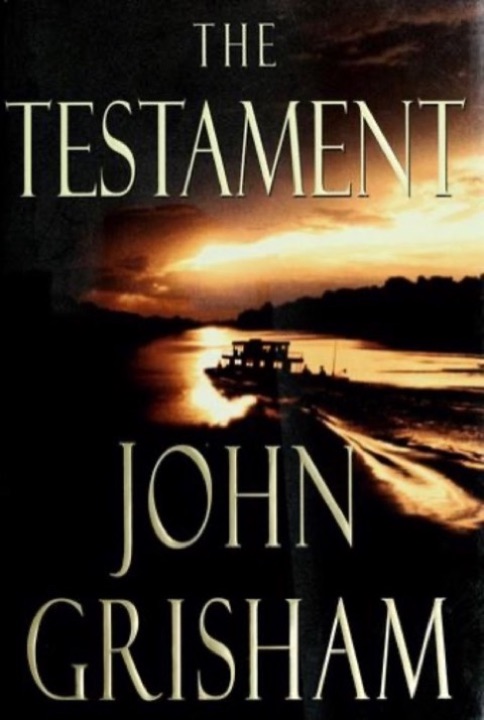
The Testament
To apply the lessons from "The Testament" by John Grisham to your life, consider the following insights and how they align with your personal experiences and values:
-
Redemption and Transformation: - Application: Reflect on your own journey of personal growth and transformation. Like Nate O'Riley, you've faced challenges and emerged stronger. Continue to embrace opportunities for self-improvement and transformation, recognizing that it's never too late to change and grow.
-
The Pursuit of Wealth vs. Inner Peace: - Application: You already prioritize inner peace and fulfillment over material wealth, as seen in your values of kindness and empathy. Continue to focus on what truly matters to you, such as family, personal growth, and making a positive impact on the world.
-
Greed and Materialism: - Application: Stay mindful of the destructive nature of greed and materialism. Your experiences and values suggest that you already prioritize meaningful relationships and experiences over material possessions. Keep nurturing these priorities.
-
Faith and Spirituality: - Application: While you may not adhere to organized religion, you have a strong sense of spirituality and belief in reincarnation. Continue to explore and deepen your spiritual beliefs, finding peace and purpose in your own way.
-
The Complexity of Family Dynamics: - Application: Your close relationship with your family is a testament to the importance you place on family dynamics. Continue to foster these relationships, ensuring open communication and mutual support.
-
The Power of Redemption: - Application: Recognize the power of redemption in your own life and in the lives of others. Offer second chances and support to those around you, understanding that everyone has the capacity for change and growth.
By integrating these lessons into your life, you can continue to live authentically, guided by your core values and beliefs, while remaining open to personal growth and transformation.
What the book covers
It seems there might be a slight confusion in the author's name and the title of the book you're referring to. "The Testament" is a novel by John Grisham, not "John Girshman." I can provide a summary and analysis of "The Testament" by John Grisham.
Summary of "The Testament" by John Grisham
Plot Overview: "The Testament" is a legal thriller that begins with the death of Troy Phelan, an eccentric and reclusive billionaire. Before his death, Phelan surprises everyone by leaving his entire fortune to an illegitimate daughter, Rachel Lane, who is a missionary living in the Brazilian Pantanal. This unexpected decision sets off a legal battle among his other heirs, who were expecting to inherit his wealth.
The story follows Nate O'Riley, a washed-up lawyer who is fresh out of rehab. He is tasked with finding Rachel Lane and delivering the news of her inheritance. Nate's journey takes him deep into the Brazilian jungle, where he faces numerous challenges, including his own personal demons and the harsh realities of the environment.
As Nate searches for Rachel, he undergoes a transformation. The journey becomes a spiritual quest as much as a legal mission. Meanwhile, back in the United States, Phelan's family and their lawyers engage in a fierce legal battle over the will.
Key Characters: - Troy Phelan: The billionaire whose will sparks the central conflict. - Nate O'Riley: The protagonist, a lawyer struggling with addiction and personal issues. - Rachel Lane: Troy's illegitimate daughter, a missionary who is unaware of her inheritance. - Troy's Family: Various ex-wives and children who are contesting the will.
Themes: 1. Redemption and Transformation: Nate's journey is one of personal redemption. His experiences in the jungle and his interactions with Rachel lead him to reevaluate his life and priorities. 2. Greed and Materialism: The novel explores the destructive nature of greed, as seen in the behavior of Troy's family members who are willing to go to great lengths to secure their inheritance. 3. Faith and Spirituality: Rachel's character embodies faith and selflessness, contrasting sharply with the materialistic desires of her family. Her influence on Nate highlights the theme of spiritual awakening.
Key Takeaways and Lessons: - The Pursuit of Wealth vs. Inner Peace: The novel suggests that true fulfillment comes not from material wealth but from inner peace and purpose, as demonstrated by Rachel's life choices and Nate's transformation. - The Power of Redemption: Nate's journey illustrates that it's never too late to change one's life and seek redemption, regardless of past mistakes. - The Complexity of Family Dynamics: The story highlights the complexities and conflicts within families, especially when money is involved, and how these can bring out both the best and worst in people.
Overall, "The Testament" is a gripping tale of adventure, legal intrigue, and personal growth, with a strong moral message about the true value of life beyond material possessions.