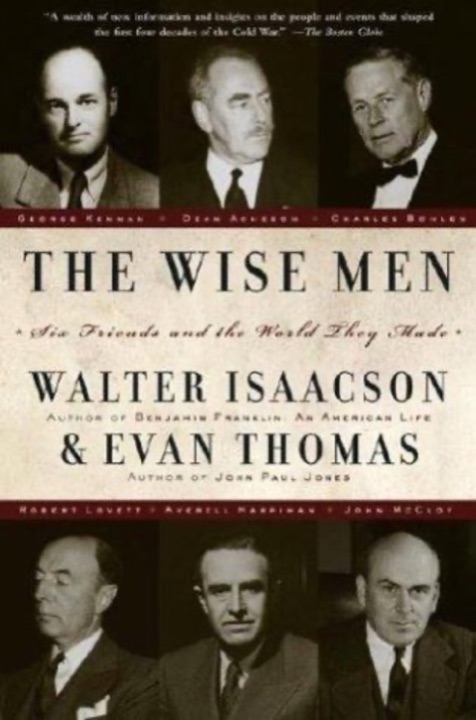
The Wise Men: Six Friends and the World They Made
Applying the lessons from "The Wise Men" by Evan Thomas and Walter Isaacson to your life can be a meaningful way to enhance your personal and professional journey. Here’s how you might integrate some of the key takeaways from the book into your life:
-
Leadership and Vision: - Reflect on your personal and professional goals and ensure you have a clear vision for what you want to achieve. Your resilience and persistence are already strong assets; use them to articulate and pursue your long-term objectives, whether in your career, activism, or personal life.
-
Collaboration and Networking: - Leverage your existing networks and continue to build new relationships. Your involvement in activism and advocacy work can benefit from collaborating with like-minded individuals and organizations. Use your direct and warm communication style to foster meaningful connections.
-
Adaptability and Resilience: - Embrace change and remain flexible in your approaches to challenges. Your experiences with near-death situations and your ability to remain calm under pressure demonstrate your resilience. Apply this adaptability to new opportunities and unexpected situations.
-
Moral and Ethical Considerations: - Continue to let kindness and empathy guide your actions and decisions. As a physician and advocate, you often face ethical dilemmas. Use your strong convictions, loosely held, to navigate these situations while balancing your values with practical considerations.
-
Legacy and Influence: - Consider the impact you want to have on the world and how you can contribute to positive change. Your passion for social issues like equality and your hopes for leveraging technology for the betterment of mankind align with the Wise Men's influence on global politics. Think about how you can leave a lasting legacy through your work and relationships.
-
Personal Growth and Lifelong Learning: - Embrace your mindset of being in a constant state of beta. Continue to seek knowledge and experiences that challenge and inspire you. Your aspiration to live in the moment and your commitment to personal growth can be enriched by learning from the Wise Men's ability to adapt and innovate.
By integrating these lessons into your life, you can continue to make a meaningful impact in your personal and professional endeavors, while staying true to your core values and beliefs.
What the book covers
"The Wise Men: Six Friends and the World They Made" by Evan Thomas and Walter Isaacson is a detailed historical account that explores the lives and careers of six influential American statesmen who played pivotal roles in shaping U.S. foreign policy during and after World War II. The six men profiled in the book are Dean Acheson, Charles Bohlen, W. Averell Harriman, George Kennan, Robert Lovett, and John J. McCloy. These individuals, often referred to as "The Wise Men," were instrumental in the development of key strategies and policies that defined the Cold War era.
Summary:
-
Background and Early Lives: - The book begins by detailing the early lives and backgrounds of the six men, highlighting their education, personal relationships, and early career choices. Many of them came from privileged backgrounds and attended prestigious institutions, which helped them build influential networks.
-
World War II and the Formation of Alliances: - During World War II, these men held various positions in the U.S. government and military, where they gained significant experience in international diplomacy and strategy. Their roles during the war laid the groundwork for their future influence.
-
Post-War Reconstruction and the Marshall Plan: - After the war, they were heavily involved in the reconstruction of Europe. The book details their contributions to the Marshall Plan, which was crucial in rebuilding war-torn Europe and preventing the spread of communism.
-
The Cold War and Containment Strategy: - The authors discuss the development of the containment strategy, primarily attributed to George Kennan, which became the cornerstone of U.S. foreign policy during the Cold War. The book explores how these men navigated the complexities of Soviet-American relations.
-
Influence on U.S. Institutions and Policies: - The Wise Men were instrumental in shaping institutions like the United Nations, NATO, and the World Bank. Their vision and leadership helped establish a new world order based on American values and interests.
-
Personal Dynamics and Decision-Making: - The book delves into the personal relationships and dynamics among the six men, illustrating how their friendships and rivalries influenced their decision-making processes and policy outcomes.
-
Legacy and Impact: - The authors assess the long-term impact of the Wise Men's policies on global politics and the role of the United States as a superpower. They also reflect on the ethical and moral dimensions of their decisions.
Key Takeaways and Lessons:
-
Leadership and Vision: The book highlights the importance of having a clear vision and strong leadership in shaping national and international policies. The Wise Men were able to articulate and implement a coherent strategy for U.S. foreign policy.
-
Collaboration and Networking: The success of the Wise Men was partly due to their ability to collaborate and leverage their extensive networks. Building strong relationships and alliances is crucial in achieving complex goals.
-
Adaptability and Resilience: The ability to adapt to changing circumstances and remain resilient in the face of challenges is a recurring theme. The Wise Men demonstrated flexibility in their approaches to emerging global threats.
-
Moral and Ethical Considerations: The book encourages readers to consider the moral and ethical implications of policy decisions. The Wise Men often faced difficult choices that required balancing national interests with ethical considerations.
-
Legacy and Influence: The enduring influence of the Wise Men on U.S. foreign policy underscores the lasting impact that a small group of dedicated individuals can have on the world stage.
Overall, "The Wise Men" provides a comprehensive look at a critical period in history and offers valuable insights into the art of diplomacy and statecraft.