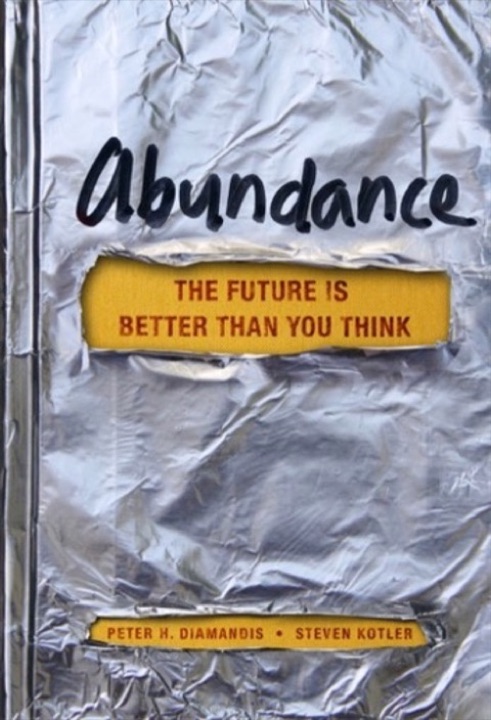
Abundance: The Future Is Better Than You Think
Applying the lessons from "Abundance: The Future Is Better Than You Think" by Peter Diamandis and Steven Kotler to your life can be a transformative experience, especially given your background, values, and aspirations. Here are some ways you might integrate the book's principles into your life:
-
Embrace Optimism and Technological Progress: - Given your interest in leveraging technology for the betterment of mankind, you can actively seek out and support technological innovations that align with your values, such as those addressing inequality, disease eradication, and hunger. - Stay informed about emerging technologies and consider how they might be applied to your work in medicine or your advocacy efforts.
-
Foster Collaboration and Innovation: - Use your network and influence to bring together like-minded individuals who are passionate about solving global challenges. This could involve organizing or participating in think tanks, workshops, or conferences focused on innovation. - Encourage and mentor DIY innovators, especially in fields related to your interests, such as healthcare or social equality.
-
Utilize Incentives for Positive Change: - Consider supporting or creating incentive prizes or philanthropic initiatives that encourage breakthroughs in areas you care about, such as medical advancements or social justice. - Leverage your resources and connections to amplify the impact of these initiatives.
-
Focus on Solutions and Resilience: - Continue to apply your resilience and problem-solving skills to overcome challenges in your personal and professional life. Use setbacks as opportunities for growth and learning. - Maintain your optimistic outlook and focus on actionable solutions rather than dwelling on problems.
-
Promote Empowerment Through Technology: - Advocate for the democratization of technology, ensuring that more people have access to the tools and information needed to innovate and solve problems. - Support educational initiatives that teach others how to harness technology for positive change.
-
Live in the Moment and Pursue Personal Growth: - Work on your aspiration to live in the moment by practicing mindfulness and being present in your daily activities. This aligns with the book's message of embracing the potential for positive change. - Continue your journey as a lifelong learner, staying curious and open to new ideas and experiences.
-
Balance Personal and Global Goals: - While you focus on global issues, remember to balance these efforts with your personal goals and values, such as spending time with family and pursuing hobbies like flying and cooking. - Use your personal experiences and achievements, like your resilience and humor, to inspire others and contribute to a more abundant future.
By integrating these lessons into your life, you can contribute to creating a world of abundance while staying true to your core values and aspirations.
What the book covers
"Abundance: The Future Is Better Than You Think" by Peter H. Diamandis and Steven Kotler is a compelling exploration of how technological innovation and human ingenuity are poised to solve many of the world's greatest challenges. The authors argue that despite the prevalent pessimism about the future, we are on the brink of a period of unprecedented progress and abundance.
Summary:
Introduction:
The book begins by addressing the pervasive pessimism about the future, fueled by media and cognitive biases that focus on negative news. Diamandis and Kotler argue that this perspective overlooks the rapid technological advancements and the potential for positive change.
The Concept of Abundance:
The authors introduce the concept of abundance, which is the idea that technology can significantly increase the availability of resources and improve the quality of life for everyone. They argue that we are moving from a world of scarcity to one of abundance, where basic needs such as water, food, and energy can be met for all.
Exponential Technologies:
A significant portion of the book is dedicated to discussing exponential technologies, which are technologies that improve at an accelerating rate. These include:
- Computing Power: The exponential growth of computing power, as described by Moore's Law, is a driving force behind many technological advancements.
- Artificial Intelligence: AI is transforming industries and has the potential to solve complex problems in areas like healthcare and education.
- Robotics: Advances in robotics are leading to increased productivity and the potential to perform tasks that are dangerous or difficult for humans.
- Biotechnology: Innovations in biotech are leading to breakthroughs in medicine and agriculture.
- Nanotechnology: This field is enabling the creation of new materials and devices with a wide range of applications.
The Role of Innovators:
The book highlights the role of innovators and entrepreneurs in driving technological progress. It discusses how individuals and small teams, empowered by technology, can tackle global challenges and create solutions that were previously unimaginable.
The Power of DIY Innovators:
Diamandis and Kotler emphasize the rise of the DIY (Do-It-Yourself) innovator, facilitated by access to information and tools that were once restricted to large organizations. This democratization of innovation is accelerating progress and enabling more people to contribute to solving global problems.
The Role of Philanthropy and Incentive Prizes:
The authors discuss the importance of philanthropy and incentive prizes in fostering innovation. They highlight examples like the XPRIZE, which incentivizes breakthroughs by offering substantial rewards for solving specific challenges.
The Importance of Collaboration:
Collaboration is identified as a key factor in achieving abundance. The book discusses how networks and platforms enable collaboration on a global scale, allowing people to share ideas and resources to tackle complex issues.
Key Takeaways and Lessons:
-
Optimism About the Future: Despite current challenges, there is reason to be optimistic about the future due to rapid technological advancements.
-
Exponential Growth: Understanding the nature of exponential growth is crucial, as it underpins many of the technological changes that are transforming society.
-
Empowerment Through Technology: Technology is empowering individuals and small teams to innovate and solve problems that were once the domain of large organizations.
-
Collaboration is Key: Global collaboration and the sharing of ideas and resources are essential for addressing complex global challenges.
-
The Role of Incentives: Incentive prizes and philanthropic efforts can play a significant role in driving innovation and solving pressing problems.
-
Focus on Solutions: While it is important to acknowledge challenges, focusing on solutions and the potential for positive change is crucial for progress.
In conclusion, "Abundance: The Future Is Better Than You Think" presents a hopeful vision of the future, driven by technological innovation and human creativity. The authors encourage readers to embrace optimism and actively participate in creating a world of abundance.